
Pelvic Stabilization Physical Therapy Exercises: Strength, Support, and Pain Relief
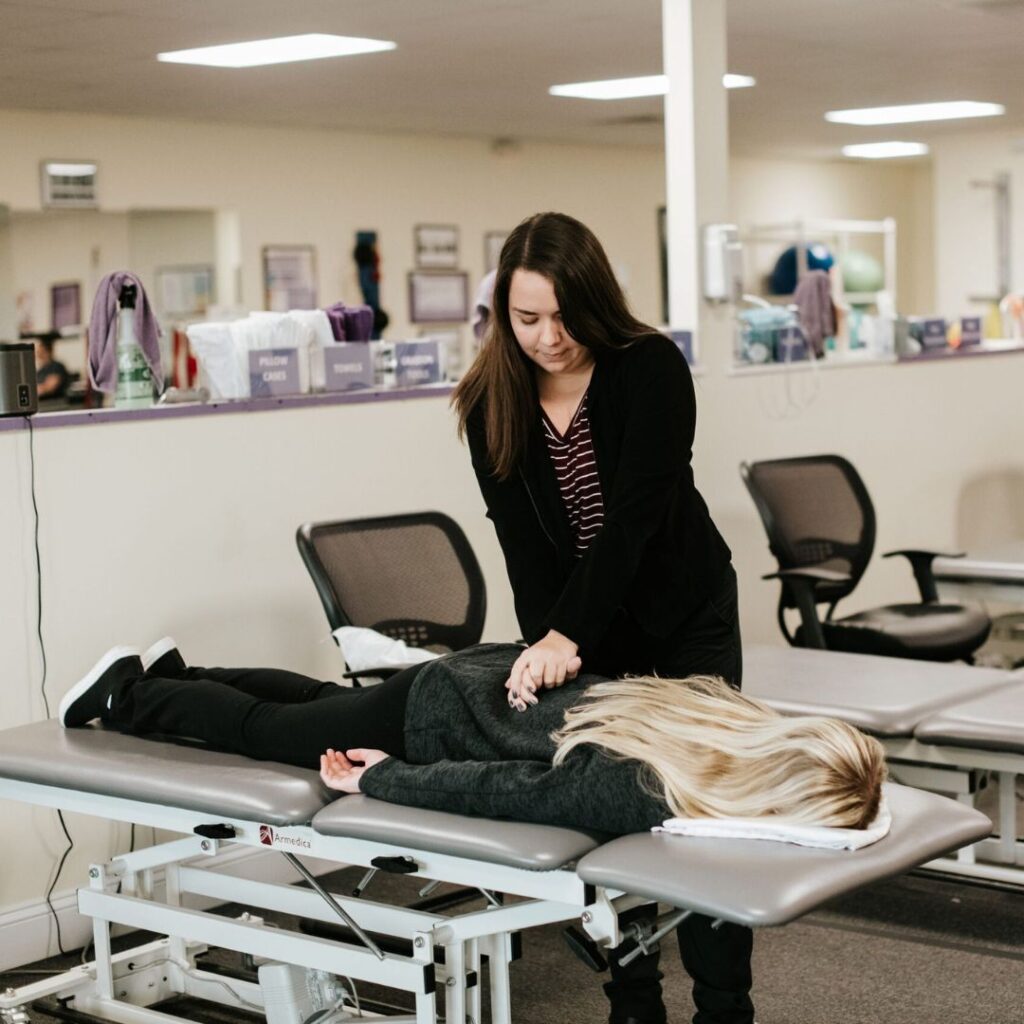
Pelvic stabilization physical therapy exercises are an important part of overall musculoskeletal health, especially for people struggling with pain, instability, or discomfort in the lower back, pelvis, or core. When the muscles that support the pelvis are not functioning the way they should, it can affect everyday movement, make simple activities more challenging, and even contribute to chronic pain or imbalance.
At Core 3 Physical Therapy, we believe in a patient-centered approach that focuses on understanding your unique story, addressing the root causes of your symptoms, and guiding you toward meaningful relief. In this friendly, supportive space, we help people of all ages and life stages — from postpartum recovery to post-surgical care, and everything in between — through compassionate, individualized care rooted in evidence and expertise.
What Are Pelvic Stabilization Physical Therapy Exercises?
Pelvic stabilization physical therapy exercises are designed to help the muscles around the pelvis, hips, core, and lower back work together more effectively. Rather than focusing on one muscle group in isolation, these exercises address how the body moves as a whole, creating better support and control for everyday activities.
When the pelvis lacks proper stability, other areas of the body often compensate. This can lead to discomfort, inefficient movement, and recurring pain. Pelvic stabilization physical therapy exercises aim to improve balance, coordination, and muscular support so the pelvis can do its job without placing extra stress on surrounding joints and tissues.
In physical therapy, pelvic stabilization is always approached with care and intention. A licensed physical therapist evaluates posture, movement patterns, muscle activation, and individual symptoms before developing a treatment plan. This ensures that pelvic stabilization exercises are appropriate for each person’s needs and are progressed safely over time.
These exercises are commonly integrated into broader treatment plans that may include pelvic floor physical therapy, especially when symptoms involve pelvic pain, core weakness, or post-surgical recovery. At Core 3 Physical Therapy, this approach allows therapists to address not just where symptoms are felt, but why they are happening in the first place.
Most importantly, pelvic stabilization physical therapy exercises are not about quick fixes or generic routines. They are part of a guided, personalized process that supports long-term strength, movement confidence, and pain relief.
Symptoms That May Require Pelvic Stabilization Physical Therapy Exercises
When the pelvis is not properly supported during movement, the body often sends warning signs. You need pelvic floor therapy for these symptoms, which can develop gradually or appear after injury, surgery, or life changes such as pregnancy. Pelvic stabilization physical therapy exercises may be recommended when symptoms begin to interfere with comfort, mobility, or daily activities.
Persistent Low Back or Hip Pain
Ongoing pain in the lower back or hips is often linked to how the pelvis moves and stabilizes during everyday tasks. When pelvic support is lacking, surrounding muscles and joints may work harder than they should, leading to strain and discomfort over time.
Pelvic Pain or Pressure
Pelvic pain, heaviness, or a feeling of pressure can be unsettling and disruptive. These symptoms may be connected to coordination issues within the pelvic region and can benefit from a physical therapy approach that focuses on stability and controlled movement.
Core Weakness or Instability
Feeling unsteady, weak, or unable to maintain good posture may be a sign that the deep core and pelvic muscles are not working together efficiently. Improving pelvic support can help restore confidence and control during movement.
Pain During Walking, Standing, or Exercise
Pain that shows up during daily activities or physical exercise often points to movement patterns that place stress on the pelvis. Addressing pelvic stability can help reduce discomfort and improve how the body responds to movement.
Postpartum or Post-Surgical Discomfort
After childbirth or surgery involving the pelvis or abdomen, the body may need extra support to regain strength and coordination. Pelvic stabilization physical therapy exercises can be an important part of recovery, helping individuals return to activity safely and comfortably.
Conditions That Can Be Treated with Pelvic Stabilization Exercises
Pelvic stabilization exercises are commonly used in physical therapy to address a wide range of conditions that affect comfort, movement, and daily function. Because the pelvis plays a central role in supporting the spine, hips, and core, improving stability can have a meaningful impact on how the entire body moves and feels.
Treatment is always personalized, with exercises selected based on a thorough evaluation and the individual’s specific goals.
Pelvic Floor Dysfunction
Pelvic floor dysfunction can involve pain, weakness, or difficulty coordinating the muscles that support the bladder, bowel, and pelvis. Pelvic stabilization exercises are often combined with pelvic floor physical therapy to improve muscle coordination and overall support, rather than focusing on isolated strengthening alone.
SI Joint Dysfunction
The sacroiliac (SI) joint connects the pelvis to the spine and can become irritated when stability is lacking. Improving pelvic control through targeted stabilization can help reduce stress on the SI joint and support more comfortable movement.
Chronic Low Back Pain
Ongoing low back pain is frequently connected to how the pelvis and core work together. Pelvic stabilization exercises can help address underlying movement patterns that contribute to repeated strain and discomfort.
Hip Instability
When the hips lack proper support, the pelvis may compensate, leading to imbalance and pain. Physical therapy can focus on improving pelvic and hip stability together, helping the body move more efficiently.
Post-Prostatectomy or Postpartum Recovery
Surgical procedures and childbirth can affect pelvic support and muscle coordination. Pelvic stabilization exercises are often part of a guided recovery plan to help individuals regain strength, control, and confidence in their movement.
Sports-Related Pelvic or Core Instability
Athletes place high demands on the pelvis during running, jumping, and directional changes. Pelvic stabilization exercises can support safer movement patterns, reduce injury risk, and improve performance during sport and exercise.
Types of Pelvic Stabilization Physical Therapy Exercises
Pelvic stabilization physical therapy exercises are selected based on a person’s symptoms, diagnosis, and movement patterns. Rather than following a standard routine, physical therapists choose specific exercise categories that support the pelvis in a safe, effective, and individualized way. The goal is always to improve how the body moves as a whole, not to focus on isolated muscles.
Below are common types of pelvic stabilization physical therapy exercises that may be used as part of a comprehensive treatment plan.
Core Stabilization Exercises
Core stabilization exercises focus on improving coordination between the deep abdominal muscles, spine, and pelvis. In physical therapy, these exercises help create a stable foundation for movement, allowing the pelvis to remain supported during daily activities. Improving core control can reduce unnecessary strain on the lower back and surrounding joints.
Pelvic Floor Muscle Coordination Exercises
Used as part of pelvic floor physical therapy, these exercises emphasize how the pelvic floor muscles activate and relax during movement. Rather than focusing only on strength, physical therapy prioritizes timing, control, and coordination to support pelvic stability and overall function.
Hip and Gluteal Stabilization Exercises
The hips and gluteal muscles play an important role in maintaining pelvic alignment. Pelvic stabilization exercises may include strategies that improve control and support in these areas, helping reduce compensatory movement patterns that contribute to discomfort in the pelvis or lower back.
Neuromuscular Re-Education Exercises
Neuromuscular re-education focuses on retraining how muscles communicate and work together. These exercises are commonly used when pelvic instability is related to injury, surgery, or chronic pain. The goal is to restore efficient movement patterns and improve the body’s ability to respond to everyday demands.
Functional Movement Stabilization Exercises
Functional movement stabilization addresses how the pelvis behaves during real-life activities such as walking, standing, lifting, or sports-related movements. These exercises are carefully selected and progressed by a physical therapist to support safe, confident movement based on each individual’s needs.
The specific pelvic stabilization physical therapy exercises used vary based on each patient’s symptoms, diagnosis, and evaluation by a licensed physical therapist.
Find a Pelvic Floor Physical Therapy Clinic Near You
When looking for care related to pelvic health, it’s important to choose a clinic that offers more than generalized treatment. Pelvic conditions often require a deeper understanding of how the pelvis, core, hips, and pelvic floor work together. A clinic with a strong professional background in women’s health and pelvic floor physical therapy can provide the specialized care needed for safe and effective outcomes.
At Core 3 Physical Therapy, patients are treated by licensed healthcare professionals who take a thoughtful, whole-body approach to care. Our therapists understand that pelvic stabilization physical therapy exercises must be tailored to each individual, taking into account symptoms, lifestyle, and personal goals. Care is never rushed or generic — it is guided by clinical expertise and genuine attention to patient needs.
Another important advantage at Core 3 Physical Therapy is that our therapists are Direct Access Certified. This means you can begin physical therapy without a physician referral when appropriate, allowing you to start care sooner and take an active role in your recovery.
Core 3 Physical Therapy Locations
CORE 3 Hatfield
1691 Bethlehem Pike Hatfield, PA 19440
CORE 3 East Norriton
325 W. Germantown Pike, Suite 105 East Norriton, PA 19403
CORE 3 Chalfont
100 Stewart Lane Chalfont, PA 18914
CORE 3 Limerick
536 N. Lewis Rd Limerick, PA 19468
CORE 3 Warrington
865 Easton Road, Suite 190 Warrington, PA 18976
With multiple locations, Core 3 Physical Therapy makes it easier to find professional, compassionate pelvic floor physical therapy close to home.
Pelvic stabilization physical therapy exercises play an important role in supporting how the body moves, feels, and functions. When the pelvis is not properly supported, it can affect comfort, balance, and confidence during everyday activities. Addressing pelvic stability through guided physical therapy can help reduce pain, improve movement, and support long-term physical health.
Because pelvic concerns are often influenced by multiple factors, care should never be one-size-fits-all. Working with a licensed physical therapist ensures that pelvic stabilization exercises are selected and progressed based on your individual needs, symptoms, and goals. When appropriate, pelvic floor physical therapy may also be incorporated to address coordination and support throughout the pelvic region.
At Core 3 Physical Therapy, patients receive thoughtful, individualized care from healthcare professionals with experience in pelvic health and women’s health. With Direct Access Certified therapists and multiple convenient locations, Core 3 makes it easier to begin care and feel supported every step of the way.
If you are experiencing pelvic discomfort, instability, or changes in movement that affect your daily life, a professional evaluation can provide clarity and guidance. With the right support, it is possible to move with greater strength, stability, and confidence.

Hatfield
1691 Bethlehem Pike
Hatfield, PA 19440
Phone: 267-308-5330
Fax: 267-308-5331
Chalfont
100 Stewart Ln,
Chalfont, PA 18914
Phone: 215-789-6543
Fax: 215-789-6544
East Norriton
325 West Germantown Pike, Suite 105
East Norriton, PA, 19403
Phone: 267-534-7614
Fax: 267-534-7615
Limerick
536 North Lewis Rd
Limerick, PA, 19468
Phone: 484-938-5403
Fax: 484-938-5164