
Pelvic Health
CORE 3 Physical Therapy:
Leading the way in Pelvic Health

Pelvic Health. It’s more than incontinence. More than simply providing a service. To get the best care possible, you need dedicated, certified professionals who are committed to providing you with the knowledge and confidence you deserve. At CORE 3 Physical Therapy our therapists are certified according to the highest standards in the industry. You are in the hands of a healthcare professional who has spent countless hours earning specializations, attending credentialing programs, and has dedicated their lives to your care. We value your privacy, which is why your care takes place in a secluded room to allow for a more comfortable and confidential setting. Privacy, comfort, and confidentiality are the cornerstones of our approach.
What does a pelvic floor examination/treatment consist of?
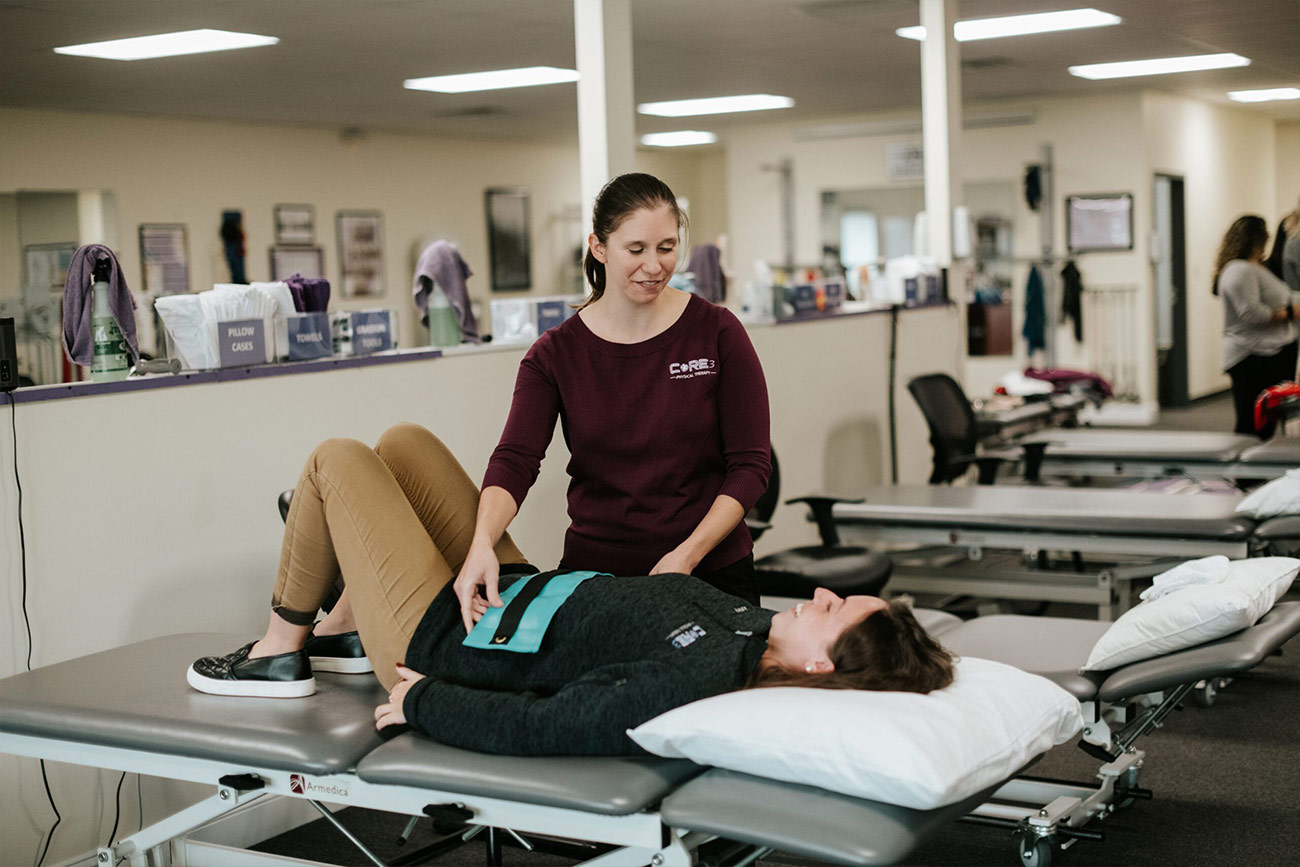
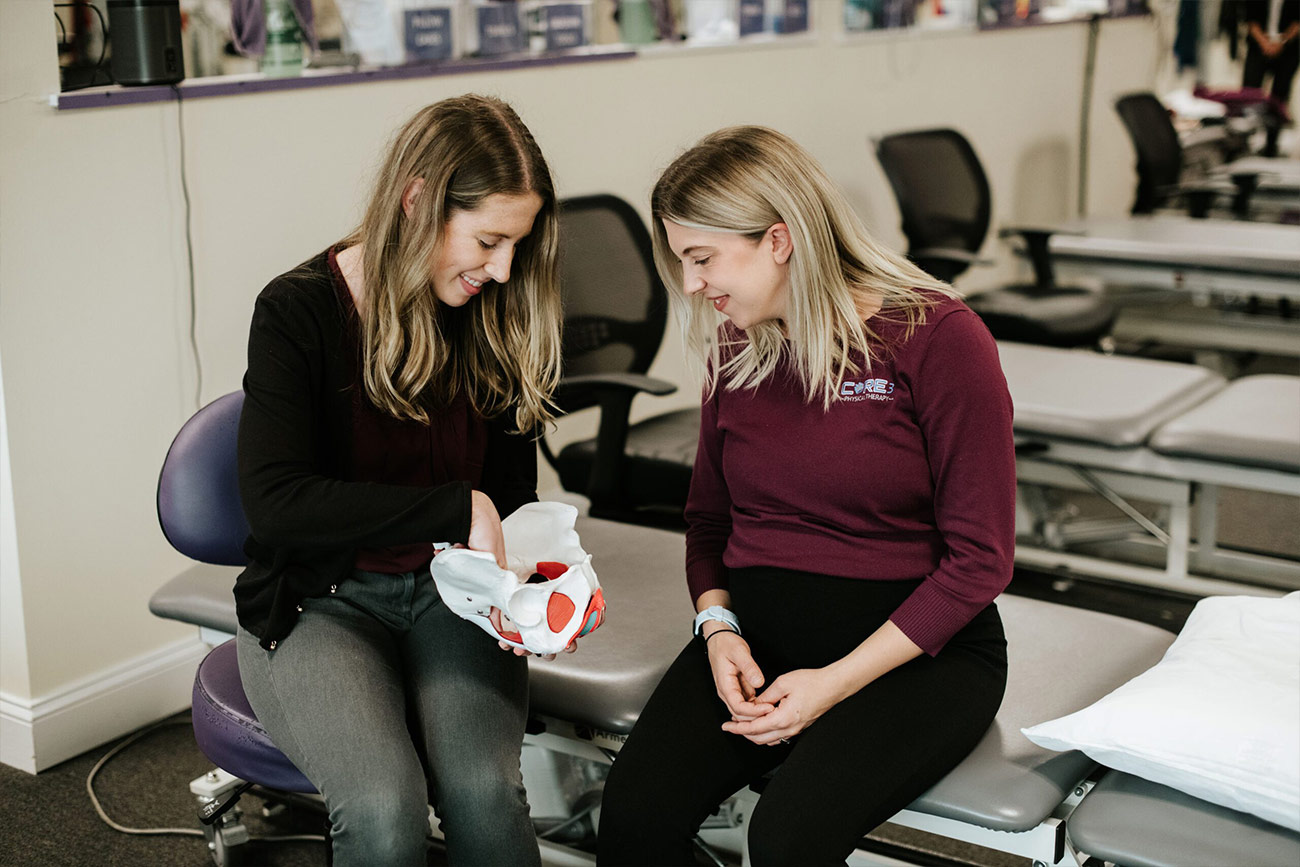
You may be surprised to learn that often a pelvic floor exam and treatment begins with your spine. The pelvic floor is not an island and our approach is more whole body focused. There are multiple nerves exiting various regions of the spine that provide communication to your bladder, bowel, uterus, pelvic floor muscles, and pudendal nerve that can be affected by poor back mobility. After countless courses and patients, at CORE 3 PT we have developed a unique technique to evaluate your spine to see if it could be a contributing factor to your pelvic symptoms. In some cases, it can be also beneficial to directly assess the pelvic floor muscles as well, which involves an internal muscle exam. This differs from the exam most women are accustomed to at their gynecological visits; we do not use a speculum, and we focus on the evaluation of muscle strength and integrity. Exam and treatment options are presented to patients in a way that allows them to learn the benefits to each approach and choose what best fits their comfort level.
Our pelvic health program provides
quality care for the following conditions:
- Lower back and joint pain
- SI dysfunction
- Painful urination
- Pudendal neuralgia
- Pre and post pregnancy related symptoms
- Post-bladder and urethral surgeries
- Post Prostatectomy surgery
- Pelvic organ prolapse
- Vulvodynia
- Urinary leakage with activity
- Pelvic and coccyx pain
- Vaginal Pain
- Interstitial cystitis
- Painful Intercourse
- Bowel dysfunctions including constipation and diarrhea
- Bedwetting/accidents
- …and more!

Your Pelvic Health Specialists:

Danielle Slater
Owner
PT, MPT, GCS, PRPC, WCS, Cert. MDT

Tanya Morris
PT, DPT, PCES

Kirsten Freeman
PT, DPT, PRPC

Lauren Olsen
PT, DPT, PRPC

Emily Mangold
PT, DPT

Jackie Robertson
PT, DPT

Emily Hegyi
PT, DPT



Pelvic Floor Physical Therapy FAQs: What to Expect, Benefits & Recovery
If you’re experiencing symptoms like urinary leakage, pelvic pain, pressure, pain during intimacy, or difficulty returning to exercise after pregnancy, pelvic floor therapy may help. Many people assume these issues are “normal,” especially after childbirth, but they are often treatable. You may also benefit if you’ve had abdominal surgery, including a C-section, or struggle with core weakness. A pelvic floor physical therapist can evaluate your symptoms and create a personalized plan to restore strength, coordination, and function so you can feel confident in your body again.
Pelvic floor physical therapy is typically not painful. Most treatments are gentle, personalized, and designed to work within your comfort level. Some techniques may feel unfamiliar, especially if addressing tight or sensitive muscles, but your therapist will always communicate clearly and adjust based on your feedback. At Core3, patient comfort and trust are a priority. The goal is to reduce pain—not cause it—while helping your body heal. Many patients actually feel relief and improved mobility after just a few sessions.
A weak pelvic floor can cause a variety of symptoms that affect daily activities and overall comfort. Common signs include:
- Urinary leakage when coughing, sneezing, or exercising
- A feeling of heaviness or pressure in the pelvic area
- Difficulty controlling bowel movements
- Decreased core strength or stability
- Discomfort during physical activity
For many women, these symptoms develop during or after pregnancy, but they can affect anyone. The good news is that a weak pelvic floor is treatable. With targeted pelvic floor physical therapy, you can strengthen these muscles, improve coordination, and regain confidence in your body.
Yes, many women benefit from pelvic floor therapy after a C-section. While delivery is surgical, pregnancy itself places significant strain on the pelvic floor and core muscles. Additionally, C-sections can lead to scar tissue, abdominal weakness, and changes in posture or movement patterns. Pelvic floor therapy helps address these issues by improving strength, mobility, and coordination. It can also support better healing and reduce long-term discomfort. Starting therapy can be an important step in safely returning to exercise and daily activities.
Pelvic floor physical therapy can treat a wide range of conditions affecting the bladder, bowel, and core. Common conditions include:
- Urinary incontinence (leakage when coughing, sneezing, or exercising)
- Bowel incontinence or constipation
- Pelvic pain or pressure
- Pelvic organ prolapse
- Pain during pregnancy or postpartum recovery
- Discomfort during intimacy
- Core weakness or abdominal separation (diastasis recti)
- Lower back or hip pain related to pelvic dysfunction
- Issues related to abdominal surgery or scar tissue
Treatment focuses on improving muscle strength, coordination, and relaxation. By addressing the root cause of symptoms, pelvic floor therapy helps restore function and improve overall quality of life in a safe, supportive environment.
Many women can begin pelvic floor therapy as early as a few weeks after childbirth, depending on their recovery and provider recommendations. Early intervention can help address common postpartum concerns like core weakness, pelvic pain, or bladder control issues before they become long-term problems. Even if it’s been months or years since delivery, it’s never too late to benefit from therapy. A pelvic floor specialist will assess your individual needs and guide you through a safe, gradual recovery process tailored to your body.
Yes, men can absolutely benefit from pelvic floor physical therapy. While often associated with women’s health, pelvic therapy can help men with issues such as urinary incontinence, pelvic pain, post-prostate surgery recovery, and core dysfunction. Treatment focuses on improving muscle coordination, strength, and relaxation to reduce symptoms and restore function. Including this service highlights a comprehensive approach to pelvic health, ensuring that both men and women have access to specialized care when needed.
In many cases, you do not need a referral to start pelvic floor physical therapy. Direct access allows you to schedule an evaluation and begin treatment without waiting for a physician’s referral, helping you address symptoms sooner. However, insurance requirements can vary, so it’s always a good idea to check your specific plan. At Core3, the team can help guide you through the process and answer any questions about getting started, making it easier to access the care you need.
Wear comfortable, loose-fitting clothing that allows you to move easily, such as athletic wear or soft, stretchy fabrics. Depending on your treatment plan, your therapist may assess posture, movement, or muscle function, so clothing that supports mobility is ideal. You’ll always be covered appropriately, and your therapist will explain each step to ensure you feel comfortable. The focus is on creating a relaxed, supportive environment where you can fully participate in your care and recovery.
The timeline for results varies depending on your condition, symptoms, and consistency with treatment. Some patients notice improvements within a few sessions, while others may require several weeks of therapy to achieve lasting results. Your therapist will create a personalized plan and adjust it as you progress. Factors like adherence to home exercises and the severity of symptoms can influence recovery speed. The goal is steady, long-term improvement that helps you return to daily activities with confidence and without discomfort.