Vestibular Therapy

1 in 4 individuals over the age of 65 in the United States fall each year and about 40% of individuals in the United States will experience dizziness or vertigo at some point in their lifetime. Falls are the leading cause of fatal injury and the most common cause of nonfatal trauma-related hospital admissions among older adults. Don’t let vertigo or unsteadiness lead to further injury. You can trust the vestibular therapy experts at CORE 3 to improve your vertigo, dizziness and to improve your balance. An individually tailored exercise program designed by an expert physical therapist has been shown to reduce the risk of falls in patients by at least 50%.


All of our therapists are qualified to assist patients with a history of falls or who are at risk of future falls. Our vestibular therapists incorporate a multimodal approach to treat patients with vestibular condition and decreased balance.

Our vestibular certified specialists can treat the following conditions:


  • Vertigo and dizziness
  • Concussions
  • Headaches, neck, ear and jaw pain
  • BPPV or Benign paroxysmal positional vertigo
  • Vestibular Hypofunction
  • Vestibular Neuritis
  • Vestibular Migraines
  • Ménière’s Disease
  • Central Vestibular Dysfunctions
  • Difficulty visually tracking and focusing on objects
  • Discomfort with busy visual environments
  • Decreased balance and falls
  • And more!
vestibular therapy
vestibular therapy core 3 pt

Vestibular Therapy includes:


  • Habituation exercises
  • Gaze stabilization exercises
  • Balance training using both static and dynamic balance exercises
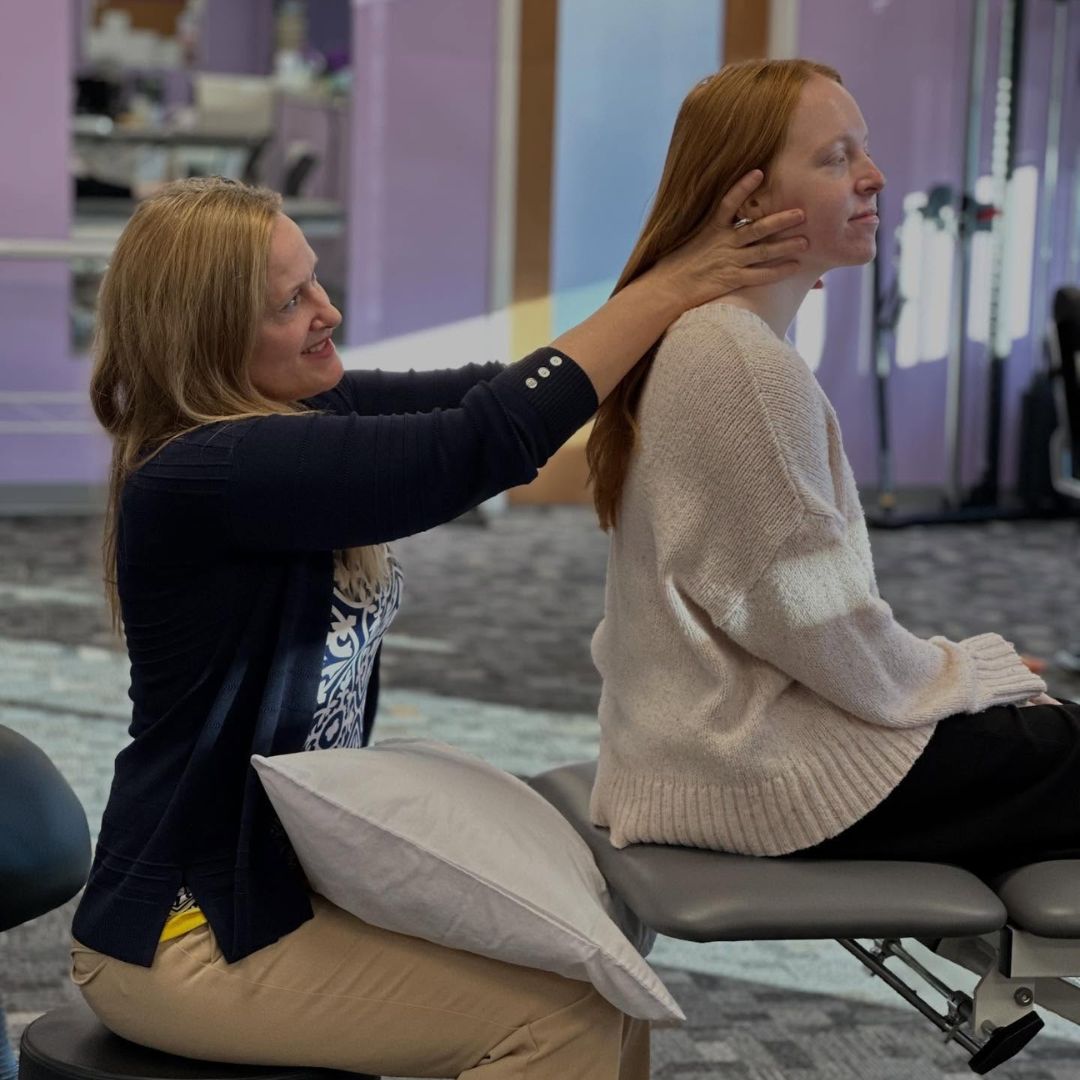
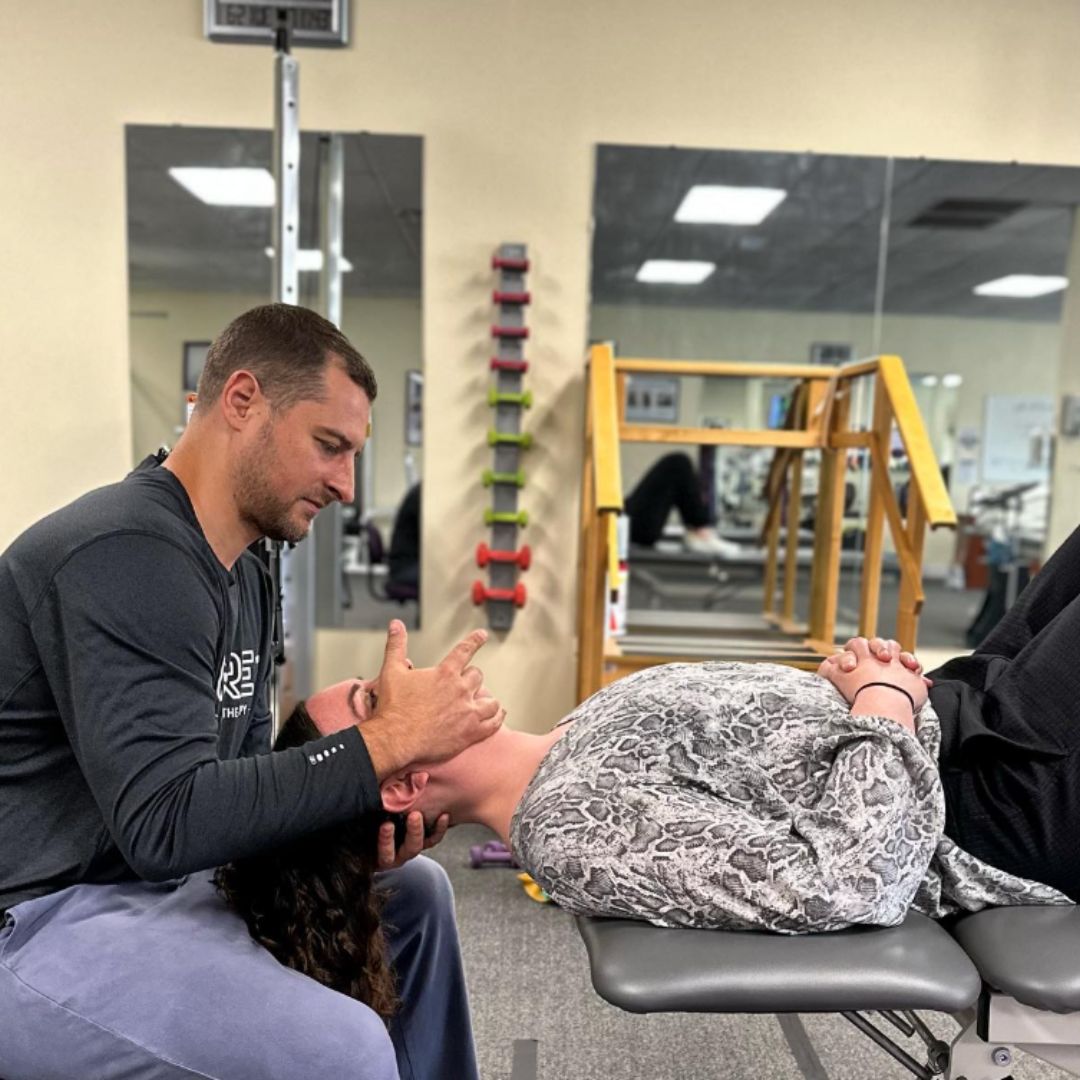
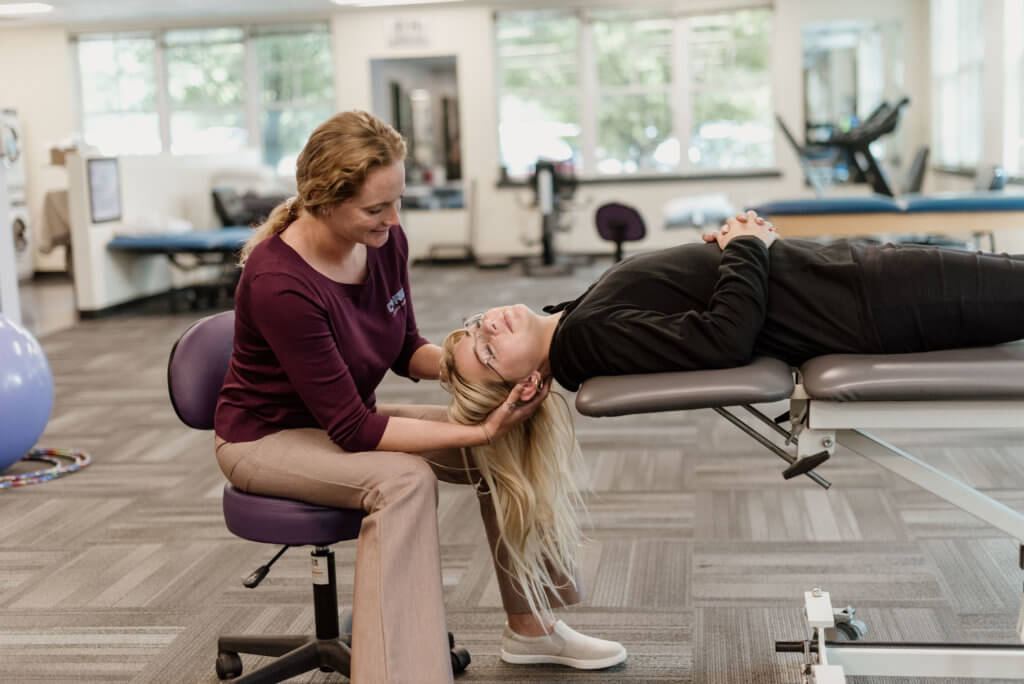
  • Canalith Repositioning Maneuvers including the Epley’s maneuver
  • Vestibular Ocular Reflex Training
  • Functional activity training
  • Neck Range of Motion and Strengthening Exercises
  • Lower Extremity and Core Strengthening Exercises

Where to Find Vestibular Therapy Near You

FAQs About Vestibular Therapy

What symptoms can vestibular therapy help with?

Common symptoms include dizziness, vertigo, feeling off-balance, motion sensitivity, blurry vision with movement, and “floating” or lightheaded sensations.

What conditions do you treat with vestibular therapy?

Vestibular therapy can help with BPPV (positional vertigo), vestibular neuritis/labyrinthitis, balance disorders, persistent dizziness, and post-concussion vestibular issues (when appropriate).

If I have BPPV, can it be treated quickly?

Often, yes. BPPV can sometimes improve in 1–3 visits with repositioning maneuvers, though recovery varies depending on the type and how long symptoms have been present.

Do I need a referral for vestibular therapy?

Core 3 PT is an outpatient physical therapy clinic. In Pennsylvania, many patients can start outpatient physical therapy through direct access without a referral. Insurance requirements vary, so coverage should be confirmed before your first visit.

How many visits does vestibular therapy usually take?

It depends on the diagnosis, symptom severity, and how long you’ve had symptoms. Some people improve in a few visits; others need several weeks of guided progression.

When should I seek medical care first?

If dizziness is paired with chest pain, fainting, sudden severe headache, facial droop, slurred speech, weakness/numbness, or new vision changes—seek emergency care right away. If symptoms are new and intense, a medical evaluation is also a smart first step.

Do you offer vestibular therapy in Bucks and Montgomery County?

Yes. Vestibular therapy is available through Core 3 PT and serves patients across Bucks County and Montgomery County. We have clinics in Hatfield, Chalfont, Limerick, East Norriton and Warrington, all designed to give you the same level of quality vestibular therapy.

What does a vestibular physical therapist do?

A vestibular physical therapist specializes in evaluating and treating dizziness, vertigo, balance problems, and inner ear disorders. During your visit, they assess how your eyes, inner ear, and brain work together to control balance and movement. Based on your symptoms, they create a personalized treatment plan that may include specific head and eye exercises, balance training, and repositioning maneuvers for conditions like BPPV. The goal is to reduce dizziness, improve stability, and help you safely return to your normal daily activities with greater confidence.

How do you know if you have vestibular dysfunction?

Vestibular dysfunction often presents as dizziness, vertigo (a spinning sensation), imbalance, or difficulty focusing your vision when moving your head. You may also feel unsteady while walking, experience motion sensitivity, or have nausea related to movement. These symptoms can range from mild to severe and may interfere with daily activities. If you notice persistent dizziness or balance issues, it’s important to get evaluated by a healthcare professional. A vestibular physical therapist can help determine the cause and recommend the right treatment to improve your symptoms.

How long does vestibular physical therapy take to work?

The timeline for vestibular physical therapy varies depending on the condition and its severity. Some issues, like BPPV, can often be resolved in just one or two visits with specific repositioning maneuvers. Other conditions, such as chronic dizziness or balance disorders, may take several weeks of consistent therapy to see significant improvement. Most patients begin to notice progress within a few sessions. Following your home exercise program and attending scheduled visits are key to achieving the best results as quickly as possible.

Explore Our Vestibular Therapy Resources

Scroll to Top