
How Vestibular Ocular Reflex Training Helps Dizziness
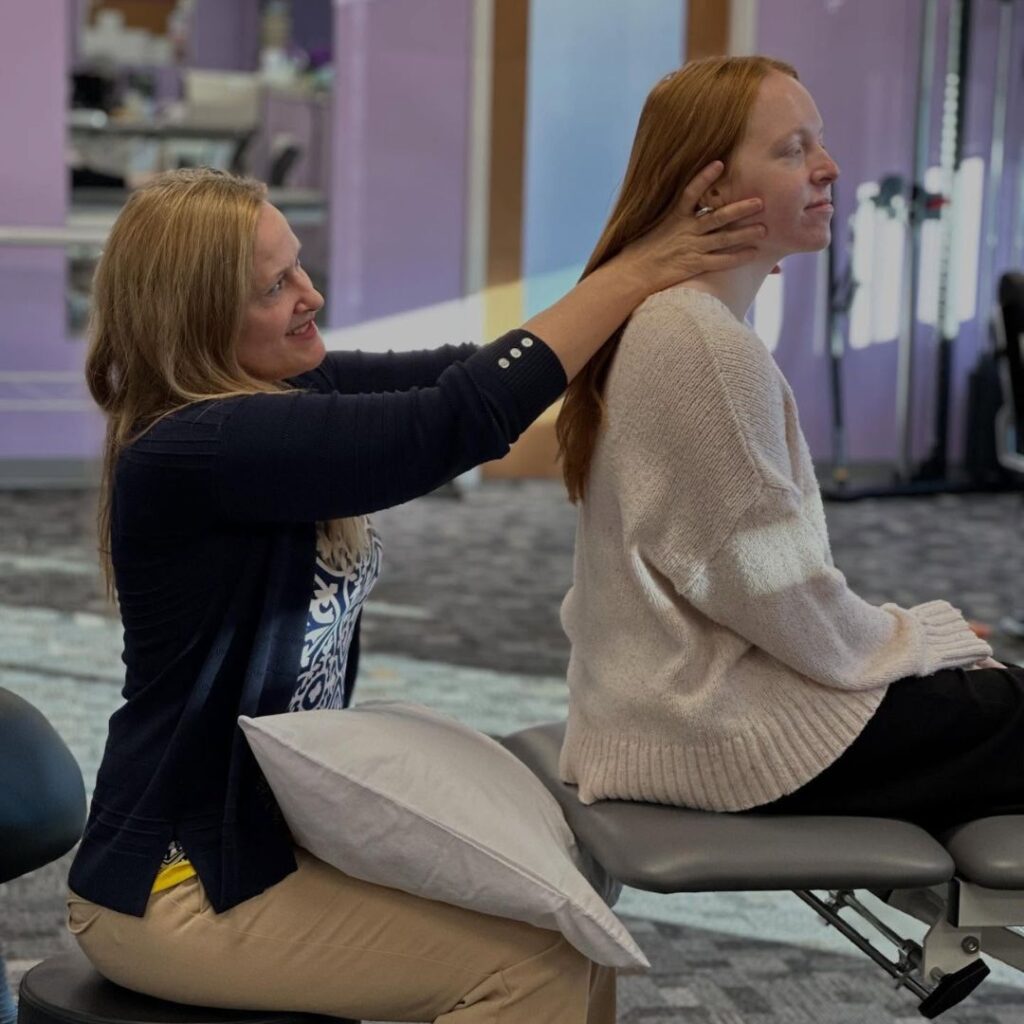
Dizziness can make even simple daily activities feel challenging. Turning your head while walking, looking up at a shelf, or moving quickly from one position to another can sometimes cause the world to feel unsteady or out of focus. For many people experiencing these symptoms, the underlying issue is related to the vestibular system—the part of the inner ear and brain that helps control balance and stabilize vision. Understanding how vestibular ocular reflex training helps dizziness can be an important step toward finding effective treatment and regaining confidence in your movement.
The vestibular system works closely with your eyes and brain to keep your vision stable when your head moves. One of the most important mechanisms involved in this process is called the vestibular ocular reflex (VOR). When this reflex is functioning properly, it allows your eyes to automatically adjust when your head moves so that objects remain clear and steady. However, when the system becomes disrupted due to injury, illness, or other vestibular conditions, people may experience dizziness, blurred vision, or difficulty maintaining balance.
What Is the Vestibular Ocular Reflex?
The vestibular ocular reflex (VOR) is a natural reflex in the body that helps keep your vision stable when your head moves. It connects the inner ear, eyes, and brain so they can work together to maintain clear vision and proper balance. For example, when you turn your head to the side while focusing on an object, the vestibular ocular reflex automatically moves your eyes in the opposite direction. This quick adjustment keeps the object you are looking at from appearing blurry or jumping out of focus.
When the vestibular system is functioning properly, this reflex happens automatically and without effort. However, if the inner ear or the communication between the brain and eyes becomes disrupted, the vestibular ocular reflex may not work as efficiently. This can lead to symptoms such as dizziness, visual instability, or difficulty focusing while moving. Understanding how vestibular ocular reflex training helps dizziness begins with recognizing how important this reflex is for stabilizing vision and maintaining balance in everyday activities.
How Vestibular Ocular Reflex Training Helps Dizziness
Understanding how vestibular ocular reflex training helps dizziness starts with recognizing how closely the eyes, brain, and inner ear work together. When the vestibular system is disrupted, this communication can become less effective, leading to symptoms like dizziness, blurred vision, and difficulty maintaining balance. Through targeted exercises, vestibular ocular reflex training helps retrain these systems so they can work together more smoothly again.
Stabilizing Vision During Head Movements
One of the main roles of the vestibular ocular reflex is to keep your vision stable while your head moves. When the reflex is working properly, your eyes automatically adjust in the opposite direction of your head movement so that objects remain clear and steady.
However, when this reflex becomes impaired, people may notice that their vision feels blurry or shaky when they move their head. Vestibular ocular reflex training uses specific eye and head movement exercises to strengthen this reflex. Over time, these exercises help restore the ability to keep visual targets steady, which is an important part of how vestibular ocular reflex training helps dizziness improve during everyday movement.
Improving Brain and Inner Ear Communication
The vestibular system relies on constant communication between the inner ear and the brain. When this communication becomes disrupted due to injury, illness, or other vestibular conditions, the brain may receive confusing signals about movement and balance.
Through repeated and controlled exercises, vestibular ocular reflex training helps improve how the brain processes signals from the inner ear. This process allows the brain to adapt and recalibrate its understanding of movement. As this connection strengthens, patients often experience fewer dizzy episodes and better balance, which is another key way how vestibular ocular reflex training helps dizziness in people experiencing vestibular disorders.
Retraining the Brain Through Repetition
The brain has an incredible ability to adapt and reorganize itself, a process known as neuroplasticity. Vestibular therapy takes advantage of this ability by using repetitive movements and exercises that gradually retrain the brain’s response to head movement.
With consistent practice, the brain begins to adjust to the signals coming from the vestibular system. Over time, it becomes better at stabilizing vision and maintaining balance during motion. This retraining process is central to how vestibular ocular reflex training helps dizziness, as it helps the brain build stronger and more reliable pathways for processing balance and movement.
Reducing Motion Sensitivity
Many people with vestibular disorders experience dizziness when they move their head quickly, change positions, or walk in busy environments. This is often due to motion sensitivity, where the brain becomes overly reactive to movement signals.
Vestibular ocular reflex training gradually exposes the body to controlled movements that challenge the vestibular system. These exercises help the brain learn to tolerate motion again without triggering dizziness. As the brain adapts, patients often notice that movements that once caused discomfort begin to feel easier and more manageable.
This gradual desensitization is another important example of how vestibular ocular reflex training helps dizziness and allows people to regain confidence in their movement.
Improving Balance and Daily Movement
Dizziness can significantly affect everyday activities, from walking and driving to working or exercising. By strengthening the vestibular ocular reflex, vestibular therapy helps improve overall balance and coordination.
As patients progress through their exercises, they often find that daily movements feel more stable and predictable. Tasks such as turning the head while walking, navigating crowded spaces, or bending down become easier to perform without dizziness. With guidance from specialists providing physical therapy in Warrington, individuals can follow a structured vestibular rehabilitation plan that supports long-term improvement in balance and stability.
This improvement in real-life movement is one of the most meaningful outcomes of how vestibular ocular reflex training helps dizziness, allowing people to return to their routines with greater confidence and comfort.
Common Conditions That Benefit from VOR Training
Vestibular disorders can develop for several different reasons, including infections, head injuries, or disruptions within the inner ear. When the vestibular system is affected, the connection between the eyes, brain, and inner ear may not function as efficiently as it should. This is where vestibular ocular reflex training can play an important role in recovery.
By strengthening the vestibular ocular reflex and improving how the brain processes balance signals, vestibular rehabilitation can help reduce dizziness and improve stability. Understanding how vestibular ocular reflex training helps dizziness becomes even clearer when looking at the conditions that commonly benefit from this type of therapy.
Vestibular Neuritis
Vestibular neuritis occurs when the vestibular nerve in the inner ear becomes inflamed, often due to a viral infection. This condition can cause sudden and intense dizziness, balance difficulties, nausea, and trouble focusing the eyes during movement.
Because vestibular neuritis disrupts the signals sent from the inner ear to the brain, patients may struggle with visual stability when turning their head or moving quickly. Vestibular ocular reflex training helps retrain the brain to adapt to these changes. Through guided exercises, the brain gradually learns how to process balance signals more effectively, which is an important part of how vestibular ocular reflex training helps dizziness following vestibular neuritis.
Benign Paroxysmal Positional Vertigo (BPPV)
Benign Paroxysmal Positional Vertigo, commonly known as BPPV, is one of the most frequent causes of vertigo. It occurs when tiny crystals in the inner ear become displaced and interfere with normal balance signals. This can cause brief episodes of spinning dizziness when a person changes head position, such as rolling over in bed or looking upward.
While specific repositioning maneuvers are often used to treat BPPV, vestibular rehabilitation can also help improve balance and visual stability afterward. Vestibular ocular reflex training may be incorporated to help the brain regain confidence in head movement and reduce lingering dizziness.
Concussion or Post-Concussion Syndrome
A concussion can affect many parts of the brain, including the systems responsible for balance and visual coordination. After a head injury, some individuals experience persistent dizziness, difficulty focusing during movement, or a sense of imbalance when walking.
In these cases, vestibular ocular reflex training can be an important component of recovery. Exercises designed to strengthen the vestibular system help improve coordination between the eyes and head movements. As the brain adapts and heals, patients often experience improved stability and reduced dizziness.
Chronic Dizziness and Balance Disorders
Some people experience dizziness that lasts for weeks or months without a single clear cause. These symptoms may be related to long-term vestibular dysfunction, aging-related balance changes, or other neurological factors.
For individuals with chronic dizziness, vestibular rehabilitation programs that include vestibular ocular reflex training can help retrain the brain to better interpret movement signals. Over time, these exercises help the body adapt and regain stability, further demonstrating how vestibular ocular reflex training helps dizziness and improves overall quality of life.
Many patients working with specialists providing physical therapy in Warrington find that a personalized vestibular therapy program can significantly improve their ability to move confidently and safely throughout their daily activities.
What to Expect During Vestibular Therapy
Vestibular rehabilitation therapy is designed to address the root causes of dizziness and balance problems rather than simply managing the symptoms. When patients begin treatment, a physical therapist evaluates how the vestibular system, vision, and body movement interact. This helps identify what may be contributing to dizziness and guides the development of a personalized treatment plan.
Many programs that include vestibular ocular reflex training focus on gradually retraining the brain and body to respond more effectively to movement. Understanding how vestibular ocular reflex training helps dizziness often becomes clearer as patients progress through therapy and begin noticing improvements in balance, visual stability, and overall confidence during daily activities. Individuals receiving physical therapy in Warrington may expect their vestibular therapy program to include several important components:
- Comprehensive evaluation of dizziness and balance to understand symptoms and identify possible vestibular dysfunction
- Eye and head movement testing to assess how the vestibular ocular reflex responds during motion
- Personalized vestibular rehabilitation exercises tailored to each patient’s specific condition and symptoms
- Gradual progression of VOR training exercises to safely strengthen coordination between the eyes, brain, and inner ear
- Guidance from a licensed physical therapist to ensure exercises are performed correctly and progress is monitored
Because dizziness can vary greatly from person to person, vestibular therapy is often highly individualized. As patients continue their program and practice exercises regularly, they may begin to notice fewer dizzy episodes, improved balance, and greater stability during movement. This gradual improvement is an important part of how vestibular ocular reflex training helps dizziness and helps many people return to normal activities with greater comfort and confidence.
Physical Therapy in Warrington for Vestibular Disorders
Dizziness and balance problems can affect many aspects of daily life, from walking and driving to working and exercising. When these symptoms are connected to the vestibular system, targeted treatment can make a meaningful difference. Understanding how vestibular ocular reflex training helps dizziness is often the first step toward finding the right care and regaining confidence in your movement.
At Core 3 Physical Therapy, patients receive personalized care designed to address the underlying causes of dizziness and balance challenges. Vestibular rehabilitation programs may include vestibular ocular reflex training, balance exercises, and movement-based therapy that helps the brain and inner ear work together more effectively. By focusing on the connection between the eyes, brain, and vestibular system, treatment can help reduce dizziness, improve visual stability, and support safer, more comfortable movement in everyday life.
If you are experiencing persistent dizziness, vertigo, or balance difficulties, working with experienced providers offering physical therapy in Warrington can help you identify the cause of your symptoms and develop a treatment plan tailored to your needs. Through a structured vestibular rehabilitation program, many patients begin to see improvements in their stability, coordination, and overall confidence in daily activities.
CORE 3 Physical Therapy – Warrington
865 Easton Road, Suite 190
Warrington, PA 18976
If dizziness or balance problems are interfering with your daily routine, the team at Core 3 Physical Therapy is here to help. Contact our Warrington clinic today to schedule an evaluation and learn more about how vestibular therapy and vestibular ocular reflex training can support your recovery and help you move with confidence again.

Hatfield
1691 Bethlehem Pike
Hatfield, PA 19440
Phone: 267-308-5330
Fax: 267-308-5331
Chalfont
100 Stewart Ln,
Chalfont, PA 18914
Phone: 215-789-6543
Fax: 215-789-6544
East Norriton
325 West Germantown Pike, Suite 105
East Norriton, PA, 19403
Phone: 267-534-7614
Fax: 267-534-7615
Limerick
536 North Lewis Rd
Limerick, PA, 19468
Phone: 484-938-5403
Fax: 484-938-5164
Warrington
865 Easton Rd, Suite 190
Warrington, PA 18976
Phone: 267-748-2081
Fax: 267-748-2082
Lorem ipsum dolor sit amet, consectetur adipiscing elit. Ut elit tellus, luctus nec ullamcorper mattis, pulvinar dapibus leo.