
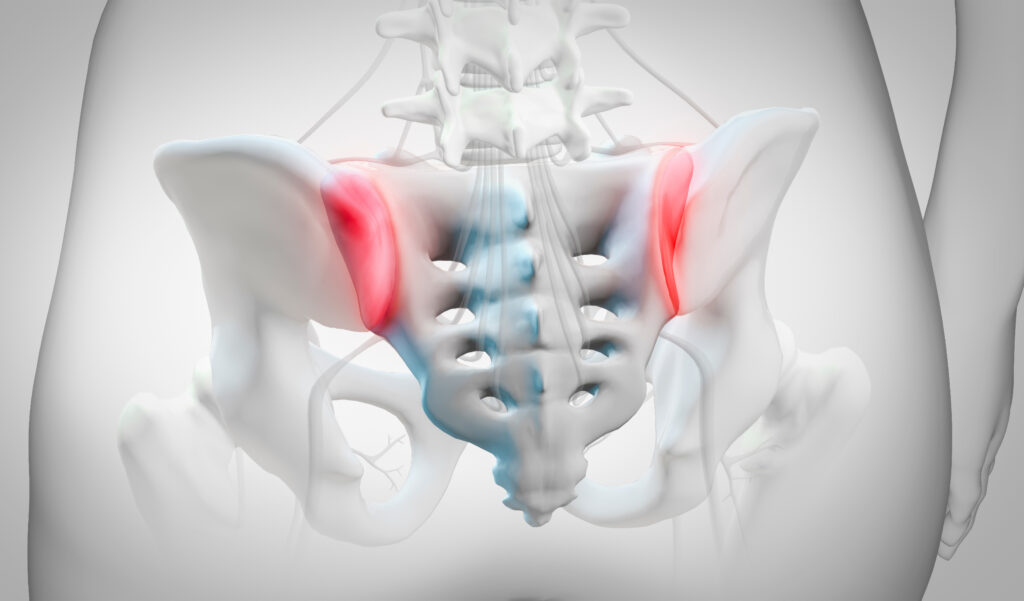
When your sacroiliac (SI) joint is acting up, it can turn simple tasks like walking or bending into challenging hurdles. Physical therapy offers hope for those struggling with SI joint discomfort. In this guide, we’ll explore some of the best SI joint physical therapy exercises, answer common questions about SI joint pain, and provide insights on recovery and treatment success.
SI Joint Physical Therapy Exercises
The sacroiliac joint connects the spine to the pelvis, providing stability while supporting the body’s weight. Physical therapy exercises target the muscles around the SI joint to restore balance, reduce strain, and improve overall function. Below are detailed exercises you can incorporate into your routine:
1. Bridge Pose
Why it works: Bridge pose strengthens the glutes, which play a key role in supporting the SI joint.
How to do it:
- Lie on your back with your knees bent and feet flat on the ground.
- Engage your core muscles and lift your hips until your body forms a straight line from your knees to your shoulders.
- Hold the position for 5-10 seconds, then lower your hips slowly.
Tip: Add a resistance band around your thighs to further activate the glutes.
2. Knee-to-Chest Stretch
Why it works: Stretching the lower back and hips relieves pressure on the SI joint.
How to do it:
- Lie flat on your back with both legs extended.
- Pull one knee toward your chest, keeping the other leg relaxed.
- Hold the stretch for 20-30 seconds before switching sides.
Tip: Breathe deeply during this stretch to promote relaxation.
3. Clamshells
Why it works: Strengthens the hip abductors, which stabilize the pelvis and SI joint.
How to do it:
- Lie on your side with your knees bent and feet stacked.
- Keep your feet together as you lift your top knee, ensuring your pelvis doesn’t tilt backward.
- Lower the knee slowly and repeat 10-12 times on each side.
Tip: Start without resistance and gradually incorporate a resistance band.
4. Pelvic Tilts
Why it works: Promotes flexibility and mobility in the lower back and pelvis.
How to do it:
- Lie on your back with your knees bent and feet flat.
- Flatten your lower back by tilting your pelvis upward slightly.
- Hold the tilt for 5 seconds, then relax. Repeat 10-15 times.
5. Child’s Pose
Why it works: Relieves tension in the lower back and hips.
How to do it:
- Kneel on the floor, sitting back on your heels.
- Stretch your arms forward and rest your forehead on the ground.
- Hold the position for 20-30 seconds.
- Tip: Place a pillow under your chest for added support if needed.
Can Physical Therapy Help SI Joint Pain?
Absolutely. Physical therapy addresses the root causes of SI joint pain by improving alignment, flexibility, and strength. A licensed therapist will assess your condition and create a tailored plan to:
- Reduce inflammation and discomfort.
- Strengthen the muscles supporting the pelvis.
- Restore proper joint alignment through manual therapy and exercises.
Physical therapy can also help prevent recurring SI joint pain by teaching you proper body mechanics for daily activities like lifting, bending, or even sitting.
How Successful Is Physical Therapy for SI Joint Pain?
The success of physical therapy for SI joint pain is well-documented. Studies indicate that a combination of strengthening and mobilization exercises significantly improves pain levels and enhances function in patients with SI joint dysfunction.
Key factors for success:
- A consistent commitment to your exercise program.
- Early intervention, which prevents chronic pain from developing.
- A skilled physical therapist who tailors treatment to your unique needs.
Many patients report feeling better within weeks, with long-term results achieved through continued practice of the recommended exercises.
How Long Does It Take for an SI Joint to Heal?
The healing timeline for SI joint pain depends on the severity of the condition and your adherence to treatment. Here’s a general breakdown:
- Mild cases: Improvement can be seen within 2-4 weeks of consistent physical therapy.
- Moderate cases: It may take 6-8 weeks to see significant results.
- Chronic pain: For longstanding issues, healing may take several months, but steady progress is possible.
Recovery isn’t just about feeling better—it’s about rebuilding the stability and strength needed to prevent future issues.
SI Joint Physical Therapy Near Me
Finding a local clinic with experienced therapists is essential for effective treatment. Core 3 Physical Therapy specializes in SI joint physical therapy in PA. Our team combines hands-on techniques with tailored exercise plans to ensure optimal recovery.
Whether you’re new to physical therapy or seeking advanced care for chronic pain, Core 3 is here to guide you. Contact us today to schedule your first appointment and take the first step toward pain-free living.
With the right approach, relief from SI joint pain is within reach. By incorporating these SI joint physical therapy exercises and working with a professional, you can regain control of your health and mobility. Don’t let SI joint pain hold you back—start your journey to recovery today!
