
Pelvic Floor Therapy for Pelvic Dysfunction in Bucks County: Choosing the Right Clinic
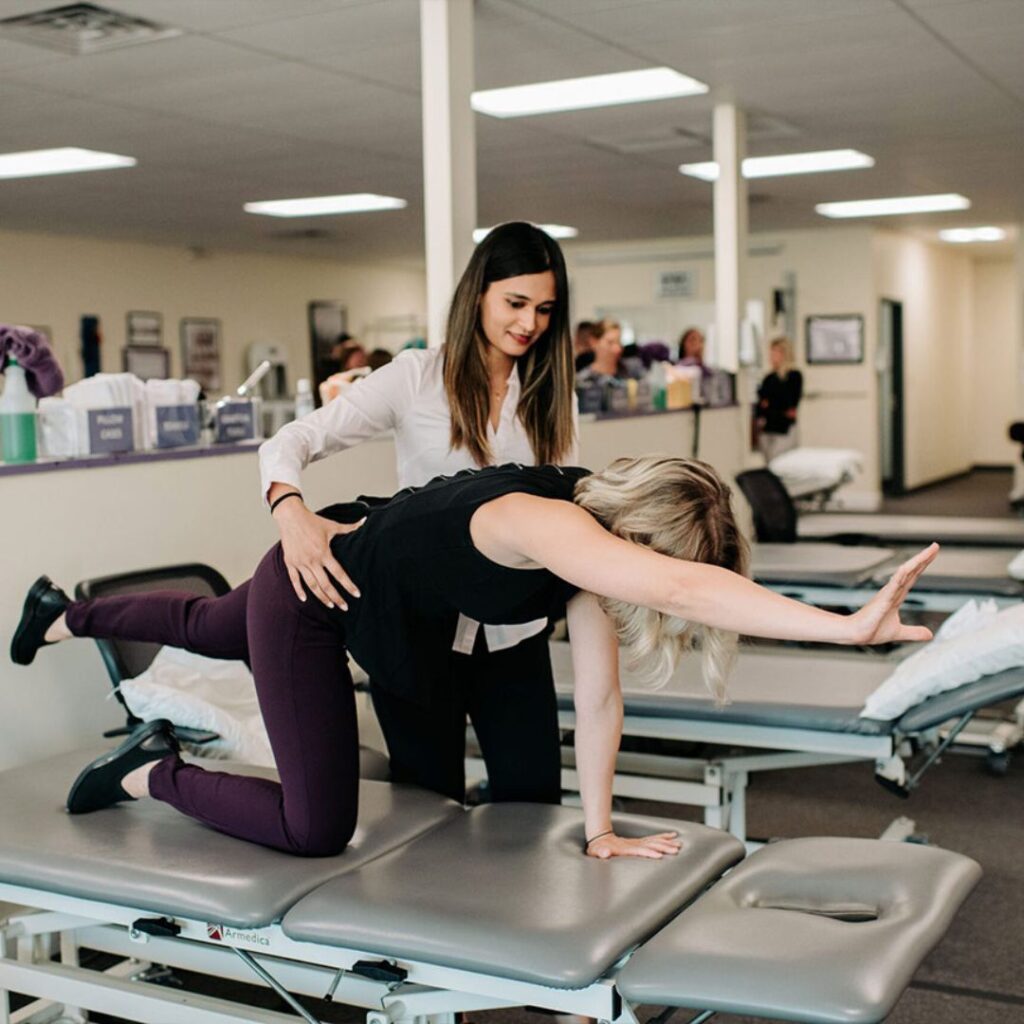
Living with pelvic pain, bladder or bowel concerns, or discomfort during everyday activities can be frustrating and isolating. Many people experience symptoms without realizing that help is available—and that those symptoms are often related to pelvic floor dysfunction. For individuals searching for pelvic floor therapy for pelvic dysfunction in Bucks County, finding the right clinic is an important first step toward relief, confidence, and improved quality of life.
Pelvic floor dysfunction can affect women and men of all ages, and symptoms may appear gradually or following life events such as pregnancy, surgery, injury, or ongoing stress on the body. The good news is that pelvic dysfunction treatment through physical therapy is safe, effective, and personalized when provided by trained healthcare professionals. A qualified pelvic floor clinic in Bucks County can help identify the root cause of symptoms and guide patients through evidence-based care designed to restore strength, coordination, and comfort.
What Is Pelvic Floor Dysfunction?
Pelvic floor dysfunction occurs when the muscles at the base of the pelvis do not work properly. These muscles support the bladder, bowel, and reproductive organs, and they help control bladder and bowel function, posture, and core stability. When the pelvic floor muscles are too tight, too weak, or not coordinating correctly, they can lead to pain, discomfort, or changes in daily function.
This condition can affect both women and men and may develop after pregnancy and childbirth, surgery, injury, chronic constipation, or prolonged physical strain. In some cases, symptoms appear gradually and are often mistaken as a normal part of aging or recovery. However, pelvic floor dysfunction is a treatable condition.
Through pelvic floor therapy for pelvic dysfunction in Bucks County, licensed physical therapists evaluate how the pelvic floor muscles work together with breathing, posture, and movement. Proper assessment helps identify the underlying cause of symptoms and allows for personalized pelvic dysfunction treatment focused on restoring function and improving quality of life.
Common Symptoms of Pelvic Floor Dysfunction
Pelvic floor dysfunction can affect people differently, depending on muscle function, medical history, and daily activities. Symptoms may develop gradually or appear after specific life events, and they often impact comfort, movement, and confidence. Below are some of the most common signs that the pelvic floor muscles may not be working as they should.
Pelvic Pain or Pressure
Ongoing pelvic pain, aching, or a feeling of pressure in the pelvis can be a sign of pelvic floor dysfunction. Some individuals also experience discomfort in the hips, tailbone, or lower back, especially when sitting for long periods or during physical activity.
Bladder Control Issues
Changes in bladder function are common with pelvic floor dysfunction. Symptoms may include urinary leakage, frequent urges to urinate, difficulty fully emptying the bladder, or feeling the need to strain. These issues can interfere with daily routines and quality of life.
Bowel Function Changes
Pelvic floor dysfunction may affect bowel movements, leading to constipation, straining, or a feeling of incomplete emptying. These symptoms are often overlooked but can place additional strain on the pelvic floor muscles over time.
Pain During Activity or Intimacy
Discomfort during exercise, daily movement, or intimacy may indicate that the pelvic floor muscles are too tight or not coordinating properly. This type of pain is not normal and should be evaluated by a trained professional.
Difficulty Relaxing or Coordinating Muscles
Some individuals experience trouble fully relaxing or activating the pelvic floor muscles when needed. This lack of coordination can contribute to pain, tension, or functional limitations.
If you are experiencing any of these symptoms, seeking pelvic floor therapy for pelvic dysfunction in Bucks County can help identify the underlying cause and guide appropriate pelvic dysfunction treatment. A trusted pelvic floor clinic in Bucks County provides professional assessment and individualized care designed to restore function and improve daily comfort.
How a Physical Therapy Clinic Treats Pelvic Floor Dysfunction
Pelvic floor dysfunction is not treated with a single technique or standard routine. Effective care begins with understanding each patient’s specific symptoms, needs, and movement patterns. A professional physical therapy clinic uses a structured, personalized process to ensure care is safe and effective.
Comprehensive Assessment
Treatment begins with a thorough assessment performed by a licensed physical therapist trained in pelvic health. This includes a detailed discussion of symptoms, medical history, and daily activities. The therapist also evaluates posture, breathing, mobility, and how the pelvic floor muscles coordinate with the rest of the body. This step is essential for identifying the root cause of dysfunction rather than just addressing symptoms.
Explanation of the Treatment Process
After the assessment, the physical therapist explains the findings and outlines a clear treatment plan. Patients are informed about what is contributing to their symptoms and how physical therapy can help. This transparent approach allows patients to feel confident and involved in their care, while understanding that progress happens through guided, professional treatment rather than quick fixes.
Exercises Based on Your Individual Needs
Pelvic floor exercises are selected based on each patient’s specific evaluation results. Not everyone benefits from the same exercises, and performing the wrong movements can increase discomfort. In a physical therapy clinic, exercises are introduced gradually, monitored closely, and adjusted as needed. This personalized approach ensures exercises are safe, effective, and appropriate for each stage of recovery.
Through pelvic floor therapy for pelvic dysfunction in Bucks County, patients receive expert care that focuses on long-term improvement, not temporary relief. Working with a trusted pelvic floor clinic in Bucks County ensures pelvic dysfunction treatment is guided by trained healthcare professionals who prioritize safety, comfort, and lasting results.
Pelvic Floor Exercises Used in a Physical Therapy Clinic
Pelvic floor exercises can be an important part of recovery, but they are not a one-size-fits-all solution. The pelvic floor muscles work differently for each person, which is why exercises should always be guided by a trained physical therapist. Attempting exercises without proper evaluation may increase tension, worsen symptoms, or delay progress.
In a physical therapy clinic, pelvic floor exercises are introduced only after a thorough assessment. A licensed physical therapist determines whether the pelvic floor muscles need strengthening, relaxation, or improved coordination. Some individuals benefit from gentle activation exercises, while others need techniques that focus on relaxation and muscle control. This professional guidance helps ensure exercises support healing rather than cause further discomfort.
Exercises are performed with close attention to breathing, posture, and body mechanics. Physical therapists provide clear instruction and make adjustments as needed to ensure movements are done correctly and safely. Progressions are made gradually, based on how the body responds over time. This approach helps patients build confidence while protecting the pelvic floor from unnecessary strain.
Through pelvic floor therapy for pelvic dysfunction in Bucks County, patients receive individualized pelvic dysfunction treatment designed to meet their specific needs. Working with a trusted pelvic floor clinic in Bucks County ensures exercises are selected and guided by healthcare professionals who understand how to promote long-term improvement without risk.
How to Choose the Right Pelvic Floor Clinic in Bucks County
Choosing the right clinic for pelvic floor care is an important decision. Pelvic floor dysfunction is a sensitive and complex condition, and treatment should be provided by qualified healthcare professionals with the appropriate training and experience. When searching for a pelvic floor clinic in Bucks County, there are a few key factors to keep in mind.
First, look for a clinic with a professional background in pelvic health and women’s health. Pelvic floor therapy requires specialized education beyond general physical therapy training. A clinic that focuses on pelvic health is better equipped to evaluate symptoms accurately and provide effective pelvic dysfunction treatment tailored to individual needs.
It is also important to choose a clinic staffed by licensed healthcare professionals, for example, a pelvic floor specialist, who take a personalized, one-on-one approach to care. Pelvic floor therapy should never feel rushed. Individual attention allows the therapist to adjust treatment based on progress, comfort level, and goals, which leads to better long-term outcomes.
In Pennsylvania, Direct Access certification is another valuable credential to look for. Direct Access certified physical therapists allow patients to begin care without a physician referral when appropriate. At Core 3 Physical Therapy, therapists are Direct Access certified, making it easier for patients to start pelvic floor therapy for pelvic dysfunction in Bucks County without unnecessary delays.
Core 3 Physical Therapy Locations
For patients seeking pelvic floor therapy for pelvic dysfunction in Bucks County, Core 3 Physical Therapy offers expert care at multiple convenient locations within the county:
CORE 3 Physical Therapy – Chalfont
100 Stewart Lane
CORE 3 Physical Therapy – Warrington
865 Easton Road, Suite 190
Both Chalfont and Warrington are located in Bucks County, providing local access to licensed healthcare professionals with specialized pelvic health training.
For patients who may live nearby or prefer an alternative location, Core 3 Physical Therapy also offers pelvic floor services at the following Montgomery County locations:
CORE 3 Physical Therapy – Hatfield
1691 Bethlehem Pike
CORE 3 Physical Therapy – East Norriton
325 W. Germantown Pike, Suite 105
CORE 3 Physical Therapy – Limerick
536 N Lewis Rd
Each Core 3 location follows the same patient-centered approach, offering personalized pelvic dysfunction treatment guided by Direct Access certified physical therapists.
If you are experiencing symptoms and are unsure where to start, help is available. Core 3 Physical Therapy is here to guide you through safe, effective pelvic dysfunction treatment and answer your questions with care and respect. Reaching out is the first step toward feeling better—and you don’t have to take that step alone.

Hatfield
1691 Bethlehem Pike
Hatfield, PA 19440
Phone: 267-308-5330
Fax: 267-308-5331
Chalfont
100 Stewart Ln,
Chalfont, PA 18914
Phone: 215-789-6543
Fax: 215-789-6544
East Norriton
325 West Germantown Pike, Suite 105
East Norriton, PA, 19403
Phone: 267-534-7614
Fax: 267-534-7615
Limerick
536 North Lewis Rd
Limerick, PA, 19468
Phone: 484-938-5403
Fax: 484-938-5164