
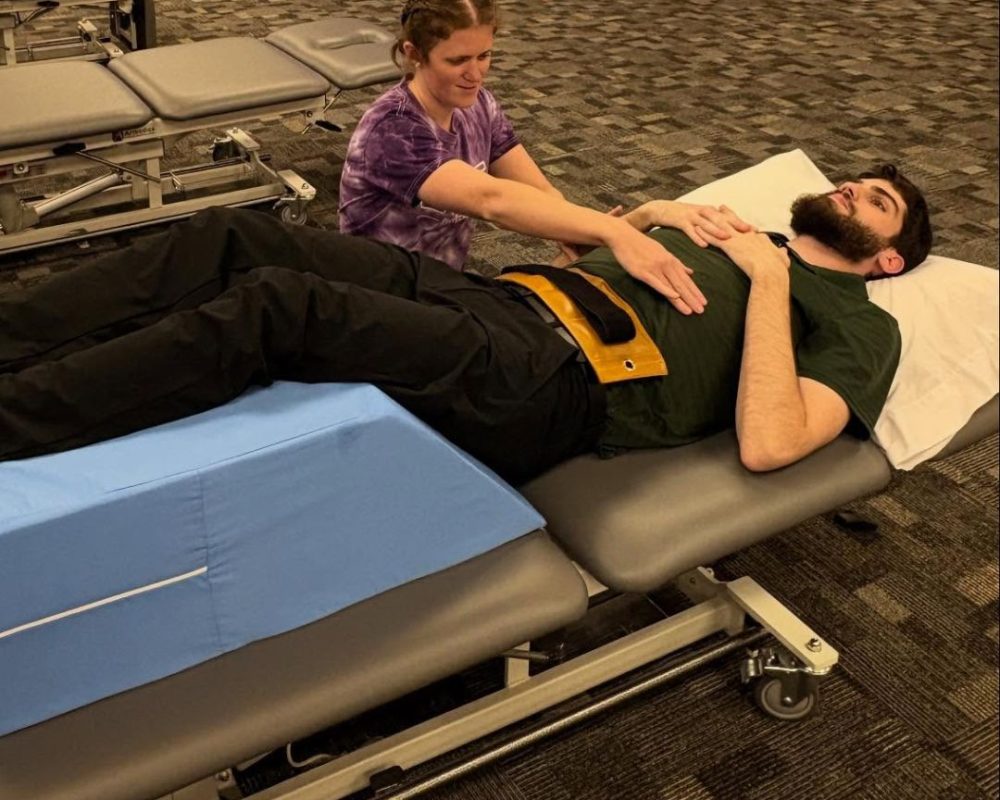
If you’ve been asking, “can physical therapy boost your immune system?” — the short answer is yes, indirectly, through three connected mechanisms: lowering the stress hormones that suppress immune function, improving the sleep your body needs to repair itself, and keeping you consistently active without adding medication into the mix. If you’re recovering from an injury or managing a chronic condition, staying consistent with movement can matter for your overall health, not just your recovery.
It’s easy to think of physical therapy as something you do only after an injury or surgery, but the same principles that rebuild strength and mobility also happen to be good for your body’s defenses. A well-designed program keeps you moving regularly, which is exactly the kind of consistent, moderate activity that research connects to a well-functioning immune system — as opposed to the extremes of being sedentary or overtraining, both of which can work against you.
This isn’t a substitute for medical care — if you have a compromised immune system or a specific health concern, talk with your physician or a physical therapist about what’s safe for you. But for most people, working with a physical therapist is a practical way to support the body’s natural defenses over the long term.
Can Physical Therapy Boost Your Immune System?
To answer that directly: can physical therapy boost your immune system on its own? Not by treating illness — physical therapy isn’t a substitute for medical treatment. But a tailored PT program touches three things your immune system depends on: your stress levels, your sleep quality, and how consistently you move. Below are the mechanisms our therapists see make the biggest difference for patients.
1. Lowering Stress Hormones
Chronic stress keeps cortisol elevated, and sustained high cortisol suppresses the immune cells your body relies on to fight infection, according to the American Psychological Association (APA). Exercise counters this directly: physical activity triggers the release of endorphins, which help regulate mood and reduce the stress response. Better circulation from regular movement also helps immune cells travel through the body more efficiently, so they can respond faster where they’re needed.
A physical therapist can help with stress, you find an activity level that lowers stress without overloading a healing joint or muscle — which matters if you’re already managing pain, since pushing too hard can add stress rather than relieve it.
2. Improving Sleep Quality
Poor sleep reduces the body’s production of cytokines, proteins that play a key role in immune response and in fighting inflammation, per the CDC. Pain is one of the most common reasons people struggle to sleep, and it becomes a cycle: less sleep makes pain feel worse, and more pain disrupts sleep further.
Physical therapy can help break that cycle. By addressing the source of pain — rather than just masking it — a guided program can make it easier to fall and stay asleep, which gives your body more of the restorative rest it needs to keep your immune system functioning well.
3. How to Strengthen Immune System Without Medication
One of the advantages of physical therapy is that it’s a way to work on how to strengthen immune system without medication — a licensed physical therapist builds a program around your specific condition and goals, whether that’s rebuilding strength after surgery, managing a chronic issue, or simply staying consistently active.
Regular, appropriately-dosed exercise is linked to better cardiovascular health and has been shown to support immune function over time. For patients managing multiple health conditions or who want to limit their medication load, a movement-based approach can be a meaningful complement to the rest of their care.
Taken together, these three factors are why our answer to “can physical therapy boost your immune system” is a qualified yes — not because any single exercise is a cure-all, but because a body that’s moving well, sleeping well, and managing stress well is simply better equipped to fight off what comes its way. That’s true whether you’re 8 weeks post-surgery or just looking to feel more resilient day to day.
Know When to Scale Back: Exercise and Being Sick
Not every day calls for the same intensity, and knowing when to ease up matters as much as staying consistent. A widely used guideline from Mayo Clinic is sometimes called the “neck check”: mild, above-the-neck symptoms like a runny nose, sneezing, or a mild sore throat are usually fine to work through with light-to-moderate activity, while below-the-neck symptoms — a fever, body aches, chest congestion, or an upset stomach — are a sign to rest instead.
If you’re in the middle of a physical therapy program, your therapist can help you adjust that day’s session rather than skipping it outright — lighter resistance, a shorter session, or a day of rest, depending on how you’re feeling. The goal isn’t to push through everything; it’s knowing which days call for a lighter touch so you can stay consistent over time without setting yourself back.
As always, this is general guidance, not a diagnosis. If you’re managing a specific illness or a chronic health condition, check with your physician about what’s appropriate for you.
What a Wellness-Focused PT Program Looks Like at Core 3
A program built around your overall health, not just a single injury, usually starts with a full conversation about your activity level, sleep, stress, and goals — not only the specific pain point that brought you in. At Core 3, that conversation happens one-on-one with a board-certified specialist rather than a rotating aide, so your plan can reflect the full picture.
From there, your therapist builds a plan around your current capacity and adjusts it as you progress, rather than handing you a generic routine. That individualized approach is part of what sets physical therapy apart from just adding more exercise on your own — someone is tracking how your body actually responds and adjusting your plan accordingly.
Frequently Asked Questions
Does PT exercise help your immune system?
Yes, indirectly. Guided physical therapy exercise supports the stress reduction, sleep quality, and general activity level that are all linked to healthy immune function — it isn’t a direct treatment for illness, but it’s a meaningful piece of overall wellness alongside your regular medical care.
Is it safe to continue physical therapy if I’m feeling run down?
That depends on what’s causing it, so it’s worth a quick conversation with your therapist or physician first. In many cases, gentle, guided movement is fine and even helpful, but your PT can adjust your program if you need to scale back.
How soon will I notice a difference?
Sleep quality and stress levels often improve within the first few weeks of a consistent program, though this varies by person. Your physical therapist can help set realistic expectations based on your specific plan and health history.
Do I need a referral to start physical therapy?
Pennsylvania allows direct access to physical therapy, so in most cases you can schedule an evaluation without a physician referral first. Your insurance plan may have its own requirements, which our front desk team can help you check.
Ready to Feel Stronger, Inside and Out?
If you’ve been dealing with pain, poor sleep, or high stress, addressing it through orthopedic physical therapy can support your recovery and your overall health at the same time. Our therapists build every program around your specific goals and take the time to explain how each part of your plan fits together — including the ways physical therapy can support your immune system that we’ve covered here.
Every patient’s plan looks a little different, which is part of why we keep our clinics small and our therapist-to-patient ratio low — it’s easier to notice what’s actually helping you sleep better, stress less, and stay active when your therapist knows your case well.
We’d love to help you get started. Reach out to schedule an appointment at any of our five convenient locations:
- Hatfield — 1691 Bethlehem Pike, Hatfield, PA 19440 — 267-308-5330
- East Norriton — 325 W. Germantown Pike, Ste. 105, East Norriton, PA 19403— 267-534-7614
- Chalfont — 100 Stewart Lane, Ste. 100, Chalfont, PA 18914 — 215-789-6543
- Limerick — 536 North Lewis Rd, Limerick, PA 19468 — 484-938-5403
- Warrington — 865 Easton Rd, Suite 190, Warrington, PA 18976 — 267-748-2081
