
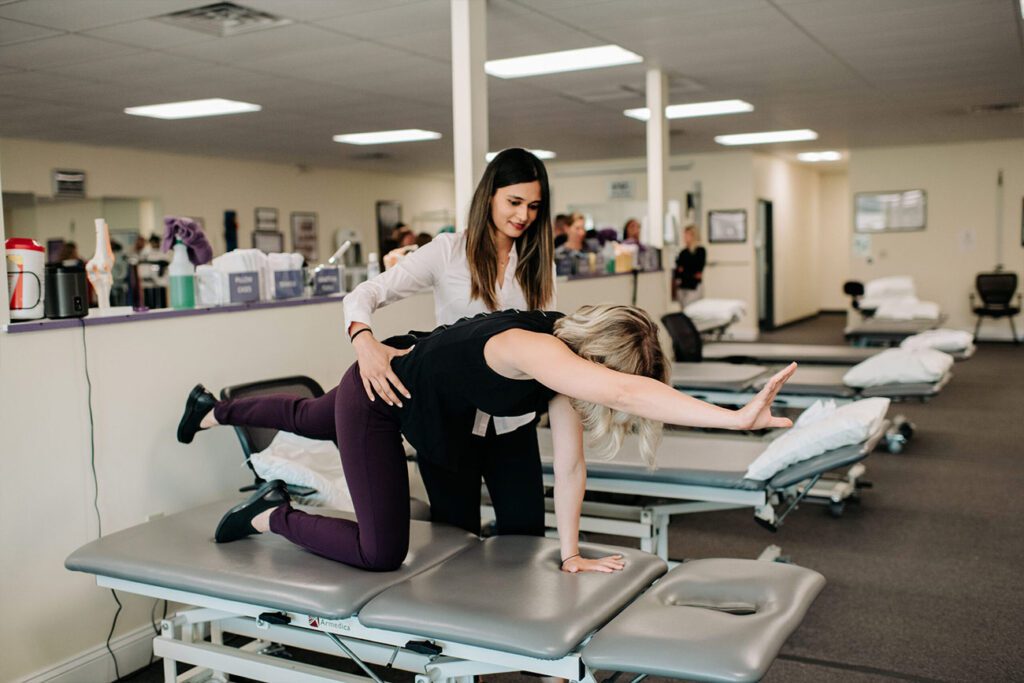
If you’re dealing with ongoing discomfort, you may be wondering: can physical therapy help with pain, or is it really just for post-surgery recovery? The truth is, physical therapy addresses a much wider range of pain-related conditions than most people realize, from nerve compression in the hands to pelvic pain after childbirth. At CORE 3 Physical Therapy, our board-certified specialists build individualized treatment plans designed to identify the root cause of your pain, not just mask the symptoms.
How Physical Therapy Helps With Pain
So, how does physical therapy help with pain, exactly? Rather than just masking symptoms, physical therapy is designed to identify and treat the underlying cause of your discomfort. At CORE 3, your treatment plan is built around your specific movement patterns, muscle imbalances, and pain triggers, not a one-size-fits-all protocol.
A few of the core mechanisms at work:
- Targeted strengthening and stretching reduce stress on the joints and soft tissue that are driving your pain
- Manual therapy techniques improve blood flow and mobility in restricted areas
- Movement re-education retrains your body to move in ways that reduce strain and prevent pain from recurring
- Patient education gives you tools to manage symptoms on your own between visits
This approach is especially valuable for physical therapy for chronic pain, where the goal isn’t a quick fix but a sustainable change in how your body moves and functions day to day. Research on pain-focused physical therapy interventions has shown meaningful reductions in reported pain levels alongside improved functional outcomes, reinforcing that this isn’t just a supportive therapy, it’s a legitimate first-line treatment for many pain conditions.
Can physical therapy help with pain long after an initial injury has healed? Often, yes. Chronic and recurring pain frequently stems from compensation patterns or muscle weakness that built up over time, which is exactly the kind of root cause physical therapy is designed to address.
Orthopedic Conditions Physical Therapy Can Treat
Orthopedic issues, problems affecting your muscles, joints, bones, and connective tissue, are some of the most common reasons people ask, “can physical therapy help with pain?” Here are a few conditions where physical therapy plays a significant role.
Carpal Tunnel Syndrome
Carpal tunnel syndrome occurs when the median nerve is compressed at the wrist, causing pain, numbness, tingling, or weakness in the hand. Studies estimate that between roughly 3% and 14% of the general population experiences symptoms consistent with carpal tunnel syndrome, making it one of the more common nerve-related conditions physical therapists treat.
Conservative treatment is often the first recommended step. Non-surgical approaches such as exercise, mobilization, and splinting are commonly used as initial treatment before more invasive options are considered. At CORE 3, treatment may include nerve gliding exercises, wrist and hand stretching, and manual therapy techniques designed to relieve pressure on the median nerve and restore normal function.
Plantar Fasciitis
Plantar fasciitis is inflammation of the thick band of tissue running along the bottom of the foot, and it’s a frequent cause of heel pain. Some studies have found plantar fasciitis prevalence among runners to be as high as 22%, making it a common concern for active patients in particular.
Physical therapy for this condition typically combines stretching and strengthening exercises for the foot, ankle, and calf with modalities like taping or ice therapy to reduce inflammation and support healing.
Osteoporosis and Chronic Pain
Osteoporosis develops when the body can’t keep pace with producing new bone tissue, leaving bones brittle and more prone to fracture. This condition is closely tied to physical therapy for chronic pain, since the muscle weakness and poor balance that often accompany osteoporosis can lead to ongoing discomfort and a heightened risk of falls. Falls account for the vast majority of fractures in older adults with osteoporosis, which is why posture, balance, and strength training are such a central part of treatment.
At CORE 3, physical therapy for osteoporosis focuses on weight-bearing exercises and posture correction.
Women’s Health Conditions Physical Therapy Can Treat
Physical therapy for women’s health has grown significantly, offering targeted, effective treatment for a number of conditions that many women assume they just have to live with.
Prenatal and Postpartum Pain
Pregnancy and childbirth place significant strain on the body, and low back and pelvic girdle pain are especially common. Research shows that more than half of pregnant women experience low back pain, and roughly three-quarters report some form of pregnancy-related back pain overall. This pain often continues into the postpartum period as the body recovers from delivery.
At CORE 3, physical therapy for prenatal and postpartum pain focuses on posture correction, core and pelvic stabilization, and safe strengthening exercises tailored to each stage of pregnancy and recovery, including scar mobilization for women recovering from a C-section or episiotomy.
Pelvic Pain and Urinary Incontinence
Urinary incontinence after childbirth is far more common than most women expect. Postpartum urinary incontinence affects roughly a quarter to a third of women in the year following delivery, often due to weakened pelvic floor muscles from pregnancy and vaginal delivery.
Pelvic floor physical therapy addresses this directly, using targeted exercises to strengthen and retrain the pelvic floor muscles. Treatment at CORE 3 may include manual therapy, biofeedback, and individualized exercise programs, all delivered in a private, comfortable setting given the sensitive nature of this care.
Pain During Intercourse
Pain during intercourse, medically known as dyspareunia, can stem from muscle tension, scar tissue, nerve involvement, or pelvic floor dysfunction, and it’s a condition that often goes unaddressed simply because it’s uncomfortable to bring up. Pelvic floor physical therapy can help by improving blood flow, muscle flexibility, and coordination in the pelvic floor, working toward reducing pain and restoring normal function. Our specially trained therapists provide this care with the privacy and discretion this topic deserves.
You Don’t Need a Referral — PA Direct Access to Physical Therapy
One of the biggest misconceptions about physical therapy is that you need a doctor’s referral to get started. In Pennsylvania, that’s not the case. Under the state’s Direct Access law, patients can see a licensed physical therapist without a physician referral, which means less time waiting and more time addressing your pain.
Here’s what sets CORE 3 apart when you’re deciding where to start that care:
- One-on-one care with a Doctor of Physical Therapy — no rotating between aides or assistants for the bulk of your treatment
- Board-certified specialists — an advanced credential held by a relatively small percentage of practicing therapists, reflecting focused, advanced training in specific areas of care
- PA Direct Access — start treatment without waiting on a referral or a separate physician visit
- Private, judgment-free care for sensitive conditions — especially important for pelvic floor and women’s health treatment, where comfort and discretion matter
Whether you’re dealing with joint pain, nerve compression, or postpartum recovery, you can call CORE 3 directly and get started right away.
Frequently Asked Questions
Can physical therapy help with pain without medication or surgery?
Yes. Physical therapy is often used as a first-line, conservative treatment for many types of pain, addressing the root cause through movement, manual therapy, and strengthening rather than relying solely on medication or invasive procedures.
Do I need a referral to start physical therapy in Pennsylvania?
No. Pennsylvania’s Direct Access law allows you to see a physical therapist without a physician referral, so you can begin treatment sooner rather than waiting on a separate doctor’s visit.
How long does it take for physical therapy to reduce pain?
This varies by condition and individual, but many patients notice improvement within the first several weeks of consistent treatment. Your therapist will set specific, measurable goals during your evaluation and adjust your plan based on your progress.
Is pelvic floor physical therapy uncomfortable or embarrassing?
It’s normal to feel a little unsure going in. Pelvic floor physical therapy is conducted in a private setting with a specially trained therapist, and treatment is always explained in advance so you know what to expect at each step.
Find Pain Relief at CORE 3 Physical Therapy
If you’re dealing with pain, whether it’s from an orthopedic condition, a nerve issue, or a women’s health concern, you don’t have to wait for it to get worse or for a referral to get started. CORE 3 Physical Therapy offers individualized, one-on-one care from board-certified specialists across five convenient locations.
CORE 3 Limerick 536 N. Lewis Rd, Limerick, PA 19468, Phone: 484-938-5403
CORE 3 Hatfield 1691 Bethlehem Pike, Hatfield, PA 19440, Phone: 267-308-5330
CORE 3 East Norriton 325 W. Germantown Pike, Suite 105, East Norriton, PA 19403, Phone: 267-534-7614
CORE 3 Chalfont 100 Stewart Lane, Chalfont, PA 18914, Phone: 215-789-6543
CORE 3 Warrington 865 Easton Road, Suite 190, Warrington, PA 18976, Phone: 267-748-2081
Contact your nearest CORE 3 location today to schedule an evaluation and start your path toward lasting pain relief.
All locations also offer Telehealth appointments via Doxy.me for eligible patients throughout Pennsylvania.
Disclaimer: The information provided in this article is for general informational purposes only and does not constitute medical advice. Physical therapy treatment plans, techniques, and outcomes vary by individual, condition, and clinical presentation. The exercises and information described here are intended as general education and are not a substitute for evaluation and treatment by a licensed physical therapist. If you are experiencing pain, injury, or any medical condition, consult with a licensed healthcare provider before beginning any exercise or treatment program.
