
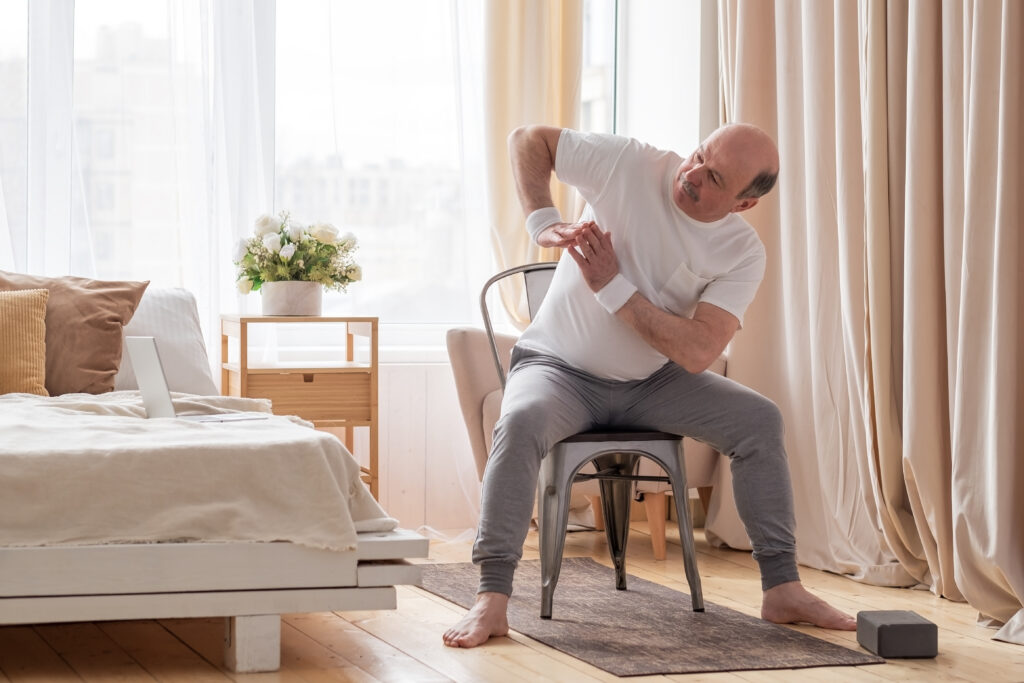
Staying steady on your feet—or even while sitting—is something many of us take for granted. But as we age, maintaining balance can become more of a challenge. Luckily, there are ways to strengthen these skills, and one of the most effective approaches is through targeted exercises. In this article, we’ll walk through the importance of balance, how it can be regained, and simple sitting balance exercises for seniors that can make a real difference.
Why Do Seniors Lose Their Balance?
Losing balance isn’t just “part of getting older”—there are specific reasons behind it. As we age, several natural changes can affect our ability to stay steady. Muscles can weaken, joints might stiffen, and reflexes may slow down. On top of that, vision changes and certain medical conditions, such as diabetes, arthritis, or vestibular disorders, can also play a role.
Even medications can impact balance by causing dizziness or drowsiness. It’s important to know that losing balance is common but not something you have to accept as inevitable. Many seniors experience these changes gradually, which is why early attention to balance is so important.
Can The Elderly Get Their Balance Back?
The great news is yes—balance can be improved at any age! Whether someone is in their 60s or 90s, the human body is capable of adapting and getting stronger. With the right exercises, seniors can regain confidence and stability, reducing their risk of falls.
In fact, structured movement, like sitting balance exercises for seniors, helps rebuild core strength, improve posture, and train the brain and body to respond more quickly to shifts in movement. The key is consistency. Even a few minutes a day can yield noticeable improvements over time.
Balance is like any other skill—the more you work on it, the better it gets. And if combined with guidance from a licensed physical therapist, seniors can see faster, safer, and more sustainable results.
How Balance Affects Fall Prevention
Falls are one of the leading causes of injury among older adults, but the good news is that balance training can significantly reduce the risk. As we age, our reflexes and muscle strength naturally decline, making it easier to lose footing—even when sitting or standing.
By practicing sitting balance exercises for seniors, older adults can improve core stability, leg strength, and reaction time. This means that if a senior begins to lose balance, their body is better equipped to correct the movement and prevent a fall.
Improved balance also increases confidence, which plays a huge role in preventing falls. Seniors who feel secure in their movements tend to stay more active, which keeps muscles and joints working well. Avoiding a cycle of inactivity is critical to staying safe and independent for as long as possible.
Sitting Balance Exercises for Seniors
Now, let’s talk about the heart of the matter—sitting balance exercises for seniors. These movements are designed to be gentle but effective, helping improve stability while seated. They are ideal for those who may feel unsteady when standing or are just starting to rebuild their balance.
1. Seated Marching
While sitting on a sturdy chair, keep your back straight and lift one knee toward your chest, then lower it and switch to the other leg. This exercise helps strengthen your hip flexors and lower abs, which play a key role in balance.
2. Weight Shifts
Sit with your feet flat on the floor. Slowly lean your weight to one side, lifting the opposite hip slightly off the chair. Then return to center and repeat on the other side. This movement trains your core and helps you practice controlled shifting of weight.
3. Seated Leg Lifts
While seated, extend one leg straight out and hold it for a few seconds before lowering it. Repeat on the other side. This builds leg and core strength, supporting better posture and balance.
4. Arm Reaches
Reach one arm up and over your head while keeping your balance centered. Alternate arms. This encourages spinal mobility and core engagement, both essential for sitting and standing balance.
5. Seated Heel and Toe Taps
Tap your toes on the floor, then switch to tapping your heels. Alternate back and forth at a steady pace. This simple exercise promotes ankle mobility and helps with overall coordination.
The beauty of sitting balance exercises for seniors is that they can be done safely at home or under the guidance of a physical therapist. They’re gentle, don’t require fancy equipment, and can be adjusted to fit your comfort level.
How Long Does It Take to Improve Balance in the Elderly?
Everyone’s journey is different, but many seniors start noticing improvements in their balance within a few weeks of consistent practice. For most, doing sitting balance exercises for seniors two to three times per week can lead to noticeable progress in 4 to 6 weeks.
However, balance is a combination of strength, coordination, and confidence. Some seniors may feel steadier after just a few sessions, while others may take a bit longer depending on their individual health, fitness level, and any underlying conditions.
The important part is staying patient and consistent. Partnering with a physical therapist can help create a tailored plan and ensure that exercises are done safely and effectively. A therapist can also make small adjustments that can lead to faster results and help prevent setbacks.
Complementary Therapies for Balance Improvement
While sitting balance exercises for seniors are effective on their own, they work even better when combined with other supportive therapies. At Core 3 Physical Therapy, we often recommend a well-rounded approach depending on each individual’s needs.
Vestibular Therapy
For seniors who experience dizziness or vertigo, vestibular rehabilitation can be a game-changer. It targets the inner ear and brain to help control balance and eye movement.
Gait Training
This therapy focuses on improving walking patterns, stride length, and step symmetry. Gait training helps seniors walk with more confidence and reduces the risk of falls, especially for those recovering from surgeries or dealing with neurological conditions.
Manual Therapy
Hands-on techniques to mobilize stiff joints and improve flexibility can complement sitting balance exercises for seniors by restoring movement in areas like the hips, lower back, or ankles.
Combining these therapies helps create a holistic program that not only boosts balance but also improves mobility, strength, and coordination.
Balance Physical Therapy for Seniors in Bucks and Montgomery County
While sitting balance exercises for seniors are a great start, working directly with a physical therapist can provide added support, expert guidance, and quicker results. At Core 3 Physical Therapy, we specialize in helping seniors regain their balance, mobility, and confidence through personalized care.
We proudly serve seniors across Bucks and Montgomery County at our convenient locations in Hatfield, Chalfont, East Norriton, and Limerick. Whether you or a loved one are looking to prevent falls, improve balance, or feel steadier every day, we’re here to help.
Our therapists will assess your individual needs and create a tailored plan designed to strengthen your body, improve coordination, and restore confidence. From sitting balance exercises for seniors to full-body programs, our team ensures every step is safe and effective.
At Core 3 Physical Therapy, we are passionate about helping seniors move better and feel stronger. If you’re looking for a reliable partner on your journey to improved balance, we’re here for you. Contact us today to schedule an appointment at one of our friendly locations.