
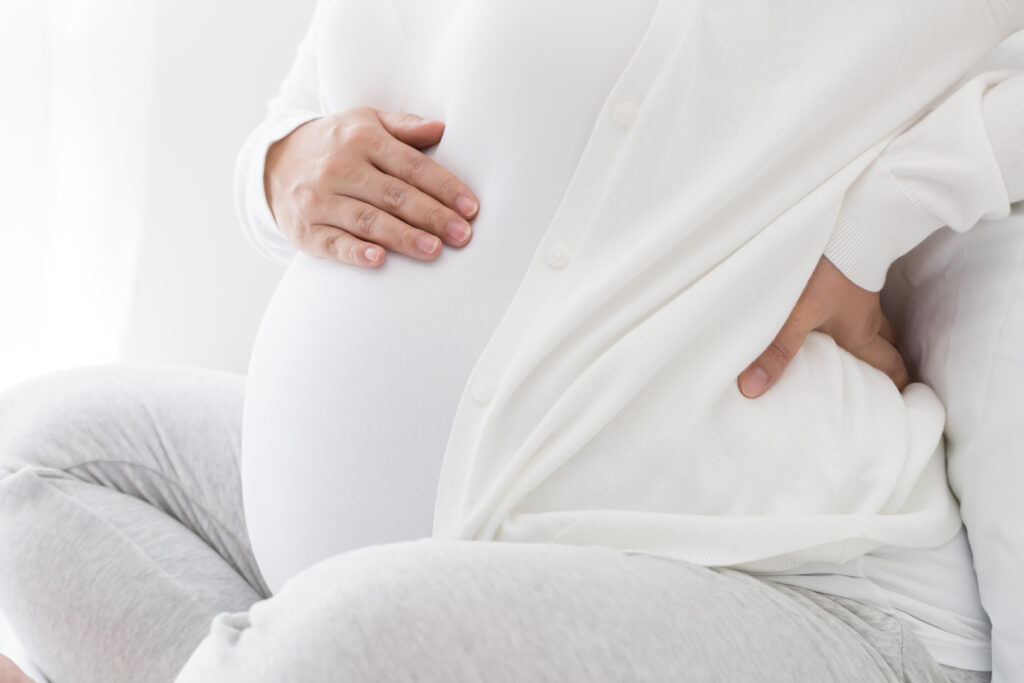
Why Am I Having Back Pain During Pregnancy?
During pregnancy, your body goes through remarkable changes to nurture and accommodate your growing baby. These changes can lead to various discomforts, and back pain is a common one. Understanding the reasons behind this pain can help you effectively manage and alleviate it.
The main contributors to back pain during pregnancy include:
- Spinal Changes: As your body prepares for childbirth, hormonal shifts like the release of relaxin cause ligaments and joints to loosen, impacting the stability of your spine. This can lead to strain and discomfort.
- Postural Adjustments: Your body’s center of gravity shifts forward as your baby grows, prompting adjustments in posture. These changes can put added pressure on your spine, particularly the lower back.
- Increased Weight: The weight gain associated with pregnancy places additional stress on your spine and back muscles. The lumbar region, in particular, may bear the brunt of this added load.
- Muscle Imbalance: Changes in posture and the need for greater stability can lead to muscle imbalances, with some muscles becoming overworked and others underused. This imbalance can contribute to back pain.
- Sciatic Nerve Pressure: As the uterus expands, it may put pressure on the sciatic nerve, causing a shooting pain that radiates down the back of the leg and into the lower back.
When Does Back Pain Start in Pregnancy?
Back pain during pregnancy doesn’t follow a one-size-fits-all timeline. Some women experience mild back discomfort as early as the first trimester. This is often attributed to hormonal changes, postural adjustments, and the beginnings of weight gain.
For many expectant mothers, back pain becomes more noticeable during the second trimester. This is the period when your baby begins to grow significantly, and your body must adapt to the increased weight. However, back pain tends to be most pronounced in the third trimester. Your baby is at its largest, and your body’s changes are at their peak. The added weight, along with shifts in posture, can lead to significant discomfort.
Understanding when back pain is likely to occur can help you prepare for and manage it effectively. In the following sections, we’ll explore practical methods and exercises on how to relieve severe back pain during pregnancy.
How to Relieve Severe Back Pain During Pregnancy
Relief from severe back pain during pregnancy is attainable through a combination of expert guidance and practical self-care strategies. Here, we’ll explore exercises that can be immensely helpful in relieving severe back pain during pregnancy, based on the principles of spine-centric physical therapy, as demonstrated by Core3 Physical Therapy.
Pelvic Tilt in Quadruped Position
This active exercise is an excellent way to engage your lower abdomen and alleviate severe back pain during pregnancy. Follow these steps:
- Begin by getting on your hands and knees, creating a stable quadruped position. This position opens up space in your abdomen for proper core activation and enhances exercise comfort.

- Perform a pelvic tilt by tilting your hips under and engaging your lower abdomen. Hold this position for 10 seconds, and then relax.

3. Repeat this exercise 10 times for 10-second intervals, with short breaks in between.
This active exercise is an excellent way to engage your lower abdomen and alleviate back pain. The pelvic tilt targets your lower abdomen, strengthening your core muscles. As your pregnancy progresses, maintaining strong core muscles can help support your growing belly and relieve pressure on your lower back.
In addition, the tilting motion engages the lumbar spine, which is often a source of discomfort during pregnancy. By improving lumbar stability, this exercise can reduce the strain on your lower back.
Child’s Pose for Passive Stretch
This passive stretching exercise focuses on the lower back and the TL (thoracic-lumbar) junction, which is a critical area during pregnancy. It also helps prepare the pelvic floor for childbirth. Here’s how to do it:
- Start in a kneeling position with your toes together and knees apart.
- Sit back onto your heels while gently leaning your upper body forward. This movement resembles the child’s pose in yoga.
- Hold this stretched position for 30 seconds, then return to a neutral position.
- Repeat this stretch three times, allowing your lower back and pelvic area to gradually relax and release tension.

The TL junction refers to the transition area between the thoracic (upper) and lumbar (lower) spine. During pregnancy, this junction can be prone to strain due to the body’s changing dynamics. Child’s pose helps relieve pressure in this region, promoting comfort.
As we’ve explored in this guide on how to relieve severe back pain during pregnancy, understanding the causes, when it typically occurs, and effective methods for relief is essential to ensure a more comfortable and enjoyable pregnancy.
Through spine-centric physical therapy, such as the specialized approach offered by Core3 Physical Therapy, you have access to expert guidance and practical exercises tailored to address the root causes of your pregnancy-related back pain. To start your journey to a pain-free pregnancy, schedule an appointment with Core3 Physical Therapy today, and take the first step toward a more comfortable and enjoyable pregnancy experience. Your well-being and comfort are our top priorities.
