
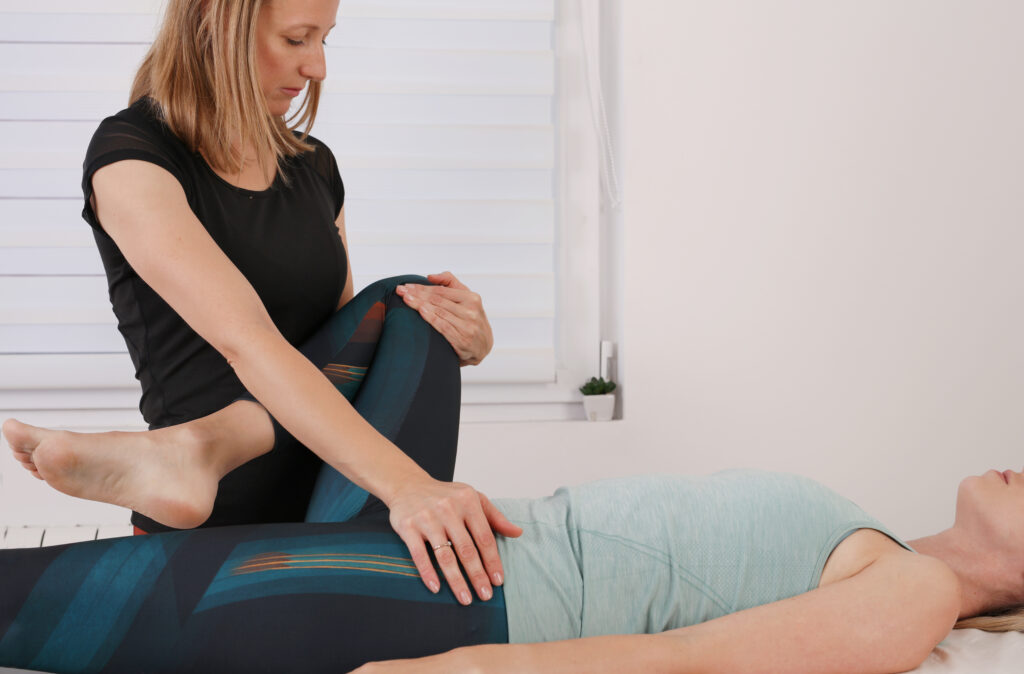
Today, we’re diving into a topic that may not always be openly discussed but is crucial for many individuals: pelvic floor therapy. If you’ve ever wondered, “Why do you need pelvic floor therapy?” stick around as we explore the importance and benefits of this specialized form of physical therapy.
How Do You Know If You Need Pelvic Floor Therapy?
Wondering whether pelvic floor therapy is right for you? Let’s explore some common signs that indicate a potential need for this specialized form of physical therapy:
- Urinary or Fecal Incontinence: If you struggle with bladder or bowel control, experiencing leakage or accidents, pelvic floor therapy may help strengthen the muscles responsible for maintaining continence.
- Chronic Pelvic Pain: Persistent discomfort in the pelvic region can be indicative of underlying muscle dysfunction or tension, which pelvic floor therapy aims to address through targeted interventions.
- Pain During Intercourse: Pain or discomfort during sexual activity can be a sign of pelvic floor dysfunction. Pelvic floor therapy can help alleviate this discomfort by addressing muscle imbalances and enhancing pelvic floor function.
- Difficulty Emptying the Bladder or Bowel Completely: Struggling to fully empty the bladder or bowel can indicate muscle weakness or coordination issues in the pelvic floor muscles, which pelvic floor therapy aims to improve.
- Pelvic Organ Prolapse: A sensation of pelvic heaviness or pressure, often accompanied by bulging or protrusion, may indicate pelvic organ prolapse. Pelvic floor therapy can help strengthen the pelvic floor muscles to provide support and alleviate symptoms.
- Pre and Postpartum Concerns: Pregnancy and childbirth can place significant strain on the pelvic floor muscles, leading to issues such as urinary incontinence, pelvic pain, or prolapse. Pelvic floor therapy can support women during pregnancy and aid in postpartum recovery.
Why Do You Need Pelvic Floor Therapy?
Now, let’s delve into the core question: why do you need pelvic floor therapy? Pelvic floor therapy focuses on strengthening and rehabilitating the muscles, ligaments, and connective tissues that support the pelvic organs. These muscles play a vital role in bladder and bowel control, sexual function, and stability of the pelvis and spine.
Through specialized exercises, manual therapy, and education, pelvic floor therapy aims to:
- Improve Muscle Function: Weak or tight pelvic floor muscles can lead to various issues, including incontinence and pelvic pain. Pelvic floor therapy targets these muscles to enhance their strength, coordination, and flexibility.
- Address Dysfunction: Dysfunction in the pelvic floor muscles can result from childbirth, surgery, injury, or chronic conditions. Pelvic floor therapy helps address these dysfunctions, allowing for better control and function of the pelvic region.
- Enhance Quality of Life: By addressing pelvic floor issues, individuals can experience significant improvements in their quality of life. Whether it’s reducing pain, restoring continence, or enhancing sexual function, pelvic floor therapy can make everyday activities more comfortable and enjoyable.
- Prevent Future Problems: Pelvic floor therapy isn’t just about addressing current issues—it’s also about preventing future problems. By strengthening and optimizing pelvic floor function, individuals can reduce their risk of developing pelvic floor disorders later in life.
By investing in pelvic floor therapy, you can take proactive steps towards improving your pelvic health and overall well-being. Whether you’re dealing with specific pelvic floor issues or simply want to optimize your pelvic health, pelvic floor therapy can provide valuable benefits that extend far beyond symptom relief.
What is The Goal Of Pelvic Floor Therapy?
The primary goal of pelvic floor therapy is to restore optimal function and strength to the pelvic floor muscles. By achieving this, individuals can experience improvements in bladder and bowel control, reduced pelvic pain, enhanced sexual function, and overall better quality of life. Additionally, pelvic floor therapy aims to empower individuals with the knowledge and tools they need to maintain pelvic health long-term.
How Long Does it Take for Pelvic Floor PT to Work?
The timeline for experiencing improvements from pelvic floor therapy can vary depending on individual factors such as the severity of symptoms, adherence to treatment, and overall health. While some individuals may notice improvements within a few sessions, others may require more time to achieve their goals.
But here’s the deal – patience is key. Stick with your treatment plan, keep up with your exercises at home, and trust the process. Before you know it, you’ll be feeling like a whole new you – confident, comfortable, and in control.
Pelvic Floor Physical Therapy in Pennsylvania
At Core3 Physical Therapy, we’re proud to offer top-notch pelvic floor therapy services at multiple locations across the state, including Hatfield, East Norriton, Chalfont, and Limerick. We’ve got you covered no matter where you are!
Our team of skilled and caring therapists is ready to guide you through your pelvic health journey. Whether you’re dealing with postpartum concerns, pelvic pain, or just want to optimize your pelvic health, we’re here to support you every step of the way.
So, why do you need pelvic floor therapy? It’s simple – because your pelvic health matters. Whether you’re dealing with leaks, pains, or just want to feel more confident in your body, pelvic floor therapy can make a world of difference.
By investing in your pelvic health, you’re investing in yourself. You’re saying yes to a life free from discomfort and limitations, and yes to a future full of confidence and vitality. So, don’t wait any longer – take the first step towards better pelvic health today.
And where better to start than with Core3 Physical Therapy? Contact us today and schedule your pelvic floor therapy appointment. Your pelvic health journey starts here – and we’ll be with you every step of the way.
