
Many of our patients look forward to spring planting season in Bucks and Montgomery Counties all winter. The best way to prevent gardening injuries is to treat yard work like the physical activity it is: warm up first, pace yourself, and protect the joints that do the most work. Pushing a mower, moving wheelbarrows, and carrying heavy bags of mulch or soil can take a real toll on your body, especially after a few quiet months indoors.
The tips below are general information from our physical therapists, not a personal diagnosis or treatment plan. If you have an existing injury, ongoing pain, or a health condition, check with your physician and a licensed physical therapist before taking on a big garden project.
Why Does My Body Hurt So Much After Gardening?
Gardening asks more of your body than it seems. A few hours of digging, weeding, and hauling combine bending, twisting, kneeling, and lifting, often while you hold the same position for long stretches. After a less active winter, the muscles in your back, legs, shoulders, and forearms may not be ready for that workload yet.
Most next-day soreness comes from a mix of three things: starting without a warm-up, repeating the same motion for too long, and working in awkward positions, like bending at the waist to weed or reaching overhead to prune. Mild muscle soreness that fades in a day or two is common after a busy day in the yard. Pain that is sharp, lingers, or gets worse each time you garden is a sign your body needs a closer look.
Common Gardening Injuries
Most gardening injuries develop gradually from overuse rather than from a single accident. The ones our physical therapists see most often include:
- Lower back strain from lifting bags of soil or mulch, shoveling, and bending over beds for long periods
- Knee and hip pain from kneeling on hard ground or squatting to plant and weed
- Tendonitis in the wrists and elbows from repetitive pruning, clipping, and gripping tools
- Shoulder strain from raking, overhead pruning, and pushing a heavy mower or wheelbarrow
Knowing where these problems come from makes it much easier to prevent gardening injuries before they slow you down.
How to Prevent Gardening Injuries Before They Start
Most gardening aches come from a few predictable habits: starting cold, repeating the same motion for too long, and putting extra load on the knees, hips, and spine. Small changes to how you work can make a meaningful difference.
Warm Up
Warming up is not just for workouts; it’s important before gardening as well. Try a quick walk around the yard and a few gentle movements for your shoulders, back, and hips before you pick up a tool. Our article on whether it’s important to stretch before working out explains why easing into activity matters. A physical therapist at CORE 3 can recommend the right exercises for your body and individual health.
Avoid Repetitive Activities
Constant, repetitive movement can cause tendonitis in the wrists and elbows and strain your neck and back. Take frequent breaks from activities like pruning or clipping to help prevent gardening injuries from overuse. Also, try using a ladder or stool to bring the work closer to eye height so you don’t have to bend over for long periods.
Switch Up Your Activities
Give your body some rest by alternating between light and heavy jobs every 10 minutes. Try to avoid lifting heavy objects right after kneeling or bending, because tired muscles increase your chances of an injury.
Protect Your Knees, Hips, and Spine
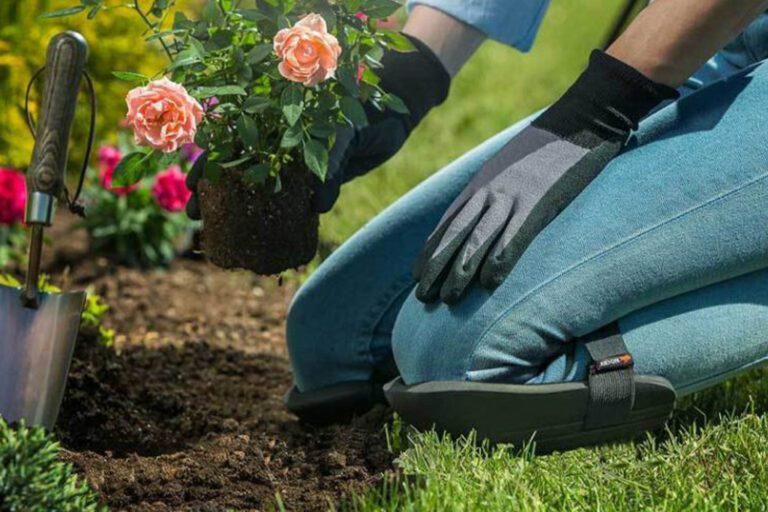
When kneeling to plant or weed, use a mat or kneepads. This helps you avoid bending from your hips and protects your knees. If you already have hip or knee pain, sitting on an overturned bucket or a low garden stool can take pressure off these areas.
When shoveling, use proper form to reduce the risk of a back injury. Move your feet to turn rather than twisting through your spine. Lift smaller amounts of material at a time, and use a long-handled spade to put less pressure on your back.
Work at a Comfortable Height With Good-Quality Tools
Flower beds and containers should sit at a comfortable height so you don’t have to bend and twist awkwardly to reach them. Keep your gardening tools in good shape and handle them safely. Lighter tools with padded handles can make your gardening easier and more manageable, especially if your hands or wrists tire quickly.
Gardening With Back, Knee, or Hip Pain
Living with knee, hip, or back pain doesn’t have to mean giving up your garden. Raised beds and container gardens bring your plants closer to you, so there’s less bending and kneeling. Garden stools, kneeler benches with handles, and long-handled tools let you work from a more upright position.
It also helps to break big projects into shorter sessions spread over several days instead of tackling everything in one weekend. If pain still makes gardening difficult, a physical therapist can look at how you move and recommend strength and mobility work that fits your body and your goals.
Frequently Asked Questions
Can I keep gardening if I have arthritis or joint pain?
Many people with arthritis or joint pain keep enjoying their gardens with a few adjustments, like raised beds, lighter tools, and frequent breaks. Because every condition is different, talk with your physician or physical therapist about which activities are right for you, especially if gardening tends to trigger a flare-up.
Should I stretch before or after gardening?
Both can help. Before gardening, focus on a gentle warm-up, like a short walk and easy movements for your shoulders, back, and hips. Afterward, light stretching can help you cool down. If stretching causes pain, stop and ask a physical therapist which movements are right for you.
When should I see a physical therapist for pain from gardening?
Consider scheduling an evaluation if pain lasts more than a few days, keeps returning each time you garden, or limits everyday activities like bending, walking, or sleeping. Numbness, tingling, swelling, or weakness are also good reasons to get checked by your physician or physical therapist. Seek prompt medical care for severe pain or an injury from a fall.
Get Ready for a Pain-Free Gardening Season With CORE 3
Your garden should be something you look forward to, not something you recover from. If last season left you with a sore back, stiff knees, or achy wrists, the weeks before planting are a good time to address it. Our board-certified specialists provide one-on-one orthopedic physical therapy and can help you build the strength and body mechanics yard work asks for.
With five clinics across Bucks and Montgomery Counties, there’s likely one close to your garden:
Hatfield: 1691 Bethlehem Pike, Hatfield, PA 19440 | 267-308-5330
East Norriton: 325 W. Germantown Pike, Ste. 105, East Norriton, PA 19403 | 267-534-7614
Chalfont: 100 Stewart Lane, Ste. 100, Chalfont, PA 18914 | 215-789-6543
Limerick: 536 North Lewis Rd, Limerick, PA 19468 | 484-938-5403
Warrington: 865 Easton Rd, Suite 190, Warrington, PA 18976 | 267-748-2081
Call the clinic nearest you or request an appointment with CORE 3 Physical Therapy, and we’ll help you get ready for a pain-free gardening season.
