
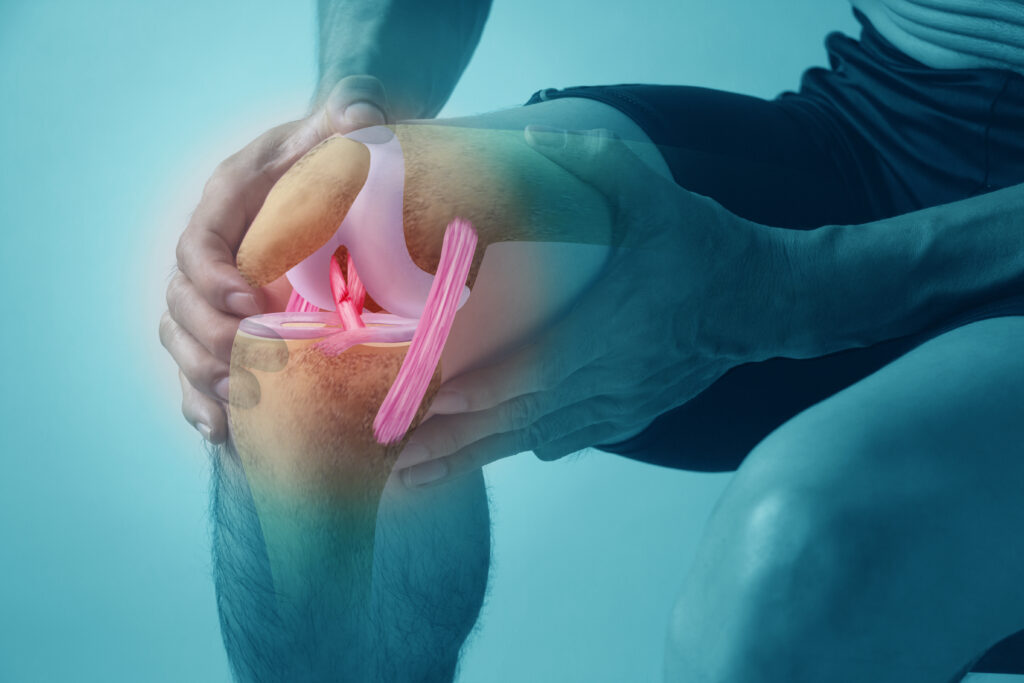
A meniscus tear is one of the most common knee injuries, affecting people of all ages and activity levels. Whether it’s caused by a sports injury, an awkward twist, or simply wear and tear over time, a torn meniscus can lead to pain, swelling, and reduced mobility. The good news? With the right treatment, most people recover fully and return to their favorite activities. But what is the best treatment for a meniscus tear? Let’s explore your options and what to expect on the road to recovery.
Can a Torn Meniscus Heal with Therapy?
Yes, in many cases, a torn meniscus can heal with physical therapy—especially if the tear is small or located in a part of the meniscus with a good blood supply (often called the “red zone”). Physical therapy focuses on strengthening the muscles around your knee, improving flexibility, and reducing pain and inflammation.
Your physical therapist will design a personalized program that may include:
- Range of Motion Exercises: To keep your knee flexible.
- Strength Training: Targeting the quadriceps, hamstrings, and hip muscles to stabilize the knee.
- Balance and Proprioception Work: Helping you regain coordination and prevent future injuries.
- Manual Therapy: Techniques like soft tissue mobilization can improve circulation and reduce stiffness.
For many patients, physical therapy not only helps the meniscus heal but also prevents the need for surgery. However, this depends on the severity and location of the tear.
What Not to Do with a Torn Meniscus?
When you’re dealing with a meniscus tear, knowing what to avoid is just as important as knowing what to do. Here are some things to steer clear of:
- Ignoring the Pain: Pushing through the pain can make the injury worse. Listen to your body.
- High-Impact Activities: Running, jumping, or squatting deeply can place excessive stress on the knee and aggravate the tear.
- Twisting Movements: Sports or activities that involve quick pivots can further damage the meniscus.
- Skipping Warm-Ups and Cool-Downs: These are essential for protecting your knee as it heals.
- Self-Diagnosing and Treating: Knee injuries can be tricky. Consulting with a physical therapist ensures you get the right treatment plan.
Taking these precautions can prevent additional damage and speed up your recovery.
What is the Best Treatment for a Meniscus Tear?
When focusing on physical therapy as the primary treatment, it stands out as one of the most effective, non-surgical options for many types of meniscus tears. Physical therapy addresses pain, promotes healing, and restores knee function without the risks associated with surgery.
Why is physical therapy effective for meniscus tears?
- Pain and Inflammation Management:
Early in treatment, physical therapists focus on reducing swelling and pain through gentle exercises, manual therapy, and modalities like ice and compression. This helps restore comfort and prepares the knee for strengthening. - Restoring Range of Motion:
After a tear, stiffness is common. Physical therapy incorporates stretching and mobility exercises to regain full movement of the knee. Gentle movements help prevent scar tissue buildup and improve flexibility. - Strengthening the Knee and Surrounding Muscles:
A strong support system around the knee is vital. Therapists focus on strengthening the quadriceps, hamstrings, glutes, and hip muscles to stabilize the knee and offload pressure from the injured meniscus. Exercises like leg raises, bridges, and resistance band work are commonly used. - Improving Balance and Proprioception:
Meniscus tears can impact your sense of balance and stability. Physical therapists introduce balance exercises, like single-leg stands or the use of balance boards, to retrain your body and prevent future injuries. - Functional Training:
The goal of physical therapy is not just healing but returning you to daily life or sports activities safely. Functional training mimics real-life movements, helping you transition back to walking, running, or athletic activities without pain.
When is physical therapy the best option?
Physical therapy is most effective for:
- Small to moderate tears, especially in the outer “red zone” where blood flow aids healing.
- Degenerative tears caused by wear and tear, common in older adults.
- Patients aiming to avoid or delay surgery, especially if the knee remains stable.
In many cases, physical therapy can help you avoid surgery altogether, providing a safe, effective path to recovery. Even when surgery is necessary, pre- and post-operative physical therapy plays a crucial role in improving outcomes and speeding up healing.
How Long Does It Take for a Torn Meniscus to Heal with Physical Therapy?
Recovery from a torn meniscus through physical therapy varies based on the severity of the tear, your age, and overall knee health. Generally, physical therapy can offer excellent results without surgery, but patience and consistency are key.
Typical Recovery Timelines:
- Minor Tears:
Small tears often heal within 4 to 6 weeks with dedicated physical therapy. During this time, therapy focuses on reducing inflammation, improving mobility, and gradually rebuilding strength around the knee. - Moderate Tears:
These may require 6 to 12 weeks of therapy. The process includes targeted exercises to strengthen the muscles supporting the knee, improve balance, and restore full range of motion. - Degenerative Tears:
For tears due to wear and tear, especially in older adults, the focus is on managing symptoms and improving function. This may involve an ongoing therapy program spanning several months, depending on pain levels and mobility goals. - Post-Surgical Recovery:
If surgery becomes necessary, physical therapy plays a crucial role in post-op rehab. Recovery time ranges from 3 to 6 months, depending on whether you had a meniscectomy (removal of the damaged tissue) or a full meniscus repair (which requires a longer healing period).
What to Expect During Physical Therapy:
- Early Phase (Weeks 1-3): Focus on reducing swelling, managing pain, and restoring basic range of motion.
- Mid-Phase (Weeks 4-8): Strength training for the quadriceps, hamstrings, hips, and glutes to support the knee.
- Advanced Phase (Weeks 9+): Functional training to prepare for daily activities or sports, including balance exercises and agility drills.
Attending all therapy sessions and doing home exercises as prescribed greatly improves the chances of a full recovery. Most patients notice steady progress in strength and flexibility within the first few weeks, with a gradual return to normal activities over the following months.
Meniscus Tear Treatment in Bucks County
If you’re seeking expert meniscus tear treatment in Bucks County, Core 3 Physical Therapy is here to help. Our team specializes in non-surgical, personalized treatment plans designed to get you back on your feet—pain-free and stronger than before.
At Core 3, we focus on:
- Customized Physical Therapy Plans: We assess your specific injury and create a tailored program that addresses your needs, whether it’s a minor tear or a more complex injury.
- Hands-On, Patient-Focused Care: Our therapists work closely with you, using manual therapy techniques combined with targeted exercises to promote healing and restore knee function.
- A Holistic Approach to Recovery: We don’t just treat the tear; we strengthen the surrounding muscles, improve your balance, and ensure you’re set up for long-term knee health.
Whether you’re an athlete wanting to get back on the field or someone simply looking to walk without pain, our goal is to help you heal safely and effectively—without rushing into surgery unless absolutely necessary.
Why Choose Core 3 Physical Therapy for Meniscus Tear Treatment?
- Experienced therapists with a focus on orthopedic injuries
- Personalized, one-on-one care in a supportive environment
- Evidence-based techniques to speed up healing and prevent future injuries
- Conveniently located in Bucks County, making it easy to access expert care close to home
Ready to Start Your Recovery?
If you’re wondering what is the best treatment for a meniscus tear and want a non-surgical approach that works, contact Core 3 Physical Therapy today. Our team is ready to help you heal, move better, and get back to doing the things you love.
