
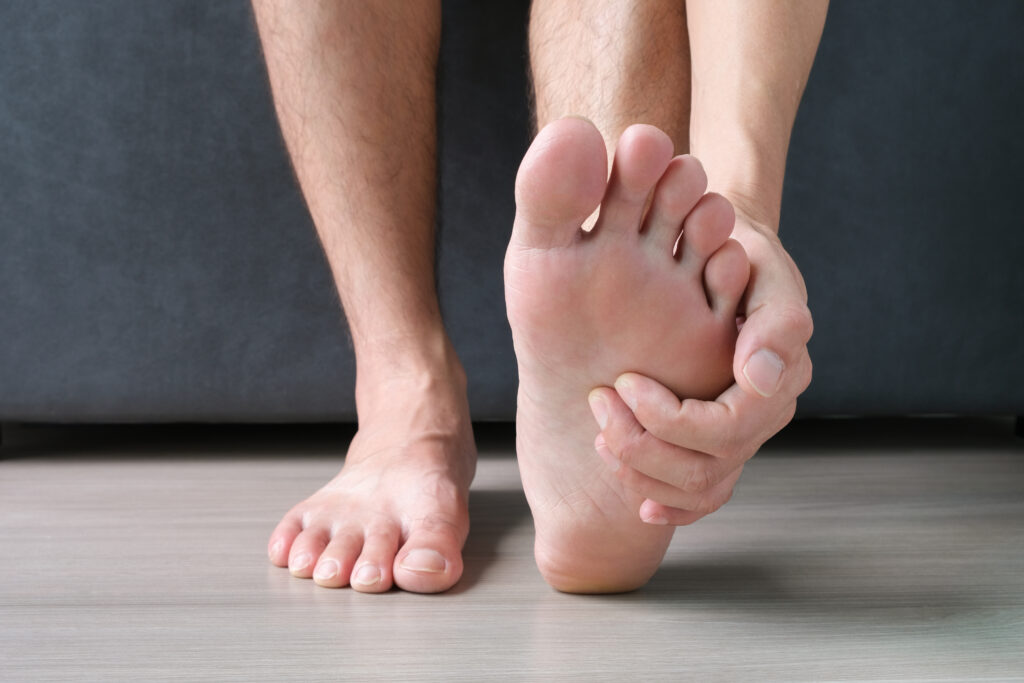
Plantar fasciitis can make every step feel like a challenge, but the right exercises can help reduce pain and improve mobility. If you’re wondering, “what exercise can I do with plantar fasciitis?” you’re in the right place. The key is focusing on stretches and movements that relieve tension in the plantar fascia and strengthen the surrounding muscles. In this article, we’ll explore the best exercises to manage plantar fasciitis and how you can take the first steps toward recovery.
What Exercise Can I Do With Plantar Fasciitis?
When dealing with plantar fasciitis, the goal is to reduce strain on the plantar fascia while improving flexibility and strength in your feet and calves. If you’re asking, “what exercise can I do with plantar fasciitis?”, here are a few highly recommended options:
1. Calf Stretch
This simple stretch helps loosen tight calf muscles, which can alleviate stress on the plantar fascia. Here’s how to do it:
- Stand facing a wall with your hands on the wall at shoulder height.
- Step one foot back, keeping it straight with your heel on the ground.
- Bend your front knee slightly and lean into the stretch until you feel a gentle pull in your calf.
- Hold for 20-30 seconds and switch sides.
2. Towel Stretch
The towel stretch targets the plantar fascia directly and is great for reducing morning pain:
- Sit on the floor with your legs extended in front of you.
- Wrap a towel or resistance band around the ball of your foot.
- Pull the towel gently toward you until you feel a stretch along the arch of your foot.
- Hold for 15-30 seconds and repeat on the other foot.
3. Rolling Massage
Using a tennis ball or a frozen water bottle, you can massage the bottom of your foot to relieve tension:
- Place the ball or bottle under your foot while sitting.
- Roll it back and forth from the heel to the ball of your foot for about 2-3 minutes on each side. This exercise is particularly helpful for easing stiffness in the morning.
4. Toe Stretch
This exercise strengthens the muscles in your toes, providing better support for the plantar fascia:
- Sit on a chair and cross one leg over the other.
- Use your hand to gently pull back your toes toward your shin until you feel a stretch in the arch.
- Hold for 10-15 seconds and repeat a few times.
All these exercises can be easily incorporated into your daily routine to manage pain and support recovery. Remember, consistency is key, and always stop if an exercise worsens your symptoms. Let’s now explore whether rest or movement is better for managing plantar fasciitis.
If you prefer a visual guide, check out our full video on YouTube!
Is It Better to Rest or Walk with Plantar Fasciitis?
When experiencing plantar fasciitis, striking the right balance between rest and movement is crucial. While rest can help reduce inflammation during acute flare-ups, completely avoiding activity might lead to stiffness and delayed recovery.
Rest: When It’s Necessary
In the initial stages of plantar fasciitis or after a particularly painful day, short-term rest is beneficial. This can include:
- Staying off your feet to allow the inflamed tissue to recover.
- Using ice packs to reduce swelling and alleviate pain.
- Elevating your feet to improve circulation and promote healing.
Walking: Proceed with Caution
Walking can actually help maintain blood flow and reduce stiffness, but it’s important to take it slow:
- Stick to soft surfaces or wear supportive footwear with cushioning and arch support.
- Limit your walking time, especially if it leads to increased pain.
- Combine walking with stretches like the towel or calf stretch to reduce tension.
The Balance Between Rest and Activity
It’s best to alternate between rest and low-impact activities. Gentle exercises, such as the rolling massage or toe stretch, can help reduce discomfort while keeping the plantar fascia mobile. Always pay attention to your body—if walking or exercising worsens your symptoms, give yourself time to rest.
Plantar Fasciitis Exercises to Avoid
While certain exercises can help alleviate plantar fasciitis pain, others might make it worse by placing excessive strain on the plantar fascia. Knowing what to avoid is just as important as knowing the best exercises for plantar fasciitis. Here are some movements to steer clear of during your recovery:
1. High-Impact Activities
Running, jumping, or any high-impact sports can worsen inflammation and delay healing. These activities place significant pressure on the heel and arch, which can aggravate the condition.
2. Barefoot Exercises
Walking or exercising barefoot, especially on hard surfaces, provides little to no support for your arches and can strain the plantar fascia. Always wear shoes with proper cushioning and arch support.
3. Deep Squats or Lunges
Movements that require deep bending of the knees can increase stress on the heels and arches. These exercises can overstretch the plantar fascia, especially if done without proper technique or footwear.
4. Toe-Lifting with Weights
Adding resistance to toe-lifting exercises can overstress the small muscles in your foot. Stick to bodyweight exercises until the pain subsides and strength improves.
5. High-Intensity Cardio
Activities like Zumba, aerobics, or fast-paced dance workouts can exacerbate plantar fasciitis due to their repetitive, high-impact movements. Opt for low-impact alternatives like swimming or cycling.
6. Modify, Don’t Skip
If certain exercises are part of your usual fitness routine, consider modifying them to reduce strain on your feet. For example, replace running with walking or elliptical training. Avoid pushing through pain, as this could lead to further injury.
Plantar Fasciitis Treatment in Bucks County, PA
Dealing with plantar fasciitis can feel frustrating, especially when it interferes with your daily life. At Core3 PT, we specialize in providing effective plantar fasciitis treatment in Bucks County. If you’ve been wondering, “what exercise can I do with plantar fasciitis?”, our team can guide you through a tailored program that combines effective exercises, manual therapy, and supportive treatments.
Our clinics are conveniently located to serve you:
- Chalfont Clinic: 100 Stewart Lane, Chalfont, PA 18914. Phone: 215-789-6543.
- Hatfield Clinic: 1691 Bethlehem Pike, Hatfield, PA 19440. Phone: 267-308-5330.
- East Norriton Clinic: 325 W. Germantown Pike Ste. 105, East Norriton, PA 19403. Phone: 267-534-7614.
- Limerick Clinic: 536 North Lewis Rd, Limerick, PA 19468. Phone: 484-938-5403.
Each location is equipped with state-of-the-art facilities and a team of experienced therapists dedicated to your recovery.
For more information or to schedule an appointment, please visit our Locations Page.
Plantar fasciitis can be a persistent and painful condition, but with the right approach, recovery is within reach. Incorporating appropriate exercises into your daily routine can significantly alleviate symptoms and promote healing. Remember to avoid high-impact activities and exercises that strain the plantar fascia, as they can exacerbate the condition. Balancing rest with gentle, targeted movements is key to managing pain and facilitating recovery.
