
Sports Hernia Physical Therapy Treatment: How to Recover Stronger
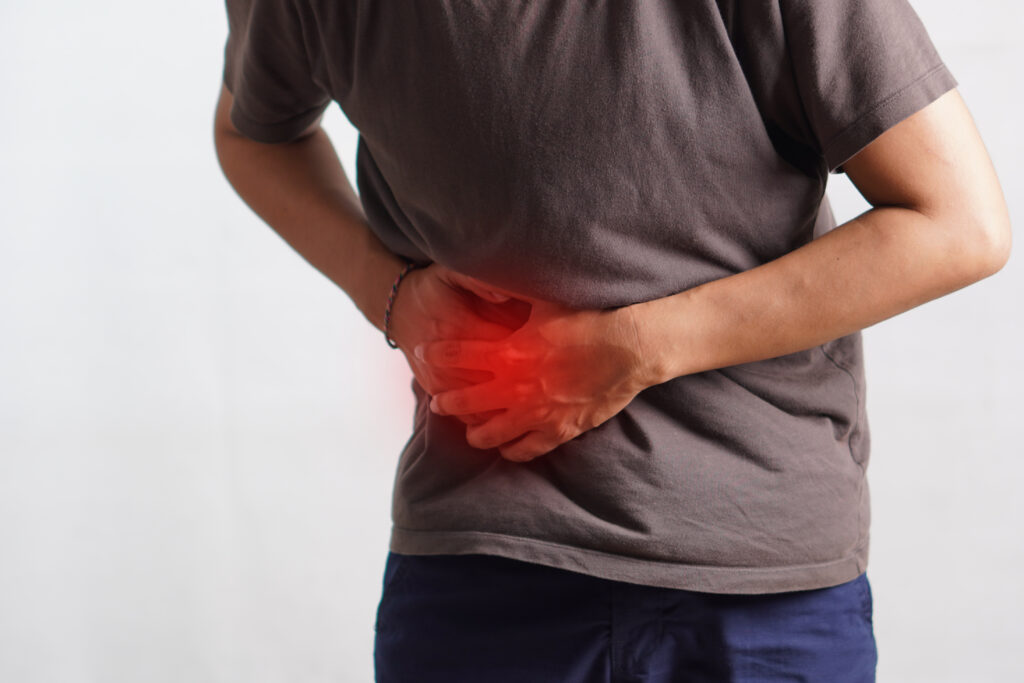
A sports hernia can be frustrating, confusing, and painful—especially when it keeps you from moving the way you want to. Despite the name, a sports hernia is not a true hernia. It’s a strain or tear in the muscles or tendons of the lower abdomen or groin, often caused by repetitive twisting, sprinting, or sudden directional changes.
The good news? For many people, sports hernia physical therapy treatment is a highly effective, non-surgical way to reduce pain, restore strength, and safely return to activity. In this article, we’ll walk through what a sports hernia is, how physical therapy helps, what treatment looks like, and what questions patients commonly ask.
Our goal is to give you clear, trustworthy information—so you can make confident decisions about your care.
What Is a Sports Hernia?
A sports hernia, also known as athletic pubalgia, usually develops from repeated stress on the core muscles where the abdomen and inner thigh meet. It’s most common in athletes who play sports that involve sprinting, kicking, pivoting, or quick changes in direction—like soccer, hockey, football, and tennis.
Common symptoms include:
Groin or lower abdominal pain that worsens with activity
Pain when twisting, sprinting, or changing direction
Discomfort when coughing or sneezing
Pain that improves with rest but returns when activity resumes
Because sports hernias don’t always show up clearly on imaging, they are sometimes misunderstood or mistaken for other conditions. That’s why a thorough physical therapy evaluation is so important.
How Sports Hernia Physical Therapy Treatment Helps
Sports hernia physical therapy treatment focuses on treating the root cause of the pain—not just the symptoms. Rather than pushing through discomfort or relying only on rest, physical therapy helps the body heal properly and move more efficiently.
Physical therapy can help by:
Reducing pain and inflammation
Improving core strength and stability
Restoring balanced movement between the hips, pelvis, and spine
Addressing muscle imbalances that may have caused the injury
Helping you safely return to sports or daily activity
For many patients, physical therapy is the first and most effective step before considering more invasive options.
Physical Therapy for Sports Hernia Rehabilitation: What to Expect
Every sports hernia is different, which means treatment should never be one-size-fits-all. Physical therapy for sports hernia rehabilitation begins with a detailed evaluation to understand how your body moves, where weakness or strain exists, and what activities trigger your pain.
Your plan may include:
Gentle core and pelvic stabilization exercises
Hip and lower body strengthening
Mobility work to improve flexibility without aggravation
Guided progression back to sport-specific movements
Education on posture, movement patterns, and injury prevention
The goal isn’t just to help you feel better temporarily—it’s to help you move confidently and safely long-term.
When Should You Start Physical Therapy?
Early care often leads to better outcomes. If groin or lower abdominal pain has lasted more than a few weeks, keeps coming back, or limits your activity, it’s a good time to seek professional guidance.
Starting sports hernia physical therapy treatment early can:
Prevent the injury from becoming chronic
Reduce the likelihood of needing surgery
Shorten recovery time
Help you return to activity more safely
At Core 3 Physical Therapy, our therapists are Direct Access Certified, meaning you don’t need a physician referral to begin care.
Is Surgery Always Necessary for a Sports Hernia?
Not always. Many people successfully recover with sports hernia physical therapy treatment alone, especially when care begins early and follows a structured plan.
Physical therapy is often recommended:
Before considering surgery
After surgery to support recovery and prevent re-injury
For individuals who want a conservative, movement-focused approach
If surgery is needed, physical therapy still plays a key role in helping patients rebuild strength, mobility, and confidence afterward.
Common Questions About Sports Hernia Physical Therapy Treatment
Will physical therapy be painful?
Therapy should challenge the body, but it should not cause sharp or worsening pain. Your therapist will adjust exercises to keep you safe and comfortable while still making progress.
Can I keep exercising during treatment?
In many cases, yes—with modifications. Your therapist will guide you on what activities are safe and which ones should be paused temporarily.
What if I’ve had pain for months?
Even long-standing symptoms can improve with the right approach. A thoughtful physical therapy plan can still make a meaningful difference.
How Long Does Recovery Take?
Recovery time varies depending on the severity of the injury, how long symptoms have been present, and how consistently therapy is followed. Some patients notice improvement within a few weeks, while others may need a longer rehabilitation period.
What matters most is progress—not rushing the process. Physical therapy for sports hernia rehabilitation is designed to move at the right pace for your body, reducing setbacks and supporting lasting results.
Physical Therapy Clinic for Sports Hernia Rehabilitation
Choosing the right clinic matters, especially when you’re dealing with ongoing groin or lower abdominal pain. At Core 3 Physical Therapy, care is personal, thorough, and focused on helping you feel supported and confident from your very first visit.
We offer sports hernia rehabilitation at five convenient in-person clinic locations, along with telehealth options for added flexibility:
Hatfield, PA
1691 Bethlehem Pike, Hatfield, PA 19440East Norriton, PA
325 W. Germantown Pike, Suite 105, East Norriton, PA 19403Chalfont, PA
100 Stewart Lane, Chalfont, PA 18914Limerick, PA
536 North Lewis Road, Limerick, PA 19468Warrington, PA
865 Easton Road, Suite 190, Warrington, PA 18976Telehealth Physical Therapy
Available for patients who need remote physical therapy or more flexible scheduling
Each Core 3 location provides one-on-one care with licensed physical therapists who take the time to understand your goals, daily activities, and concerns. Treatment plans are never rushed or generic—care is always tailored to your body and your recovery.
Moving Forward with Confidence
Living with groin or lower abdominal pain can be discouraging—but you don’t have to navigate it alone. With the right guidance, sports hernia physical therapy treatment can help you return to movement with confidence, comfort, and strength.
At Core 3 Physical Therapy, care is never rushed. We focus on education, clear communication, and personalized treatment—so you always know what’s happening and why.
If you’re ready to take the next step, physical therapy may be the supportive, effective solution you’ve been looking for.

Hatfield
1691 Bethlehem Pike
Hatfield, PA 19440
Phone: 267-308-5330
Fax: 267-308-5331
Chalfont
100 Stewart Ln,
Chalfont, PA 18914
Phone: 215-789-6543
Fax: 215-789-6544
East Norriton
325 West Germantown Pike, Suite 105
East Norriton, PA, 19403
Phone: 267-534-7614
Fax: 267-534-7615
Limerick
536 North Lewis Rd
Limerick, PA, 19468
Phone: 484-938-5403
Fax: 484-938-5164