
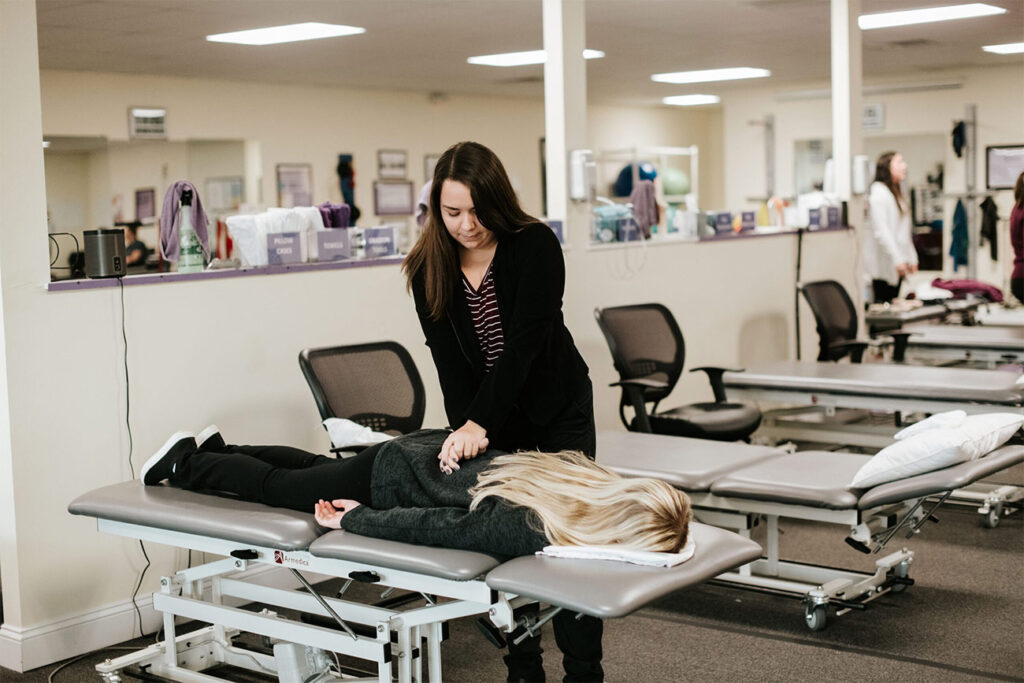
If you’ve been told you have a herniated disc—or think you might—it’s completely normal to feel overwhelmed. The pain can be sharp, persistent, or even radiate down your legs or arms. But here’s the good news: spinal disc herniation physical therapy can make a real difference in your recovery.
Whether you’re trying to avoid surgery or need help healing after one, physical therapy offers safe, effective options. At Core 3 Physical Therapy in Chalfont, we help people every day get back to doing the things they love—without pain holding them back.
Can You Fix a Herniated Disc With Physical Therapy?
Yes, in many cases, you absolutely can. A herniated disc happens when the soft center of a spinal disc pushes out through a crack in the tougher exterior. It can press on nearby nerves and cause pain, numbness, or weakness. But it doesn’t always mean surgery. Spinal disc herniation physical therapy focuses on helping your body heal naturally. By improving your posture, strengthening supportive muscles, and restoring movement in your spine, many patients find relief without needing invasive treatments. In fact, physical therapy is often the first treatment recommended by doctors for spinal disc herniation recovery. With the right exercises, education, and hands-on care, we’ve seen patients make great progress—sometimes within weeks.What Causes Spinal Disc Herniation?
A herniated disc doesn’t usually happen out of nowhere. It’s often the result of small stressors building up over time—until one day, something gives. Understanding the causes can help you feel more in control of your recovery and even prevent future issues. Here are the most common causes we see at our Chalfont clinic:-
Age-Related Disc Degeneration
-
Repetitive Strain or Poor Ergonomics
-
Sudden Injury
-
Genetics and Lifestyle
What Is the Fastest Way to Heal a Herniated Disc?
There’s no magic trick to healing fast, but consistency and the right treatment plan make all the difference. The fastest—and safest—way to heal a herniated disc usually includes:- Restoring gentle movement: Staying completely still can actually make things worse. Carefully guided movement helps reduce inflammation and stiffness.
- Targeted exercises: Your physical therapist will teach you movements that support your spine, ease nerve pressure, and strengthen your core.
- Postural education: Learning how to sit, stand, sleep, and lift with good posture can prevent further injury and speed up your recovery.
- Manual therapy: Hands-on techniques can reduce muscle tension and improve mobility.
- Consistency: Healing takes time. Showing up for your sessions and doing your home exercises is key.
Spinal Disc Herniation Surgery Recovery
Sometimes, surgery is necessary—especially if pain is severe or there’s significant nerve involvement. But even then, physical therapy plays a critical role in spinal disc herniation recovery. After surgery, it’s common to feel sore, stiff, or hesitant to move. That’s where we come in. Your therapist will guide you through safe movements to:- Regain strength and flexibility
- Protect the healing tissues
- Reduce scar tissue formation
- Improve overall mobility
- Prevent future injury
How Physical Therapy Helps at Each Stage of Recovery
If you’re new to physical therapy—or just unsure what it involves—it helps to understand how it supports healing at every phase. Whether you’re dealing with intense pain or starting to feel better and want to stay that way, spinal disc herniation physical therapy meets you where you are. Here’s how the process typically works:-
Acute Phase (0–2 weeks): Focus on Reducing Pain
- Gentle positioning to relieve pressure on the disc
- Ice or heat to manage inflammation
- Education on safe movement and rest positions
- Light stretching and breathing techniques to promote circulation
-
Subacute Phase (2–6 weeks): Regaining Motion & Control
- Guided exercises to gently restore spinal mobility
- Core stabilization work (especially for lumbar herniations)
- Postural training for sitting, standing, and walking
- Light resistance or bodyweight exercises
-
Recovery & Prevention Phase (6+ weeks): Building Strength for the Long Term
- Progressive strength training (glutes, back, core)
- Balance and coordination work
- Return-to-activity planning (work, sports, hobbies)
- Education on lifestyle changes, body mechanics, and ergonomics
Spinal Disc Herniation Physical Therapy in Chalfont
At Core 3 Physical Therapy in Chalfont, we specialize in treating back pain and spinal conditions—including herniated discs. We’ve helped many patients just like you return to work, hobbies, and daily life without pain running the show. What makes our approach different?- 1-on-1 care: Every visit, you work directly with your licensed physical therapist—no handoffs or crowded gyms.
- Personalized programs: Your body is unique. We tailor every treatment plan to your specific symptoms, lifestyle, and goals.
- Whole-person focus: Pain doesn’t exist in isolation. We look at posture, movement habits, stress, and other factors that impact healing.
- Pelvic floor and spine expertise: Especially important if your herniated disc is affecting bladder function or causing radiating symptoms.