
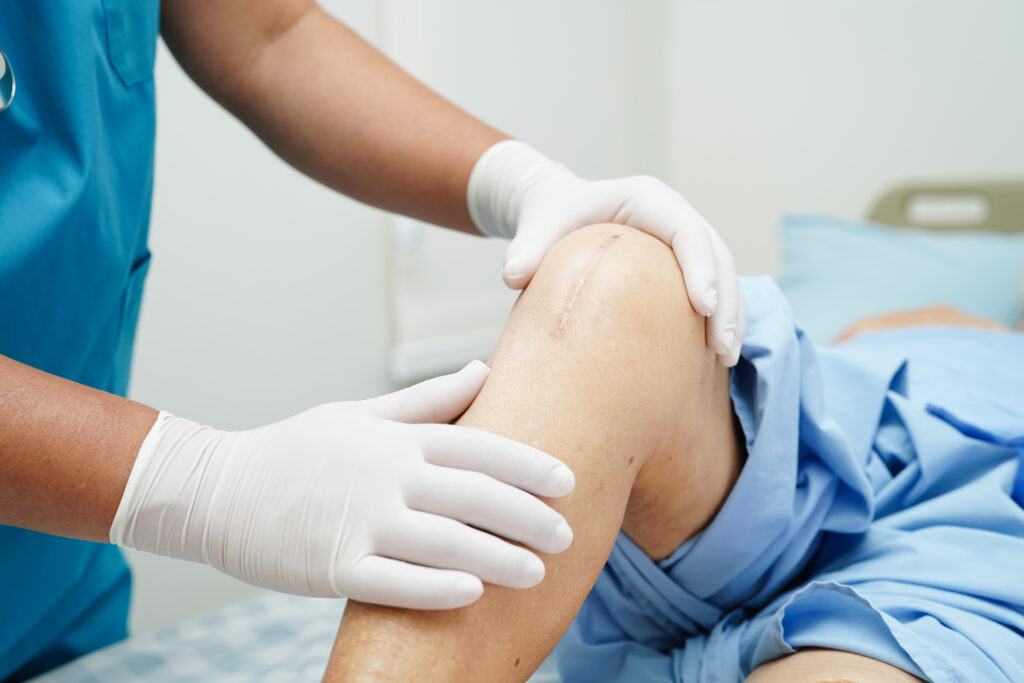
A total knee replacement can be a turning point—one that brings you back to walking, bending, and living more comfortably. But surgery is just the beginning. The real progress comes from what happens afterward, especially the post op exercises for knee replacement that build strength, restore motion, and get you back to doing what you love.
In this article, we’ll answer common questions about recovery, explore the best exercises, and show you how physical therapy can guide you every step of the way. If you’re searching for trustworthy advice or looking for physical therapy in Montgomery County, you’re in the right place.
What Is the Fastest Way to Recover from a Knee Replacement?
The fastest way to recover from a knee replacement is by sticking to a structured plan that includes daily movement, rest when needed, and professional guidance. While there’s no instant fix, a strong recovery starts with understanding the importance of post op exercises for knee replacement.
Some helpful strategies include:
- Exercises before total knee replacements
- Starting physical therapy early – often within a few days of surgery.
- Doing your post op exercises for knee replacement consistently at home.
- Using ice and elevation to manage swelling and pain.
- Staying positive and realistic about your healing timeline.
Your recovery won’t look like anyone else’s, and that’s okay. What matters most is progress—one small step at a time.
What Is the Best Exercise After a Total Knee Replacement?
The best post op exercises for knee replacement are the ones that rebuild your strength and range of motion without putting too much stress on the joint. Your physical therapist will help you safely work toward goals like walking, climbing stairs, and getting in and out of a chair comfortably.
Some of the most effective post op exercises for knee replacement include:
- Heel slides – gently bending your knee to improve flexibility.
- Quad sets – tightening the thigh muscles to stabilize the knee.
- Straight leg raises – helping you rebuild strength in the leg.
- Knee extensions – improving your ability to fully straighten the joint.
- Step-ups – helping you return to daily activities like stairs.
All of these movements play a big part in getting you back to steady movement, and they’re all part of a smart physical therapy plan.
Post Op Exercises for Knee Replacement
Let’s break down what post op exercises for knee replacement look like in real life. Most recovery plans happen in phases, so you’re never doing too much too soon.
Phase 1: Week 1–2 – Laying the Groundwork
These exercises are designed to get you moving safely and reduce stiffness.
- Ankle pumps to improve circulation
- Heel slides to begin bending the knee
- Passive knee extensions using a towel or gravity
- Quad sets to engage your thigh muscles early on
Phase 2: Week 2–6 – Rebuilding Strength
Once you’ve gained some motion and confidence, you’ll add in strength-building exercises.
- Straight leg raises
- Standing knee bends
- Seated knee extensions
- Step-ups on a small platform
- Partial squats with support
These are all part of the essential group of post op exercises for knee replacement. They challenge the muscles around your new joint to support you through daily life.
Phase 3: Week 6 and Beyond – Getting Back to Normal
This stage focuses on more functional activities that mimic real movement.
- Balance training
- Walking on level surfaces and slopes
- Stair climbing
- Low-impact cardio like elliptical or stationary bike
Throughout all three phases, your physical therapist will be adjusting your post op exercises for knee replacement based on your strength, flexibility, and goals. You’re not in this alone.
How Long Should You Do Post Op Exercises for Knee Replacement?
There’s no one-size-fits-all answer, but here’s a general guide:
- First 6 weeks: You’ll be doing daily post op exercises for knee replacement with the support of your physical therapist.
- 6–12 weeks: You’ll begin more advanced strengthening and balance work.
- 3+ months: Some patients continue with maintenance exercises or transition to independent workouts.
Even when formal therapy ends, many patients continue doing certain exercises at home to stay strong and mobile.
The key is consistency. Skipping days or stopping too soon can slow down your progress or cause stiffness to return.
Common Mistakes to Avoid During Recovery
Recovering from knee replacement surgery takes time, but it also takes the right approach. Even with the best intentions, it’s easy to make mistakes that can slow your progress or cause unnecessary discomfort. The good news? These are avoidable.
Here are some of the most common missteps patients make—and how to stay on track:
Skipping Post Op Exercises for Knee Replacement
We get it—some days are harder than others. But consistency is key. Skipping your post op exercises for knee replacement, even just for a few days, can set your progress back. The muscles around your knee need frequent movement to rebuild strength and flexibility. If something hurts or doesn’t feel right, talk to your therapist—we can adjust your plan, not abandon it.
Doing Too Much, Too Soon
It’s great to be motivated—but pushing too hard can actually delay healing. Some patients try to fast-track recovery by doing extra reps or forcing movements before their body is ready. That can lead to swelling, setbacks, or even injury. Remember: steady and safe wins the race. Stick to your therapist-approved post op exercises for knee replacement and trust the process.
Ignoring Swelling and Pain
Some discomfort is normal—but pain is a signal that something may be off. Swelling, especially if it increases after exercise, is a sign your knee needs rest, ice, and elevation. Don’t ignore these signs. Your body’s telling you it needs a break, and honoring that is part of smart recovery.
Comparing Yourself to Others
Every recovery is different. Just because your neighbor was walking without a cane in two weeks doesn’t mean your timeline should be the same. Your age, activity level, health history, and even the type of knee implant can all influence how you progress. Focus on your own journey and keep showing up—your dedication will pay off.
Forgetting to Ask Questions
It’s okay not to know everything. If you’re unsure whether an exercise is working, or something feels off, ask your physical therapist. That’s what we’re here for. Understanding your post op exercises for knee replacement makes you more confident and more likely to stick with them.
Post Knee Replacement Physical Therapy in Montgomery County
At Core 3 Physical Therapy, we see how powerful movement can be for people recovering from surgery. Our Montgomery County team specializes in helping you return to walking, climbing stairs, and feeling like yourself again—through personalized post op exercises for knee replacement.
We understand that surgery is just one part of the process. What happens after—how you heal, how you move, how you live—is just as important.
That’s why we offer:
- One-on-one physical therapy sessions
- Tailored exercise plans to match your pace
- Supportive care that’s rooted in experience
- Convenient locations in Montgomery County: East Norriton and Limerick
Our mission is simple: help you move well, feel confident, and get back to your life.
Let Core 3 Help You Heal with Confidence
Knee surgery is a major step—but recovery doesn’t have to feel overwhelming. With the right support, a customized plan, and consistent post op exercises for knee replacement, you’ll be on your way to moving better and living fully.
At Core 3 Physical Therapy, we specialize in helping people just like you. Whether you’re preparing for surgery, just got home, or still feeling unsure about what comes next, we’re here to guide you with care and clarity.