
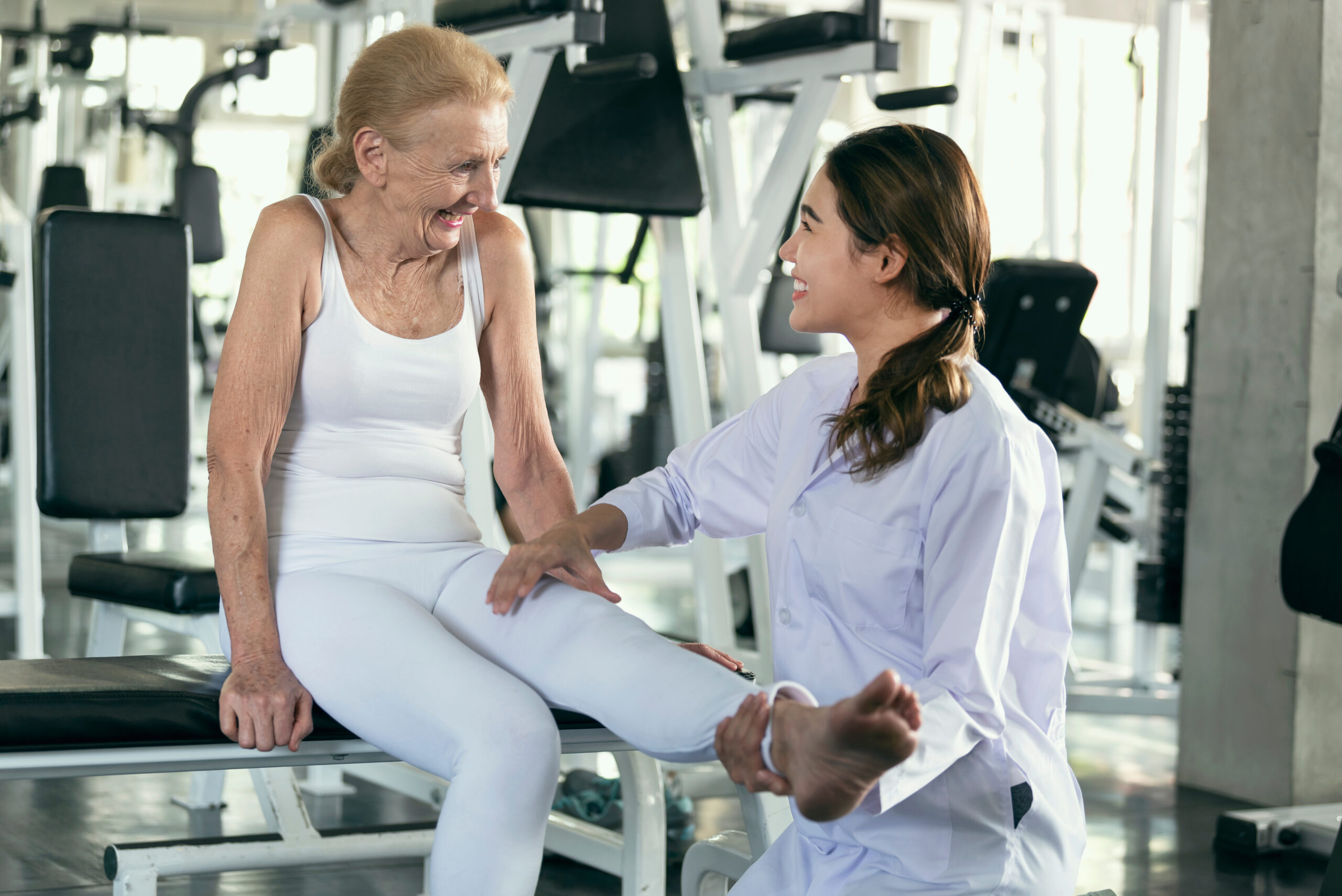
A stroke can turn life upside down in an instant. Whether it’s you or a loved one who has experienced it, the path to recovery can feel overwhelming. But one of the most supportive and effective steps in that journey is physical therapy for stroke rehabilitation.
At Core 3 Physical Therapy, we work with stroke survivors every day—helping them rebuild strength, confidence, and independence. In this article, we’ll walk you through how physical therapy helps after a stroke, what you can expect, and how to take the first step.
What Is Physical Therapy for Stroke Rehabilitation?
Physical therapy for stroke rehabilitation is a structured, personalized approach to help individuals regain mobility and function after a stroke. Strokes can impact muscle control, balance, coordination, and strength—sometimes on just one side of the body. Physical therapy helps retrain the brain and body through guided exercises and movement strategies.
The goal is simple: help stroke survivors regain as much independence as possible, whether that’s walking again, improving balance, or being able to move more safely at home.
How Does Physical Therapy Help After a Stroke?
The effects of a stroke can vary widely, but physical therapy focuses on improving:
- Mobility and walking
- Balance and coordination
- Muscle strength and endurance
- Posture and body awareness
- Functional independence (daily activities like getting dressed, climbing stairs, or cooking)
Here’s how stroke physical therapy makes that possible:
Rewiring the Brain Through Repetition
The brain is incredibly adaptable. After a stroke, other parts of the brain can sometimes take over functions that were lost. This is called neuroplasticity. Physical therapy uses repetitive, targeted exercises to encourage this process. With time and consistency, this can lead to real improvements in movement and function.
Building Confidence with Each Step
Stroke recovery isn’t just physical—it’s emotional too. Patients often feel discouraged by what they can’t do. A good physical therapy program focuses on progress, not perfection. Small wins lead to bigger ones, and with every session, patients often feel stronger and more in control.
Reducing the Risk of Falls and Future Injury
Balance issues are common after a stroke, increasing the risk of falls. Your physical therapist will work with you on exercises that improve your core strength, leg stability, and body awareness to help prevent accidents.
What Happens in a Stroke Physical Therapy Session?
No two stroke rehabilitation plans are the same—but here’s what you might expect in a typical session:
- Personalized assessment to understand your needs and abilities
- Guided movements and strength training for arms, legs, and core
- Balance and gait training (often using parallel bars, step-ups, or walking drills)
- Neuromuscular re-education, which helps your brain and muscles work together again
- Functional training, like sitting, standing, or transitioning between positions
As you progress, your therapist may adjust your program to include more advanced movements or introduce tools like resistance bands, balance boards, or even assistive technology.
How Long Does Stroke Rehabilitation Take?
This is one of the most common questions we hear, and the answer depends on several factors:
- The severity of the stroke
- The area of the brain affected
- How soon rehabilitation begins
- Your overall health and motivation
Some people may regain most of their mobility within a few months, while others continue therapy for a year or longer. Progress isn’t always linear, and there may be ups and downs. That’s normal—and our job is to help you keep moving forward with compassion and care.
Can Physical Therapy Help Long After a Stroke?
Yes. It’s never too late to start—or restart—physical therapy for stroke rehabilitation. Even if it’s been months or years since a stroke, therapy can still improve strength, coordination, and quality of life.
Many patients come to us after trying other therapies or after hitting a plateau in their recovery. We often find that with fresh eyes and a new plan, meaningful progress is still possible. If you’re wondering whether it’s worth trying again, the answer is often yes.
Common Concerns About Starting Stroke Physical Therapy
“I’m afraid I won’t get better.”
That fear is understandable. But small improvements—like walking a little farther, feeling more stable, or using your hand again—can make a big impact. Therapy is about building those moments step by step.
“What if I can’t do the exercises?”
You don’t need to be strong or flexible to start. We meet you exactly where you are, adjusting every exercise to fit your ability. There’s no pressure—just progress at your own pace.
“Will therapy be painful?”
Stroke therapy should not be painful. You may feel challenged or tired, but not hurt. If something causes discomfort, we adjust it right away. Your safety and comfort are top priorities.
Why Choose Core 3 for Physical Therapy for Stroke Rehabilitation?
We’re not just therapists—we’re partners in your recovery. At Core 3 Physical Therapy, we believe in hands-on care, open communication, and real results. You’ll never feel rushed or like a number here.
What sets us apart:
- Licensed physical therapists with extensive stroke rehabilitation experience
- Personalized plans based on your goals—not a one-size-fits-all routine
- A friendly, encouraging environment designed to help you feel motivated and supported
- Communication with your doctors, caregivers, or loved ones as needed
We take pride in celebrating every small victory with you—and guiding you through every setback with kindness and expertise.
Visit Core 3 Physical Therapy at 5 Convenient Locations
Wherever you are in your recovery, we’re here to help. Core 3 Physical Therapy offers stroke physical therapy and physical therapy for stroke rehabilitation across five locations in Pennsylvania:
Each clinic provides a welcoming space with experienced therapists who truly care. If you or someone you love is navigating life after a stroke, don’t wait to seek support.
Reach out today to schedule an evaluation and take the next step in your recovery. We’re here for you—every step of the way.
