
Physical Therapy for Constipation Postpartum: What Every New Mom Should Know
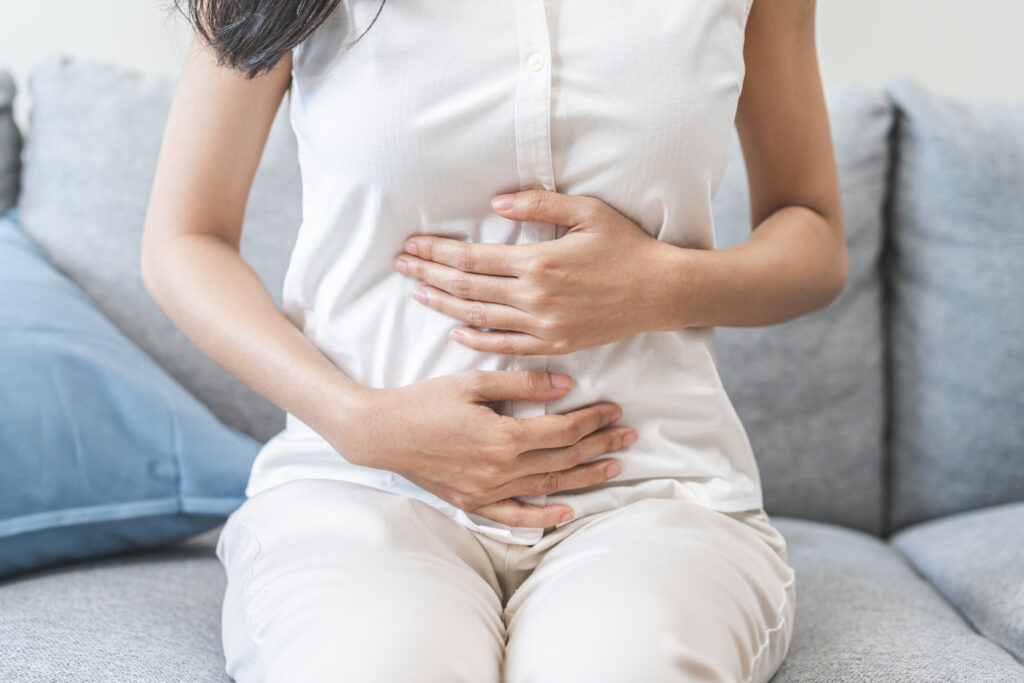
Postpartum Constipation and Pelvic Floor Dysfunction: What Every New Mom Should Know
Recovering from childbirth takes time — and your body goes through more changes than most people talk about openly. One of them is bowel function. If you’ve had a baby and are dealing with constipation, difficulty emptying, urgency, or leaking, those symptoms are telling you something worth paying attention to.
Bowel problems after having a baby are more common than postpartum care visits typically address. According to a study published in BJOG: An International Journal of Obstetrics & Gynaecology (Kuronen et al., 2020) found that constipation affects up to 52% of women in the early postpartum period — more than double the rate in women who have not recently given birth. Yet many new moms are sent home with little guidance on what to do when their bowel function doesn’t return to normal.
Physical therapy for postpartum constipation is one of the most effective and underutilized tools in postpartum recovery. At CORE 3 Physical Therapy, serving Bucks and Montgomery Counties in Pennsylvania, our pelvic floor specialists work with new moms every day to address exactly these symptoms — with individualized care, no physician referral required, and a treatment plan built around your body, not a generic protocol.
Why Bowel Problems After Having a Baby Happen
Childbirth is one of the most physically demanding things a body can go through. What happens during and after delivery affects far more than the areas most people expect — and the pelvic floor sits at the center of all of it.
What Happens to Your Pelvic Floor During Childbirth
The pelvic floor is a group of muscles, ligaments, and connective tissue that runs like a hammock across the base of your pelvis. It supports your bladder, uterus, and rectum, and plays a direct role in controlling when and how you have a bowel movement.
During pregnancy, that entire structure carries increasing load for months. During vaginal delivery, the muscles stretch significantly — sometimes beyond what they can recover from on their own. Even during a cesarean section, the pelvic floor is affected by months of pregnancy weight, hormonal shifts, and the stress of surgery and recovery. The result is a system that often needs time, attention, and in many cases, professional rehabilitation to function properly again.
Why Vaginal Delivery and Tearing Increase the Risk
Vaginal delivery places the highest mechanical demand on the pelvic floor. When tearing occurs — or when an episiotomy is performed — the surrounding tissue, nerves, and muscles sustain direct trauma. That damage can disrupt the coordination between your pelvic floor and your bowel, making it harder to push effectively, relax fully, or feel the normal signals that tell you when it’s time to go.
The research reflects this clearly. Women who deliver vaginally are significantly more likely to experience postpartum constipation than those who deliver by cesarean, and a spontaneous perineal tear raises that risk even further. This is not a minor inconvenience — for many women, it becomes a daily challenge that affects comfort, confidence, and quality of life.
Other Factors That Make It Worse
Delivery itself is only part of the picture. Several other factors compound pelvic floor bowel dysfunction in the postpartum period:
Hormonal changes — Progesterone, which slows digestion during pregnancy, doesn’t drop off immediately after delivery. This can keep the digestive system sluggish in the early weeks postpartum.
Pain medications — Opioids prescribed after delivery are well known to slow bowel motility. Even over-the-counter options taken for perineal pain can contribute to constipation.
Fear of straining — Many new moms, especially those with stitches or hemorrhoids, instinctively avoid bearing down. That avoidance, while understandable, can create a cycle of withholding that worsens constipation over time.
Stress and sleep deprivation — The nervous system plays a direct role in bowel function. High cortisol levels from disrupted sleep and the demands of new parenthood can slow or disrupt normal digestion patterns.
None of these factors exist in isolation — they often stack, which is why bowel problems after having a baby can feel so persistent and hard to resolve without the right support.
Common Symptoms of Bowel Dysfunction After Having a Baby
Bowel dysfunction after childbirth doesn’t look the same for every woman. Some struggle with constipation for weeks. Others deal with urgency, leaking, or pain that makes every trip to the bathroom something they dread. If any of the following sound familiar, your pelvic floor may be at the root of it.
Constipation and Difficulty Emptying Fully
This is the most common complaint in the postpartum period. You may feel the urge to go but struggle to complete a bowel movement, or feel like something is still there even after you’ve finished. Straining becomes the norm. Stools may be hard, dry, or infrequent. What makes postpartum constipation different from typical constipation is that it often has a muscular component — meaning the pelvic floor itself isn’t relaxing and coordinating the way it needs to for a complete, comfortable bowel movement. Laxatives and dietary changes can offer temporary relief, but they don’t address what’s happening in the muscles.
Urgency
Urgency means the signal comes on suddenly and with very little warning — and you’re not sure you’ll make it in time. This can happen because the pelvic floor muscles, weakened or discoordinated after delivery, are no longer managing rectal pressure the way they should. It’s disorienting, and for many new moms it quietly starts dictating daily decisions: where to go, how far from home to venture, whether to leave the house at all.
Leaking Gas or Stool
Leaking — whether gas, liquid, or solid stool — is one of the most distressing symptoms of pelvic floor bowel dysfunction, and one of the least talked about. It happens when the muscles responsible for maintaining closure aren’t generating enough strength or coordination to hold contents in, especially under pressure. Laughing, coughing, sneezing, or even walking can trigger it. This is not a normal consequence of having a baby that you simply have to accept. It is a sign that the pelvic floor needs rehabilitation.
Painful Bowel Movements
Pain during a bowel movement after childbirth can stem from several sources — perineal tearing, hemorrhoids, scar tissue, or pelvic floor muscles that are too tight to allow comfortable passage. When the muscles are in a constant state of tension (a condition called hypertonic pelvic floor dysfunction), pushing becomes painful, and the natural response is to avoid going altogether. That avoidance makes the underlying problem worse.
Bloating and Pelvic Pressure
Persistent bloating, a feeling of heaviness in the pelvis, or the sensation that something is “falling out” or pressing downward are symptoms that often accompany other bowel problems after having a baby. They can indicate pelvic organ prolapse, muscle weakness, or simply a digestive system that is backed up and under strain. These sensations are worth taking seriously — they are signals that the pelvic floor is under more load than it can currently manage on its own.
If you recognize yourself in more than one of these descriptions, that’s useful information. Pelvic floor physical therapy is specifically designed to evaluate and address the underlying muscular and neurological causes behind each of these symptoms — not just manage them on the surface.
How Physical Therapy for Constipation Postpartum Works
Physical therapy for postpartum constipation works by addressing the root cause of the problem — not just the symptom. The pelvic floor is a complex system of muscles, nerves, and connective tissue, and when something is off, it rarely resolves with a single exercise or a generic program. What makes pelvic floor physical therapy effective is that it is built entirely around your body, your birth experience, and your specific presentation.
Before describing what treatment may involve, it’s important to say this clearly: every treatment plan at CORE 3 Physical Therapy is individualized. The approaches below are tools your therapist may draw from — not a fixed protocol, and not a self-directed program. What works for one patient may not be appropriate for another, which is exactly why a professional evaluation is the essential first step.
A Personalized Assessment First
Every course of treatment begins with a thorough one-on-one evaluation. Your therapist will take a detailed history — your delivery, your symptoms, your daily habits, and your goals. They will assess your pelvic floor muscle function, looking at strength, tone, coordination, and flexibility. This evaluation is the foundation of everything that follows. There is no guesswork, and there is no one-size-fits-all starting point.
Pelvic Floor Muscle Retraining
One of the most important things a pelvic floor therapist can identify is whether your muscles are too weak, too tight, or poorly coordinated — because all three can cause constipation and bowel dysfunction, and each requires a completely different approach. Muscles that are too tight need to learn how to release. Muscles that are too weak need to rebuild strength and endurance. Muscles that are discoordinated need to relearn how to sequence properly during a bowel movement. This is why self-directed Kegel exercises are often not enough — and in some cases, the wrong approach entirely.
Manual Therapy
Manual therapy involves hands-on techniques applied by your therapist to release tension, improve tissue mobility, and restore normal function to the pelvic floor and surrounding structures. This may include work on scar tissue from tearing or episiotomy, myofascial release of tight muscles, or abdominal techniques that support better bowel motility. It is precise, targeted, and guided by what your assessment reveals — not by a general protocol.
Biofeedback
Biofeedback is a tool that makes the invisible visible. Sensors provide real-time information about what your pelvic floor muscles are doing — whether they are contracting, relaxing, or somewhere in between. For women dealing with pelvic floor bowel dysfunction, biofeedback is particularly valuable because it helps retrain the coordination between the muscles involved in a bowel movement. Many patients are surprised to discover that their muscles are doing something very different from what they think they’re doing — biofeedback removes that guesswork entirely.
Breathing and Posture
The connection between breathing and bowel function is one that most people never consider — but it is direct and significant. The diaphragm and the pelvic floor move together as a unit. When breathing mechanics are off, the pelvic floor can’t manage pressure the way it needs to. Your therapist may work on breathing coordination, posture during toileting, and how to use intra-abdominal pressure effectively to support — rather than strain — your bowel movements. Small changes in these mechanics can make a meaningful difference in daily symptoms.
Education and Bowel Habit Coaching
Physical therapy for constipation postpartum includes more than hands-on treatment. Your therapist will also provide practical guidance on toileting habits, positioning, fluid and fiber intake, and how to respond to the body’s natural signals without creating patterns that worsen dysfunction. This education component is often what closes the gap between symptom management and lasting recovery — because understanding what your body needs, and why, changes how you care for it long after treatment ends.
What to Expect at Your First Visit at CORE 3 PT
Walking into a pelvic floor physical therapy appointment for the first time — especially for something as personal as bowel dysfunction — can feel unfamiliar. Here is exactly what you can expect when you come to CORE 3 Physical Therapy.
- Board-certified specialists leading your care. Our physical therapists hold advanced specialty certifications that fewer than 20% of physical therapists nationwide obtain. You are being evaluated and treated by someone with a level of expertise that goes well beyond a general PT license.
- One-on-one care with a Doctor of Physical Therapy — every visit. Your care is never handed off to an aide or an assistant. The therapist who evaluates you is the therapist who treats you, start to finish.
- No referral needed. Pennsylvania is a Direct Access state, which means you can schedule an appointment at CORE 3 Physical Therapy without a physician referral. If you have symptoms, that is enough reason to come in.
- Privately owned, individualized care. CORE 3 is not a large PT chain. We are a privately owned clinic that has been serving Bucks and Montgomery Counties since 2015, and our approach reflects that — smaller caseloads, more time with each patient, and treatment plans that are built around your specific needs.
When Should You See a Pelvic Floor Physical Therapist?
The honest answer: sooner than you think.
If you are still pregnant, prenatal physical therapy can help prepare your body for delivery — addressing muscle tension, improving coordination, and reducing the risk of complications that lead to bowel problems in the first place. Starting before birth is not overreacting. It is proactive care that pays off during recovery.
If you have already had your baby, it is not too late — not by a long shot. Whether you delivered last month or two years ago, postpartum pelvic floor PT is still the right call. Symptoms that have been present for months or even years can still respond well to treatment. The window for getting help does not close after your six-week checkup.
If something feels off, trust that signal. Bowel problems after having a baby are common, but common does not mean untreatable — and waiting rarely makes them easier to address.
Frequently Asked Questions
Is postpartum bowel dysfunction something I just have to live with?
No. Bowel problems after having a baby — whether constipation, urgency, leaking, or pain — are common, but they are not a permanent condition you have to accept. Pelvic floor bowel dysfunction has clear muscular and neurological causes that a trained physical therapist can evaluate and treat. Many women see meaningful improvement within a few sessions, though the timeline varies depending on the individual, the severity of symptoms, and how long they have been present.
Do I need a doctor’s referral to start pelvic floor physical therapy in Pennsylvania?
No. Pennsylvania is a Direct Access state, which means you can schedule directly with CORE 3 Physical Therapy without a physician referral. If you are experiencing symptoms — constipation, urgency, leaking, or pelvic pressure — that is sufficient reason to book an evaluation. You do not need to wait for a referral, and you do not need to have a formal diagnosis before coming in.
How is pelvic floor PT different from just doing Kegel exercises at home?
Kegel exercises — repeated contractions of the pelvic floor — are widely recommended postpartum, but they are not the right approach for every patient. If your muscles are already too tight, Kegels can make symptoms worse, not better. Physical therapy for constipation postpartum begins with a proper assessment to determine exactly what your muscles are doing and what they need. From there, your therapist builds a program specific to your body — which may include relaxation techniques, manual therapy, biofeedback, and breathing work that no self-directed exercise program can replicate.
CORE 3 Physical Therapy Can Help
Bowel problems after having a baby deserve the same attention as any other part of postpartum recovery. If you have been dealing with constipation, urgency, leaking, or pelvic pressure since your delivery — and you have been waiting for it to resolve on its own — physical therapy for postpartum constipation may be exactly what your recovery has been missing.
At CORE 3 Physical Therapy, our pelvic floor specialists provide one-on-one, evidence-based care in a private, respectful environment. We treat the whole picture — not just the symptom — and every plan is built around your body, your birth experience, and your goals. You do not need a referral to get started, and you do not need to have reached a breaking point before asking for help.
If you are ready to take the next step, find the CORE 3 location nearest to you and schedule your first visit today.
CORE 3 Limerick 536 N. Lewis Rd, Limerick, PA 19468, Phone: 484-938-5403
CORE 3 Hatfield 1691 Bethlehem Pike, Hatfield, PA 19440, Phone: 267-308-5330
CORE 3 East Norriton 325 W. Germantown Pike, Suite 105, East Norriton, PA 19403, Phone: 267-534-7614
CORE 3 Chalfont 100 Stewart Lane, Chalfont, PA 18914, Phone: 215-789-6543
CORE 3 Warrington 865 Easton Road, Suite 190, Warrington, PA 18976, Phone: 267-748-2081
All locations also offer Telehealth appointments via Doxy.me for eligible patients throughout Pennsylvania.
Disclaimer: The information provided in this article is for general informational purposes only and does not constitute medical advice. Physical therapy treatment plans, techniques, and outcomes vary by individual, condition, and clinical presentation. The exercises and information described here are intended as general education and are not a substitute for evaluation and treatment by a licensed physical therapist. If you are experiencing pain, injury, or any medical condition, consult with a licensed healthcare provider before beginning any exercise or treatment program.

Hatfield
1691 Bethlehem Pike
Hatfield, PA 19440
Phone: 267-308-5330
Fax: 267-308-5331
Chalfont
100 Stewart Ln,
Chalfont, PA 18914
Phone: 215-789-6543
Fax: 215-789-6544
East Norriton
325 West Germantown Pike, Suite 105
East Norriton, PA, 19403
Phone: 267-534-7614
Fax: 267-534-7615
Limerick
536 North Lewis Rd
Limerick, PA, 19468
Phone: 484-938-5403
Fax: 484-938-5164
Warrington
865 Easton Rd, Suite 190
Warrington, PA 18976
Phone: 267-748-2081
Fax: 267-748-2082