
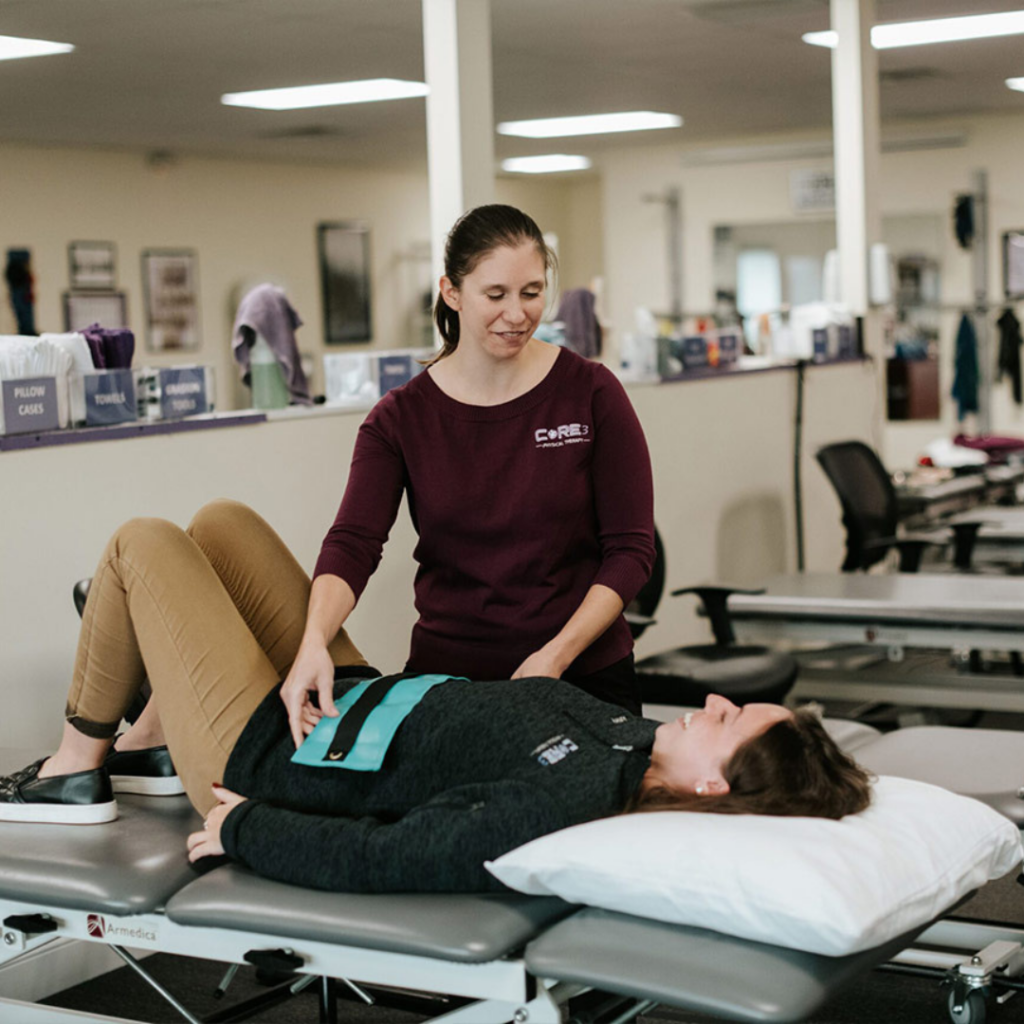
Urinary incontinence is more common than many people realize, and it can affect adults of all ages—not just older adults or those who have given birth. Whether you experience occasional leaks when you laugh or sneeze, sudden urges you can’t ignore, or difficulty fully controlling your bladder, you’re not alone. More importantly, you’re not without options.
One of the most effective, conservative treatments available today is pelvic floor therapy for urinary incontinence. This approach focuses on strengthening, coordinating, and retraining the muscles that support bladder control—without surgery or medication.
In this article, we’ll walk through how pelvic floor therapy works, who it helps, what treatment looks like, and where you can access care locally in Bucks and Montgomery Counties.
Understanding Urinary Incontinence
Urinary incontinence refers to the involuntary leakage of urine. It can show up in different ways, including:
Leaking with coughing, sneezing, laughing, or exercise
Sudden, strong urges to urinate
Difficulty making it to the bathroom in time
Frequent nighttime urination
Feeling like the bladder doesn’t fully empty
There are several types of urinary incontinence, such as stress incontinence, urge incontinence, mixed incontinence, and overflow incontinence. While the symptoms vary, many cases are connected to how well the pelvic floor muscles are functioning.
That’s where physical therapy comes in.
Can Pelvic Floor Therapy Help With Incontinence?
Yes—pelvic floor therapy for urinary incontinence is widely recognized as a first-line treatment and is supported by strong clinical evidence.
The pelvic floor muscles form a supportive sling at the base of the pelvis. They help control the bladder, bowel, and, in women, support pregnancy and postpartum recovery. When these muscles are weak, tight, or not coordinating properly, bladder control can be affected.
Pelvic floor therapy helps by:
Improving muscle strength and endurance
Teaching proper muscle coordination and timing
Addressing muscle tension or overactivity
Improving bladder habits and control strategies
Many patients see meaningful improvement in symptoms—and in some cases, complete resolution—after completing a personalized therapy program.
How Does Physical Therapy Help Urinary Incontinence?
A common misconception is that pelvic floor therapy is just about doing Kegels. In reality, urinary incontinence therapy provided by a trained physical therapist is much more comprehensive.
Physical therapy helps urinary incontinence by addressing the root causes, not just the symptoms. Treatment may include:
A Thorough Evaluation
Your physical therapist will assess posture, breathing patterns, core strength, hip mobility, and pelvic floor function. This whole-body approach matters because the pelvic floor doesn’t work in isolation.
Muscle Retraining
Some people need to strengthen the pelvic floor, while others need to learn how to relax muscles that are too tight. Therapy is tailored to what your body actually needs.
Bladder Education
You’ll learn how bladder habits, fluid intake, and timing affect symptoms. Small changes can make a big difference.
Functional Training
Therapy focuses on real-life situations—like lifting, exercising, or returning to daily activities without fear of leakage.
This personalized approach is what makes pelvic floor therapy for urinary incontinence so effective.
Can I Do Pelvic Floor Therapy Myself?
This is a very common question, and the honest answer is: partially—but guidance matters.
While there are exercises you can try at home, many people unknowingly perform them incorrectly or focus on the wrong muscles. In some cases, doing exercises without proper assessment can actually worsen symptoms.
Working with a pelvic health physical therapist ensures that:
You’re using the correct muscles
Exercises are appropriate for your specific type of incontinence
Progressions are safe and effective
Other contributing factors are addressed
Once you’ve been properly evaluated, home exercises become much more effective. Think of physical therapy as learning the right tools—so what you do on your own actually helps.
What to Expect During Pelvic Floor Therapy
Starting therapy can feel intimidating if you’re not sure what to expect. At Core 3 Physical Therapy, care is always respectful, patient-centered, and focused on your comfort.
Pelvic floor therapy may include:
Education about how the pelvic floor works
External and/or internal muscle assessment (always explained and optional)
Breathing and coordination exercises
Gentle strengthening or relaxation techniques
Lifestyle and movement guidance
Sessions are one-on-one, and your therapist will move at a pace that feels right for you.
Who Can Benefit From Urinary Incontinence Therapy?
Pelvic floor therapy can help a wide range of people, including:
Women during pregnancy or postpartum
Men after prostate surgery
Athletes experiencing leakage with activity
Older adults noticing changes in bladder control
Anyone dealing with urgency, frequency, or leaks
If urinary incontinence is affecting your confidence, comfort, or daily life, it’s worth having a conversation with a pelvic health specialist.
Pelvic Floor Therapy for Urinary Incontinence in Bucks and Montgomery Counties
If you’re looking for pelvic floor therapy for urinary incontinence close to home, Core 3 Physical Therapy offers expert pelvic health care at multiple convenient locations.
Core 3 Physical Therapy Locations
CORE 3 Hatfield
1691 Bethlehem Pike
CORE 3 East Norriton
325 W. Germantown Pike, Suite 105
CORE 3 Chalfont
100 Stewart Lane
CORE 3 Limerick
536 North Lewis Road
CORE 3 Warrington
865 Easton Rd, Suite 190
In addition to in-clinic care, Core 3 also offers telehealth options for patients who may benefit from remote guidance as part of their treatment plan.
Each location provides the same patient-first approach, with therapists trained in urinary incontinence therapy and pelvic floor rehabilitation.
Taking the First Step Toward Better Bladder Control
Living with urinary incontinence can feel frustrating and isolating—but it doesn’t have to be permanent. With the right guidance, many people regain control, confidence, and comfort in their daily lives.
Pelvic floor therapy for urinary incontinence offers a supportive, evidence-based path forward. If you’ve been wondering whether help is available, the answer is yes—and it starts with a conversation.
If you’re in Bucks or Montgomery County and looking for compassionate, expert care, Core 3 Physical Therapy is here to help you move forward with confidence.
