
Parkinsons Disease Physical Therapy Clinic: How Physical Therapy Helps Improve Movement & Quality of Life
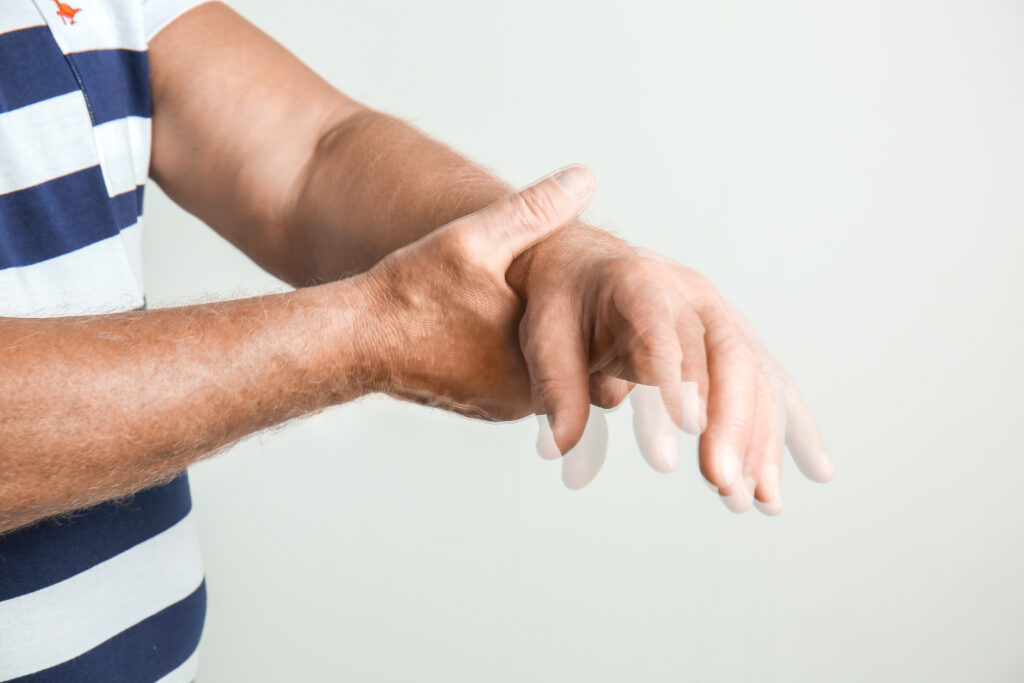
Living with Parkinson’s disease can be challenging, especially when everyday movements like walking, balancing, or reaching become harder over time. That’s where finding the right parkinsons disease physical therapy clinic can make a meaningful difference. At Core 3 Physical Therapy, we believe in meeting you exactly where you are — with compassionate care, personalized treatment plans, and a focus on helping you move better and feel more confident in your body.
When you or a loved one begin physical therapy for parkinsons disease, the goal isn’t just to reduce symptoms — it’s to support your overall quality of life. Our experienced therapists take the time to listen, understand your goals, and work with you to improve movement, strength, balance, and confidence. Whether you’re just starting to notice symptoms or have been managing Parkinson’s for years, a specialized physical therapy program can help you continue doing the things you love with greater ease and comfort.
How Physical Therapy for Parkinson’s Disease Helps Improve Movement
Parkinson’s disease affects how the brain communicates with the body, which can make movement feel slower, stiffer, or less steady over time. This is where physical therapy for parkinsons disease plays a critical role. Rather than focusing only on symptoms, physical therapy helps retrain the body to move more efficiently, safely, and confidently in everyday life.
At a specialized parkinsons disease physical therapy clinic, therapy is designed to support the way Parkinson’s impacts movement patterns. Physical therapists work closely with patients to improve strength, flexibility, coordination, and balance — all of which are essential for maintaining independence. Sessions are personalized, meaning exercises are adapted to each person’s current abilities, challenges, and goals.
One of the biggest benefits of physical therapy is that it encourages consistent, intentional movement. Parkinson’s can cause movements to become smaller or slower without a person realizing it. Through guided exercises, cueing techniques, and repetition, physical therapy helps patients practice bigger, more controlled movements that translate into walking, standing, and daily activities like getting out of a chair or climbing stairs.
Another important aspect of care at a parkinsons disease physical therapy clinic is education. Patients learn strategies to move more safely, reduce their risk of falls, and stay active between sessions. Over time, this combination of guided therapy and at-home movement can help slow functional decline and improve overall confidence.
Most importantly, physical therapy for parkinsons disease is about supporting quality of life. By improving movement and helping the body adapt to change, physical therapy empowers individuals to stay engaged in the activities and routines that matter most to them.
Common Parkinson’s Symptoms Treated with Physical Therapy
Parkinson’s disease can affect each person differently, but many individuals experience movement-related symptoms that interfere with daily life. At a specialized parkinsons disease physical therapy clinic, treatment focuses on addressing these challenges in a safe, supportive, and personalized way. Physical therapy helps patients manage symptoms while building strength, confidence, and control over their movements.
Below are some of the most common Parkinson’s-related symptoms that physical therapy can help improve.
Balance Issues
Balance problems are one of the most concerning symptoms of Parkinson’s disease, as they increase the risk of falls. Physical therapy focuses on improving balance through targeted exercises that strengthen stabilizing muscles and improve body awareness. Therapists also teach strategies to help patients recover safely if they feel unsteady, making daily activities feel more secure and manageable.
Gait Changes
Many people with Parkinson’s notice changes in how they walk, such as shorter steps, shuffling, or difficulty starting and stopping movement. Physical therapy works to improve walking patterns by encouraging longer steps, better rhythm, and smoother transitions. At a parkinsons disease physical therapy clinic, gait training is customized to help patients move more confidently at home, in the community, and on uneven surfaces.
Rigidity
Muscle stiffness and tightness can make simple movements feel uncomfortable or restricted. Physical therapy helps reduce rigidity through gentle stretching, mobility exercises, and guided movement. Over time, these techniques can improve flexibility, reduce discomfort, and make everyday tasks like reaching, turning, or getting dressed easier.
Tremors
While tremors may not always disappear with therapy, a physical therapy program can help patients better manage them. Strengthening exercises, coordination training, and posture work can improve overall control and reduce the impact tremors have on daily activities. Learning how to move efficiently can also help conserve energy and reduce frustration.
Postural Instability
Poor posture is common with Parkinson’s disease and can contribute to pain, balance problems, and fatigue. Physical therapy focuses on improving posture through strengthening and awareness exercises that support upright positioning. Better posture can lead to improved breathing, safer movement, and greater confidence during daily activities.
Specialized Physical Therapy Techniques Used for Parkinson’s Disease
A high-quality parkinsons disease physical therapy clinic uses evidence-based techniques designed specifically to address the movement challenges caused by Parkinson’s disease. These approaches go beyond general exercise and focus on helping patients move with more control, confidence, and efficiency in their daily lives. Below are three key physical therapy techniques commonly used to support individuals with Parkinson’s disease.
LSVT BIG Therapy
LSVT BIG is a well-researched therapy program designed specifically for people with Parkinson’s disease. This approach focuses on practicing large, exaggerated movements to help retrain the brain and body. Because Parkinson’s can cause movements to become smaller and slower over time, LSVT BIG helps patients relearn what “normal” movement feels like.
At a specialized parkinsons disease physical therapy clinic, LSVT BIG is used to improve walking, reaching, standing up from chairs, and overall body awareness. The goal is to help patients carry these bigger, more confident movements into everyday activities at home and in the community.
Gait Training
Gait training focuses on improving how a person walks. Parkinson’s disease often affects stride length, speed, and coordination, which can make walking feel unsafe or tiring. Through guided gait training, physical therapists help patients practice smoother, more efficient walking patterns.
This may include working on step length, rhythm, turning, and navigating obstacles. At Core 3, gait training is personalized so patients feel more confident moving through their daily environments, whether that’s inside their home or out in public spaces.
Balance Work
Balance work is a critical part of physical therapy for parkinsons disease, especially as the condition progresses. Balance exercises are designed to strengthen stabilizing muscles and improve coordination, helping reduce the risk of falls.
Therapists use progressive balance activities that challenge patients safely, while also teaching strategies to recover balance if they feel unsteady. This type of training helps patients feel more secure during everyday movements like standing, walking, and changing directions.
When Should Someone with Parkinson’s Disease Start Physical Therapy?
Many people believe physical therapy is only needed in the later stages of Parkinson’s disease, but that’s a common misconception. A helpful and friendly reminder is that starting physical therapy early can be especially beneficial, while still offering meaningful support at any stage of the condition.
In the early stages of Parkinson’s disease, physical therapy can help establish strong movement habits, improve posture, and maintain balance and flexibility before symptoms become more noticeable. Working with a parkinsons disease physical therapy clinic early on allows individuals to stay proactive, build confidence, and learn strategies that can support long-term mobility.
That said, physical therapy for parkinsons disease is not limited to early diagnosis. Therapy can be incredibly helpful during middle and later stages as well. As symptoms change, physical therapy adapts — focusing on safety, fall prevention, maintaining independence, and supporting daily activities. Even small improvements in movement or balance can make a big difference in quality of life.
No matter the stage, physical therapy offers guidance, encouragement, and personalized care. The goal is always to meet each person where they are, provide support that fits their needs, and help them move as safely and comfortably as possible.
How to Choose the Right Parkinson’s Disease Physical Therapy Clinic
Choosing the right parkinsons disease physical therapy clinic is an important step in managing Parkinson’s disease with confidence and support. Because Parkinson’s affects movement, balance, and coordination in unique ways, it’s important to work with a clinic that understands the condition and takes a personalized approach to care.
When looking for a clinic, consider whether the physical therapists have experience treating neurological conditions like Parkinson’s disease. A strong clinic will focus on individualized treatment plans, one-on-one care, and evidence-based techniques that adapt as symptoms change. You should feel heard, supported, and encouraged throughout your therapy journey.
It’s also helpful to choose a clinic that emphasizes education and long-term success. The best clinics don’t just guide you through exercises during sessions — they help you understand your body, practice safe movement strategies, and stay active between visits. This approach allows physical therapy for parkinsons disease to support not just short-term improvement, but lasting quality of life.
Accessibility matters too. Convenient locations, flexible scheduling, and a welcoming environment can make it easier to stay consistent with care. At Core 3 Physical Therapy, patients receive compassionate, movement-focused treatment designed to support them at every stage of Parkinson’s disease.
Core 3 Physical Therapy Locations
Core 3 Physical Therapy proudly serves patients across Bucks and Montgomery Counties with multiple convenient locations:
CORE 3 Hatfield
1691 Bethlehem Pike Hatfield, PA 19440
CORE 3 East Norriton
325 W. Germantown Pike, Suite 105 East Norriton, PA 19403
CORE 3 Chalfont
100 Stewart Lane Chalfont, PA 18914
CORE 3 Limerick
536 N Lewis Rd Limerick, PA 19468
CORE 3 Warrington
865 Easton Road, Suite 190 Warrington, PA 18976
Living with Parkinson’s disease comes with unique challenges, but the right support can make a meaningful difference. Working with a specialized parkinsons disease physical therapy clinic provides individuals with personalized care that focuses on improving movement, maintaining independence, and supporting overall quality of life. Physical therapy is not just about exercises — it’s about empowering people to move with greater confidence and comfort at every stage of the condition.
Through physical therapy for parkinsons disease, patients can address common symptoms such as balance difficulties, gait changes, stiffness, and posture concerns in a safe and encouraging environment. Whether therapy begins early after diagnosis or later as needs evolve, physical therapy remains a valuable tool for staying active and engaged in daily life.
At Core 3 Physical Therapy, care is centered around the individual, not just the diagnosis. With experienced therapists, evidence-based treatment techniques, and multiple convenient locations, Core 3 is committed to helping patients feel supported, understood, and confident in their movement journey. If you or a loved one is navigating Parkinson’s disease, connecting with a trusted parkinsons disease physical therapy clinic can be a positive step toward maintaining mobility, independence, and quality of life.

Hatfield
1691 Bethlehem Pike
Hatfield, PA 19440
Phone: 267-308-5330
Fax: 267-308-5331
Chalfont
100 Stewart Ln,
Chalfont, PA 18914
Phone: 215-789-6543
Fax: 215-789-6544
East Norriton
325 West Germantown Pike, Suite 105
East Norriton, PA, 19403
Phone: 267-534-7614
Fax: 267-534-7615
Limerick
536 North Lewis Rd
Limerick, PA, 19468
Phone: 484-938-5403
Fax: 484-938-5164