
Is Manual Therapy Effective for Relieving Joint Pain? Here’s What Our PTs Say
Joint Pain Relief Through Manual Therapy: A Physical Therapist’s Guide
Joint pain has a way of showing up in everything — the morning walk to the kitchen, getting in and out of the car, climbing a single flight of stairs. When it becomes part of your daily routine, it stops feeling like a temporary problem and starts feeling like something you just have to live with. It doesn’t have to be that way.
If you’ve been looking into your options, you’ve likely come across manual therapy — and wondered whether it actually works. So, is manual therapy effective for relieving joint pain? Based on what our physical therapists see every day across our Bucks and Montgomery County clinics, the answer is a clear yes — and the evidence backs it up.
What Is Manual Therapy?
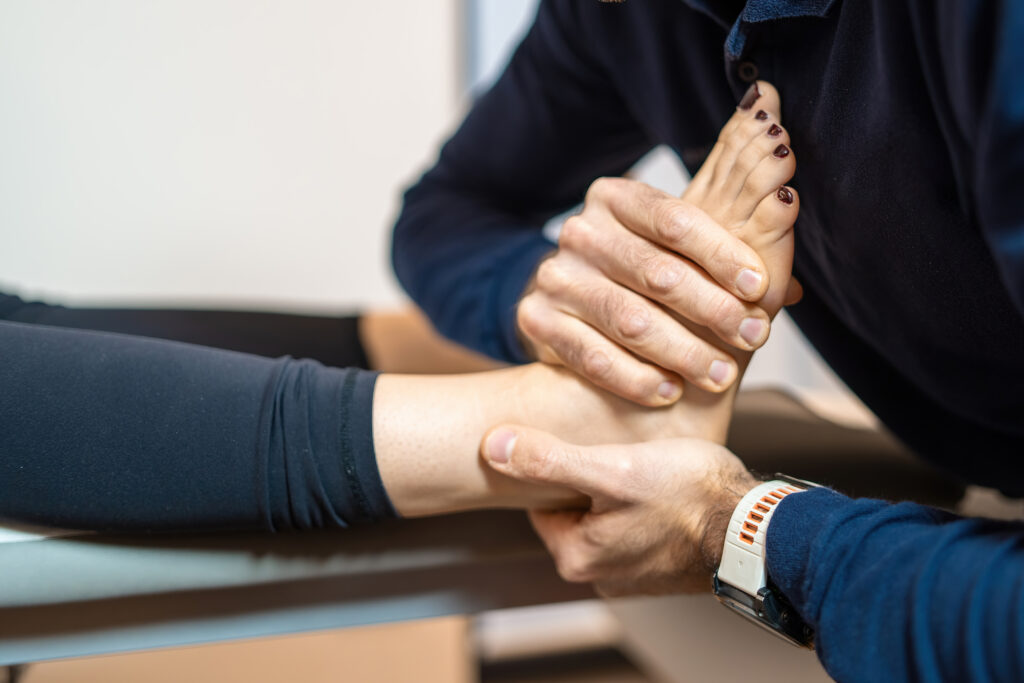
Manual therapy is a hands-on treatment technique used by licensed physical therapists to reduce pain, restore movement, and improve how your joints and soft tissues function. Rather than relying on machines or exercise alone, your therapist uses their hands to apply controlled pressure, mobilize joints, and work through restrictions in the surrounding muscles and connective tissue.
It’s one of the most well-researched approaches in physical therapy — and it’s been a core part of how musculoskeletal conditions are treated for decades. Techniques can include joint mobilization, joint manipulation, soft tissue mobilization, and myofascial release, depending on what your body needs.
Manual therapy isn’t a one-size-fits-all treatment. At CORE 3 Physical Therapy, every session is guided by a thorough evaluation so your therapist applies the right technique, to the right area, at the right intensity — from the very first visit.
What Causes Joint Pain?
Joint pain doesn’t have a single cause — and that’s exactly why a cookie-cutter treatment approach rarely works. Whether it came on suddenly after an injury or has been building for years, understanding what’s driving your pain is the first step toward addressing it effectively. Here are the most common causes our physical therapists treat across our Pennsylvania clinics.
Injury & Trauma
A fall, a sports collision, a car accident — acute injuries can damage the ligaments, cartilage, and surrounding structures that keep a joint stable and moving correctly. Even after the initial injury heals, residual stiffness, weakness, and altered movement patterns can keep pain lingering far longer than expected.
Physical therapy for joint pain caused by trauma focuses on restoring normal joint mechanics, rebuilding strength, and retraining the body to move without compensation. In most cases, a physical therapist can help manage this without surgery — always consult your doctor first.
Arthritis & Joint Degeneration
Osteoarthritis is one of the most common reasons people seek physical therapy for joint pain, particularly in the knees, hips, and shoulders. As cartilage breaks down over time, joints lose their cushioning — leading to stiffness, aching, and reduced range of motion that tends to worsen with inactivity.
Manual therapy for joint pain relief has shown strong results in arthritic joints by improving mobility and reducing the muscle guarding that often amplifies pain signals. Movement, done correctly and guided by a specialist, is one of the most effective tools available. In most cases, a physical therapist can help manage this without surgery — always consult your doctor first.
Overuse & Repetitive Strain
Repetitive movements — whether from a physically demanding job, a sport, or even long hours at a desk — place cumulative stress on joints that eventually exceeds what the tissue can absorb. The result is inflammation, micro-damage, and pain that tends to flare with activity and ease with rest, until one day it doesn’t ease at all.
These conditions respond particularly well to manual therapy because the underlying issue is often a combination of tissue restriction, joint stiffness, and muscle imbalance — all of which hands-on treatment directly addresses. In most cases, a physical therapist can help manage this without surgery — always consult your doctor first.
Post-Surgical Joint Pain
Surgery can resolve a structural problem, but it introduces its own recovery challenges — scar tissue formation, swelling, altered movement patterns, and the deconditioning that comes with weeks of limited activity. Post-surgical rehabilitation guided by a physical therapist is one of the most important factors in determining how fully and how quickly you recover.
Manual therapy for joint pain relief plays a key role in post-surgical care by improving tissue mobility, reducing stiffness around the joint, and helping restore function in a controlled, progressive way. In most cases, a physical therapist can help manage ongoing pain after surgery — always consult your doctor first.
Is Manual Therapy Effective for Relieving Joint Pain?
Yes — manual therapy is effective for relieving joint pain, and it’s supported by a substantial body of clinical research. For patients dealing with stiffness, limited mobility, and persistent aching, it consistently delivers measurable results when applied by a skilled, credentialed physical therapist.
It Reduces Pain and Stiffness
One of the most immediate effects patients notice is a reduction in pain — often within the first few sessions. Manual therapy works by stimulating mechanoreceptors in the joint and surrounding tissue, which helps modulate pain signals before they reach the brain. Research published in the Journal of Orthopaedic & Sports Physical Therapy consistently supports joint mobilization as an effective intervention for reducing pain and improving function in patients with musculoskeletal conditions.
Beyond pain, stiffness is often what limits daily function the most. Hands-on mobilization loosens the joint capsule and surrounding soft tissue, restoring the gliding motion joints need to move freely — whether that’s bending a knee, reaching overhead, or rotating your neck without bracing for it.
It Improves Range of Motion
Reduced range of motion is one of the most common complaints that brings patients into physical therapy for joint pain — and one of the areas where manual therapy for joint pain relief shows the most consistent results. When joints are restricted, the surrounding muscles often tighten as a protective response, creating a cycle of stiffness that compounds over time.
Manual therapy interrupts that cycle directly. By mobilizing the joint and releasing tissue restrictions, your therapist helps restore the movement your body has been working around. Patients frequently notice improved mobility within a session — though lasting change comes from a structured plan that combines hands-on treatment with targeted exercise.
It Targets the Root Cause, Not Just Symptoms
Pain relievers and anti-inflammatories have their place, but they address how pain feels — not why it’s there. Manual therapy is different. A trained physical therapist evaluates the whole picture: how you move, where restrictions exist, which structures are under stress, and how compensation patterns may be contributing to your pain.
That diagnostic foundation means treatment is directed at the actual source of the problem. A stiff thoracic spine driving shoulder pain. A restricted hip capsule loading the knee. Scar tissue limiting ankle mobility after an old sprain. Is manual therapy effective for relieving joint pain in these cases? Consistently yes — because it works on the mechanics, not just the sensation.
It Works Alongside Other PT Techniques
Manual therapy rarely works in isolation — and it’s not designed to. At CORE 3 Physical Therapy, hands-on treatment is one component of a comprehensive plan that typically includes therapeutic exercise, neuromuscular re-education, and patient education on load management and movement habits.
This integrated approach is what makes physical therapy for joint pain more effective than any single modality on its own. Your therapist uses manual techniques to create a window of reduced pain and improved mobility, then builds on that foundation with exercises that reinforce the gains and address the underlying weaknesses driving your condition.
How Long Does Manual Therapy Take to Relieve Joint Pain?
Recovery timelines vary — and anyone who gives you a precise number without evaluating you first isn’t giving you an honest answer. The right timeline depends on the nature of your condition, how long you’ve been dealing with it, your overall health, and how consistently you engage with your treatment plan. That said, there are general windows that give most patients a realistic sense of what to expect.
Mild Cases — 2 to 4 Weeks
If your joint pain is recent, linked to a specific incident, and hasn’t become a chronic pattern, manual therapy for joint pain relief tends to work quickly. Patients with mild sprains, early-stage stiffness, or acute soft tissue restrictions often notice significant improvement within the first two to three sessions — with full resolution typically achieved within two to four weeks of consistent care.
At this stage, the joint hasn’t had time to develop compensatory movement patterns or significant tissue changes, which means hands-on treatment can address the restriction directly and efficiently. Your CORE 3 physical therapist will build a personalized plan based on your specific condition.
Moderate Cases — 4 to 8 Weeks
Moderate joint pain — the kind that’s been present for several weeks or months, or that has started affecting how you move through daily activities — typically requires a longer runway. The tissue changes are more established, compensation patterns are more ingrained, and the surrounding muscles often need progressive strengthening alongside manual therapy to maintain the improvements made during each session.
Four to eight weeks is a realistic window for most moderate presentations, with sessions typically scheduled two to three times per week in the early phase and tapering as function improves. Is manual therapy effective for relieving joint pain at this stage? Yes — but consistency between appointments matters just as much as what happens during them. Your CORE 3 physical therapist will build a personalized plan based on your specific condition.
Chronic or Post-Surgical Cases — 8 to 16 Weeks
Long-standing joint pain and post-surgical rehabilitation are in a category of their own. When pain has been present for months or years, the nervous system has often adapted to it — lowering pain thresholds, altering muscle recruitment, and reinforcing movement habits built around avoiding discomfort. Undoing those adaptations takes time, even when the hands-on component of treatment produces early relief.
Post-surgical cases introduce additional variables: tissue healing timelines, swelling management, and the gradual progression of load that surgical protocols require. Physical therapy for joint pain in these cases is a structured, phased process — and manual therapy plays an important role throughout, particularly in managing scar tissue and restoring joint mobility as healing allows. Eight to sixteen weeks is a common range, though some complex cases extend beyond that. Your CORE 3 physical therapist will build a personalized plan based on your specific condition.
What to Expect at CORE 3 Physical Therapy
Choosing where to receive physical therapy for joint pain is a decision worth making carefully — and what sets CORE 3 apart starts before your first treatment even begins. Every patient is evaluated by a Doctor of Physical Therapy, not handed off to an aide or assistant. That means the person asking the right questions is the same person applying hands-on treatment and tracking your progress from visit one.
Our therapists hold advanced specialty certifications that fewer than 20% of physical therapists nationwide obtain — board-certified specialists in their areas of focus, not generalists rotating through a busy clinic schedule. As a privately owned practice serving Bucks and Montgomery Counties since 2015, CORE 3 was built around a simple premise: individualized care produces better outcomes than the volume-driven model that large PT chains rely on. That’s reflected in how we structure every appointment — enough time, enough attention, and a treatment plan built around your condition, not a template.
Here’s what that looks like in practice:
- One-on-one care with your Doctor of Physical Therapy at every visit — no handoffs, no supervision from across the room
- Board-certified specialists with advanced training in orthopaedics, sports, and other specialty areas
- Direct Access — Pennsylvania is a Direct Access state, which means you can schedule at any CORE 3 location without a physician referral
- All ages welcome — from pediatric patients to geriatrics, our therapists are equipped to treat across the full lifespan
- Telehealth available for eligible patients throughout Pennsylvania via Doxy.me
Whether you’re coming in for a new injury, managing a long-term condition, or recovering from surgery, the goal is the same: make you feel better on your first visit — and build from there.
Frequently Asked Questions About Manual Therapy for Joint Pain
Is manual therapy painful?
Manual therapy should not be painful — though it’s common to feel some temporary soreness during or after a session, similar to what you might experience after a demanding workout. Your therapist will communicate throughout the treatment and adjust pressure and intensity based on your feedback. If something doesn’t feel right, say so. A skilled physical therapist uses discomfort as a signal, not a target.
How is manual therapy different from a regular massage?
While both involve hands-on contact, the similarity largely ends there. A massage therapist focuses primarily on muscle relaxation and circulation. Manual therapy for joint pain relief is a clinically directed intervention — your physical therapist is working from a specific diagnosis, targeting joint mechanics, tissue restrictions, and movement dysfunction with techniques grounded in anatomy and biomechanics. The goal isn’t relaxation; it’s restoring how your body moves and functions.
Can manual therapy replace surgery for joint pain?
In many cases, yes — though that determination depends entirely on your specific diagnosis and should always be made in consultation with your physician. Research consistently shows that physical therapy for joint pain produces outcomes comparable to surgery for a number of common conditions, including knee osteoarthritis and certain shoulder presentations, with significantly less risk and recovery time. At CORE 3, our board-certified specialists can evaluate your condition and work alongside your medical team to determine the most appropriate path forward.
How do I know if manual therapy is right for me?
The most reliable way to find out is a thorough evaluation with a licensed physical therapist. Is manual therapy effective for relieving joint pain in every situation? Not always — and a qualified therapist will tell you honestly if a different approach is more appropriate for your presentation. In Pennsylvania, you don’t need a referral to find out. You can schedule directly at any CORE 3 location, get a full assessment, and leave with a clear picture of what’s driving your pain and what can be done about it.
Ready to Find Relief? Visit CORE 3 Physical Therapy
If joint pain has been limiting what you can do — at work, at home, or in the activities that matter most to you — manual therapy for joint pain relief may be exactly the structured, hands-on approach your body needs. Our team at CORE 3 Physical Therapy has helped patients across Bucks and Montgomery Counties get back to moving well, without unnecessary medication or surgery.
You don’t need a referral to get started. Pennsylvania is a Direct Access state, which means you can schedule directly at any of our five locations and begin your evaluation without waiting on a physician’s order. Our board-certified specialists will assess your condition, explain what’s driving your pain, and build a treatment plan designed around your specific goals — not a generic protocol.
Take the first step toward feeling better. Find the CORE 3 location nearest to you below.
Our Locations
CORE 3 Limerick 536 N. Lewis Rd, Limerick, PA 19468, Phone: 484-938-5403
CORE 3 Hatfield 1691 Bethlehem Pike, Hatfield, PA 19440, Phone: 267-308-5330
CORE 3 East Norriton 325 W. Germantown Pike, Suite 105, East Norriton, PA 19403, Phone: 267-534-7614
CORE 3 Chalfont 100 Stewart Lane, Chalfont, PA 18914, Phone: 215-789-6543
CORE 3 Warrington 865 Easton Road, Suite 190, Warrington, PA 18976, Phone: 267-748-2081
All locations also offer Telehealth appointments via Doxy.me for eligible patients throughout Pennsylvania.
Disclaimer: The information provided in this article is for general informational purposes only and does not constitute medical advice. Physical therapy treatment plans, techniques, and outcomes vary by individual, condition, and clinical presentation. The exercises and information described here are intended as general education and are not a substitute for evaluation and treatment by a licensed physical therapist. If you are experiencing pain, injury, or any medical condition, consult with a licensed healthcare provider before beginning any exercise or treatment program.

Hatfield
1691 Bethlehem Pike
Hatfield, PA 19440
Phone: 267-308-5330
Fax: 267-308-5331
Chalfont
100 Stewart Ln,
Chalfont, PA 18914
Phone: 215-789-6543
Fax: 215-789-6544
East Norriton
325 West Germantown Pike, Suite 105
East Norriton, PA, 19403
Phone: 267-534-7614
Fax: 267-534-7615
Limerick
536 North Lewis Rd
Limerick, PA, 19468
Phone: 484-938-5403
Fax: 484-938-5164
Warrington
865 Easton Rd, Suite 190
Warrington, PA 18976
Phone: 267-748-2081
Fax: 267-748-2082