
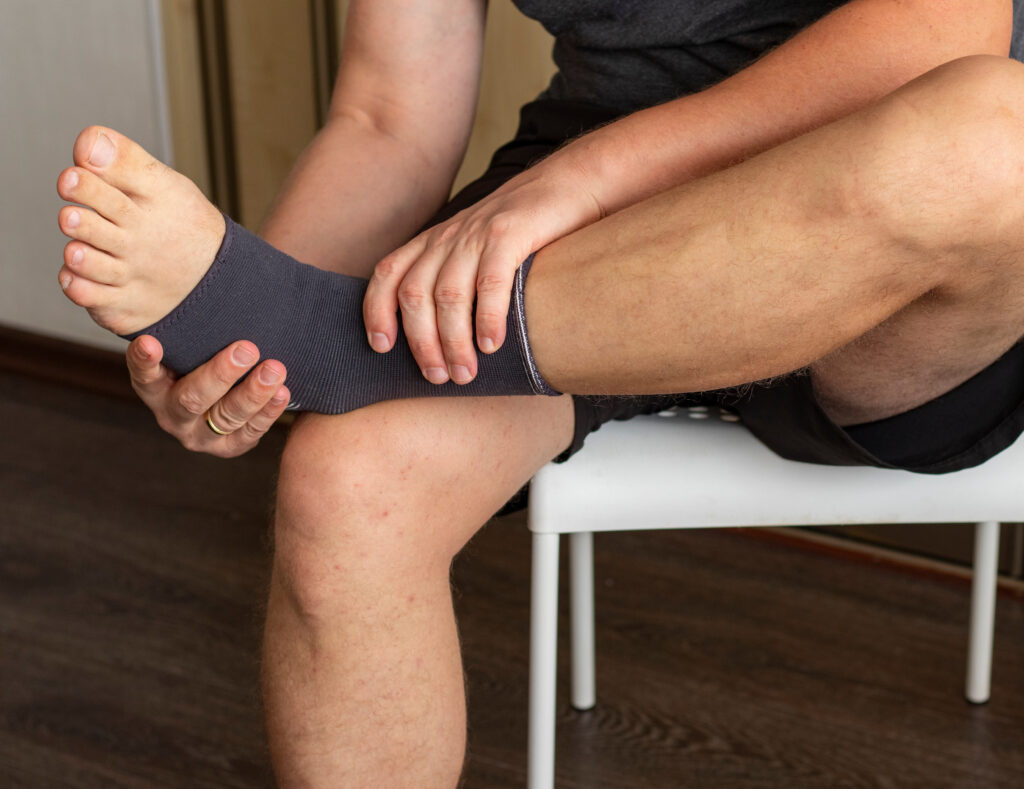
Recovering from a broken ankle is no easy task. And if you’re like many people, you might be surprised to learn how much your Achilles tendon plays a role in getting back to normal. After weeks or months of rest, casts, or limited movement, the Achilles tendon often becomes tight or stiff. That’s why knowing how to stretch Achilles tendon after broken ankle is such an important part of recovery.
In this article, we’ll walk you through safe and effective ways to stretch the Achilles tendon after a broken ankle. We’ll also answer some common questions and give you helpful tips for rebuilding strength and confidence in your body.
Why the Achilles Tendon Tightens After a Broken Ankle
When you break your ankle, you usually need to keep the joint immobile during healing. This is crucial for bone repair—but while your bones are recovering, the soft tissues around them (like your Achilles tendon) can become stiff or shortened from disuse.
The Achilles tendon connects your calf muscles to your heel bone, playing a key role in walking, running, and standing on your toes. When it tightens up, it can lead to discomfort, limited range of motion, and even trouble with balance or gait.
That’s why learning how to stretch Achilles tendon after broken ankle is not just about flexibility—it’s about helping your entire lower body work the way it should again.
When Is It Safe to Start Stretching?
This is a question we hear all the time in our clinic: “How soon can I start stretching?” The answer depends on your unique healing process and the type of fracture you had.
In general, most people can begin gentle stretching once the bone has fully healed and your healthcare provider (like your orthopedic doctor or physical therapist) has cleared you for movement. This often happens around 6–8 weeks post-injury, but it varies.
The best approach? Start slow and be patient. Forcing a stretch too soon can do more harm than good. If you’re ever unsure, speak with your physical therapist to create a plan that works for your body.
How to Stretch Achilles Tendon After Broken Ankle
Once you’re cleared to begin, here are a few stretches to safely target the Achilles tendon. These stretches are gentle, beginner-friendly, and easy to do at home. Just make sure you’re working in a pain-free range and that you’re not forcing anything.
1. Towel Stretch
This stretch is great for early recovery because it doesn’t put pressure on the ankle.
How to do it:
- Sit on the floor or in bed with your leg outstretched.
- Loop a towel or yoga strap around the ball of your foot.
- Gently pull the towel toward you until you feel a stretch in your calf and Achilles.
- Hold for 20–30 seconds. Repeat 3 times.
2. Wall Calf Stretch
Once you’re more mobile, this stretch targets the calf and Achilles together.
How to do it:
- Stand facing a wall. Place both hands on the wall at shoulder height.
- Step the injured leg back, keeping your heel on the ground and the leg straight.
- Bend the front knee slightly and lean forward until you feel a stretch.
- Hold for 30 seconds. Repeat 2–3 times.
3. Heel Drop on a Step
This stretch is more advanced and should only be done once you’ve regained good strength and balance.
How to do it:
- Stand on a step or curb with the balls of your feet on the edge.
- Slowly lower your heel below the step level until you feel a stretch in your Achilles.
- Hold for 15–20 seconds. Use a railing or wall for support.
- Repeat 3 times per side.
Practicing these regularly can make a big difference as you learn how to stretch Achilles tendon after broken ankle in a safe and effective way.
What If Stretching Hurts?
Stretching should never feel sharp, pinching, or painful. A light pulling or tight sensation is normal, but pain is a red flag. If you notice pain during or after a stretch, stop and speak with a physical therapist. You may need a gentler approach or a modification that suits your specific stage of healing.
At Core 3, we often see patients pushing themselves too hard too soon—and we get it. You’re eager to get back to walking, running, or just moving normally. But trust us: slow and steady wins the race when it comes to tendon recovery.
How Often Should You Stretch?
Consistency is key. Stretching 1–2 times per day is usually enough, especially if you’re also doing other exercises like strengthening or balance work. Each stretch should be held for at least 20–30 seconds, and you can repeat it 2–3 times per session.
If you’re unsure about what your body needs, that’s where guided therapy makes all the difference. A trained physical therapist can tailor your stretching program to your body’s response and recovery speed.
Strengthening Is Just as Important
Stretching is only one piece of the puzzle. As you recover, your muscles—especially the calves and foot stabilizers—will need to be strengthened. Without that, you might still feel weak, wobbly, or unstable on your feet.
Some easy strengthening exercises to pair with your Achilles stretches:
- Seated calf raises
- Standing heel lifts
- Balance work (like standing on one foot)
As you build strength and mobility, your Achilles tendon will be more resilient, making it easier to return to everyday activities and prevent future injuries.
What to Avoid During Achilles Tendon Recovery
Here are a few things we always advise our patients to avoid while learning how to stretch Achilles tendon after broken ankle:
- Skipping warm-ups: Stretching cold muscles can lead to injury. Try a 5-minute walk or light foot movement before stretching.
- Overstretching: If you feel pain or notice swelling afterward, you may be doing too much.
- Comparing your progress to others: Every injury is different. Focus on your own pace and celebrate small wins.
- Ignoring discomfort: Pain is your body’s way of signaling a problem. If it persists, seek professional advice.
Let Core 3 Physical Therapy Help You Recover with Confidence
At Core 3 Physical Therapy, we’re here to support your journey every step of the way. Our team of experienced, compassionate therapists understands the challenges of ankle and Achilles recovery—and we’ll build a program just for you.
We offer personalized care for all stages of healing, from gentle stretching to advanced strengthening and balance work. With clinics in East Norriton, Hatfield, Limerick, and Chalfont, we’re here for you whenever you’re ready to take that next step forward.
Contact us today to schedule your evaluation, and let’s get you moving again—stronger than ever.