
How to Prevent Shin Splints When Running: A Physical Therapist’s Guide for Runners
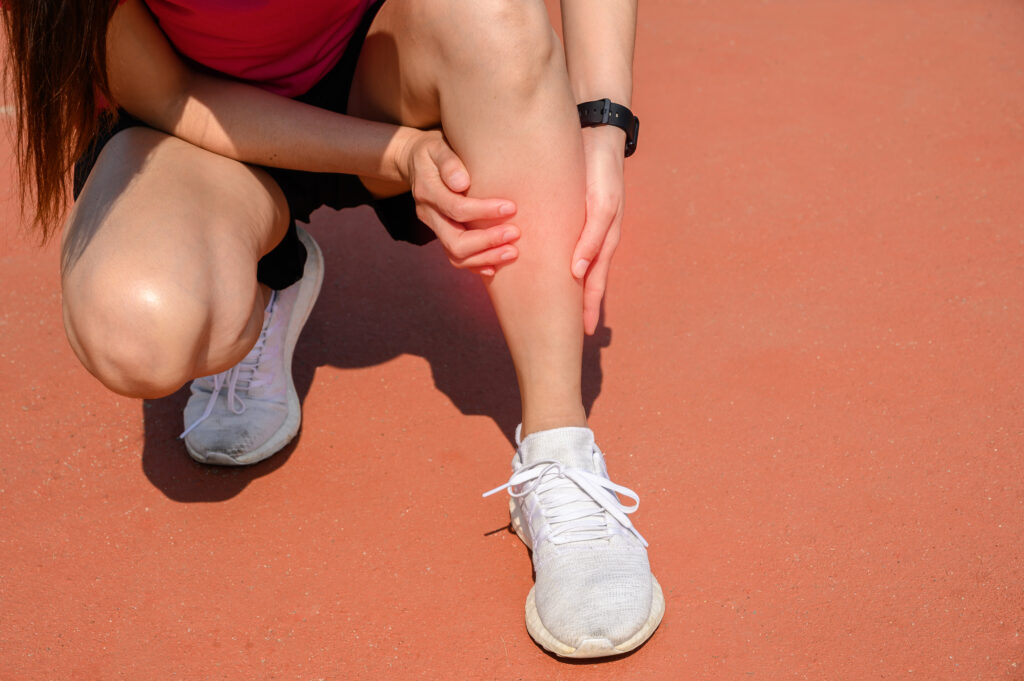
That dull ache along your shin used to fade after a mile or two. Now it’s showing up before you even hit your usual pace, and it’s starting to make you dread lacing up. If you’re searching for how to prevent shin splints when running, the good news is that this is one of the most common — and most preventable — running injuries out there, and there’s a clear path to fixing it.
When Every Run Ends in Shin Pain
You’ve tried backing off your mileage. You’ve tried running on softer surfaces. You’ve even tried a new pair of shoes. And yet, a few minutes into your run, that familiar tightness along the front of your lower leg shows up again. For runners training along the Perkiomen Trail, Green Ribbon Trail, or the roads throughout Bucks and Montgomery Counties, this kind of recurring shin pain can turn a favorite part of your day into something you brace for.
Shin splints are frustrating precisely because they’re inconsistent — some days you can push through, other days the pain shows up almost immediately. That unpredictability is often a sign that your training load, biomechanics, or recovery routine need a closer look, not just your shoes. Understanding how to prevent shin splints when running starts with understanding why they’re happening in the first place, and that’s exactly where a physical therapist’s evaluation makes the difference between guessing and actually solving the problem.
What Are Shin Splints? Understanding Medial Tibial Stress Syndrome
“Shin splints” is the common name for a condition physical therapists call medial tibial stress syndrome, or MTSS — pain along the inner edge of the shinbone caused by repetitive stress on the muscle, tendon, and bone tissue in that area. It’s one of the most frequent overuse injuries among runners: research published in the International Journal of Sports Physical Therapy (2025) found that MTSS accounts for roughly 9.1% of all running-related injuries, with incidence rates ranging from 13.6% to 20% among runners. In plain terms, if you’re dealing with this, you’re dealing with something extremely common — and well understood.
Why Runners Get Shin Splints
Shin splints rarely come from a single bad run. They’re usually the result of several small stressors adding up faster than your lower leg tissue can adapt. Identifying which of these factors applies to you is often the first step a physical therapist takes during a shin pain physical therapy evaluation, since the right fix depends heavily on the actual cause.
Training Load
Ramping up mileage, intensity, or frequency too quickly is one of the most common triggers. Tissue needs time to adapt to new demands, and jumping from casual jogging to marathon training — or adding speed work before your legs are ready — often overwhelms the shinbone and surrounding muscles before they’ve had a chance to strengthen.
Footwear
Worn-out shoes lose their ability to absorb impact, which shifts more stress onto your shins with every stride. Shoes that don’t match your foot type or running mechanics can have a similar effect, even if they’re brand new.
Running Surface
Consistently running on hard, unforgiving surfaces — think sidewalks and paved roads throughout Bucks and Montgomery Counties — increases the impact your lower legs absorb with each step. Switching up terrain, or incorporating trails like the Perkiomen Trail into your routine, can help distribute that load differently.
Biomechanics
How your foot strikes the ground, how your hips and ankles move during your stride, and even flat or overly rigid arches can all change how force travels up your leg. These patterns aren’t something you can typically fix by watching a video — they’re best identified through a hands-on movement assessment.
How to Prevent Shin Splints When Running
Once you understand what’s driving your shin pain, prevention comes down to building strength and resilience in the muscles that support your lower leg. Below are exercises commonly recommended to help prevent shin splints when running, along with why each one matters.
While these exercises can be a helpful starting point, we strongly recommend working with a licensed physical therapist before starting any new exercise program — especially if you’re managing pain, recovering from an injury, or post-surgical. A therapist can assess your specific situation and ensure these movements are appropriate and safe for you.
Standing Calf Raises
Your calf muscles absorb a significant amount of shock with every stride. When they fatigue or aren’t strong enough to keep up with your mileage, more stress gets transferred to the bone and tissue along your shin. Building calf strength helps distribute that load more evenly.
Skip this if: You have acute Achilles pain or a recent calf strain.
Tibialis Anterior Strengthening
The tibialis anterior — the muscle running along the front of your shin — controls how your foot lowers to the ground after your heel strikes. A weak tibialis anterior often means your foot slaps down with more force, which is one of the more direct contributors to shin splints. Strengthening it helps your foot land with more control.
Skip this if: You have acute pain directly over the shinbone that increases with this exercise — check with a therapist first.
Single-Leg Balance Work
Running is, at its core, a series of single-leg movements. Poor balance and stability on one leg can lead to compensations further up the chain — at the hip, knee, or ankle — that indirectly increase stress on your shins. Balance training improves control at the exact moment your foot is absorbing impact.
Skip this if: You have balance issues or dizziness — practice near a wall or sturdy surface for safety.
Ankle Mobility Work
Limited ankle mobility can change how your foot strikes the ground and how force travels up your leg. Improving mobility through the ankle joint allows for a smoother, more natural stride pattern, which reduces repetitive strain on the shin.
Skip this if: You have a suspected ankle fracture or acute swelling.
Hip Strengthening
Weak hip muscles, particularly the hip abductors, can allow your knee and lower leg to collapse inward slightly with each stride. Over time, this altered alignment increases stress on the shin. Strengthening the hips helps keep your entire lower leg aligned properly during running.
Skip this if: You have acute hip or lower back pain.
These exercises target the underlying mechanics that contribute to shin splints, but they work best as part of a broader, therapist-guided plan rather than a standalone fix. A physical therapist can identify which of these factors matter most for your specific running mechanics and build a program around your actual training goals.
How Orthopedic Physical Therapy at CORE 3 Helps Runners
Self-directed exercises can go a long way, but if shin pain keeps coming back despite your best efforts, it’s often a sign that something in your training, mechanics, or recovery routine needs a closer, more individualized look. That’s where orthopedic physical therapy at CORE 3 Physical Therapy comes in. Rather than guessing at what’s causing your shin splints, our team evaluates your specific movement patterns, training history, and running mechanics to build a treatment plan around the actual source of your pain.
Here’s what sets treatment at CORE 3 apart:
- One-on-one care with a Doctor of Physical Therapy. You work directly with your therapist throughout your visit — not handed off to an aide or assistant.
- Board-certified specialists. Our therapists hold advanced specialty certifications that fewer than 20% of physical therapists nationwide obtain, giving you a deeper level of expertise for running-related injuries.
- Direct Access physical therapy for runners. Pennsylvania is a Direct Access state, which means you can schedule an evaluation with us without a physician referral — helpful when you’d rather start treatment now than wait on a doctor’s appointment while your training stalls.
- Privately owned care model. As an independent clinic, we’re able to offer more individualized attention and treatment planning than larger PT chains typically provide.
- Care for every stage of your running life. Whether you’re training for your first 5K or you’ve run marathons for years, we treat runners of all ages and experience levels.
A thorough evaluation typically includes a gait and movement assessment, a review of your training history, and hands-on testing of strength and mobility around the hip, ankle, and lower leg. From there, your therapist builds a plan that addresses the root cause — not just the symptom — so you can get back to training with more confidence.
Frequently Asked Questions
Can I keep running with shin splints?
In many cases, mild shin splints don’t require you to stop running completely, but continuing to train through worsening or sharp pain can delay healing and increase your risk of developing a stress fracture. A physical therapist can help you determine a safe activity modification plan — often reducing mileage or intensity temporarily rather than stopping altogether — based on your specific presentation.
How long does it take shin splints to heal?
Recovery timelines vary depending on how long you’ve had symptoms, your training history, and how quickly the underlying cause is addressed. Mild cases may improve within a few weeks with appropriate load management and strengthening, while more persistent cases can take longer, particularly if the contributing factors — like footwear or biomechanics — aren’t corrected.
Do I need a referral to see a physical therapist in Pennsylvania?
No. Pennsylvania is a Direct Access state, which means you can schedule an appointment with a physical therapist, including our team at CORE 3, without first seeing a physician. This allows you to start treatment sooner rather than waiting on a referral.
What’s the difference between shin splints and shin pain from a stress fracture?
Shin splints typically cause pain along a broader area of the shin that tends to ease with rest, while a stress fracture usually produces more focal, pinpoint pain that can persist even at rest and may worsen with continued activity. Because the two can feel similar in the early stages, a physical therapist can help assess your symptoms and determine whether further imaging is warranted.
Getting Back to Pain-Free Running
Shin splints are common, but they’re also highly manageable once you understand what’s driving them. Whether the cause is training load, footwear, running surface, or biomechanics, addressing the root issue — rather than just pushing through the discomfort — is what allows most runners to get back to consistent training.
If shin pain has been holding you back and you’re ready to get to the bottom of it, our team at CORE 3 Physical Therapy is here to help. You don’t need a referral — Pennsylvania is a Direct Access state, and you can schedule directly at any of our locations across Bucks and Montgomery Counties, or reach out through our contact page to get started. Find the clinic nearest you below and take the first step toward running comfortably again.
CORE 3 Locations
CORE 3 Limerick
536 N. Lewis Rd, Limerick, PA 19468
484-938-5403
CORE 3 Hatfield
1691 Bethlehem Pike, Hatfield, PA 19440
267-308-5330
CORE 3 East Norriton
325 W. Germantown Pike, Suite 105, East Norriton, PA 19403
267-534-7614
CORE 3 Chalfont
100 Stewart Lane, Chalfont, PA 18914
215-789-6543
CORE 3 Warrington
865 Easton Rd, Suite 190, Warrington, PA 18976
267-748-2081
All locations also offer Telehealth appointments via Doxy.me for eligible patients throughout Pennsylvania.
Disclaimer: The information provided in this article is for general informational purposes only and does not constitute medical advice. Physical therapy treatment plans, techniques, and outcomes vary by individual, condition, and clinical presentation. The exercises and information described here are intended as general education and are not a substitute for evaluation and treatment by a licensed physical therapist. If you are experiencing pain, injury, or any medical condition, consult with a licensed healthcare provider before beginning any exercise or treatment program.

Hatfield
1691 Bethlehem Pike
Hatfield, PA 19440
Phone: 267-308-5330
Fax: 267-308-5331
Chalfont
100 Stewart Ln,
Chalfont, PA 18914
Phone: 215-789-6543
Fax: 215-789-6544
East Norriton
325 West Germantown Pike, Suite 105
East Norriton, PA, 19403
Phone: 267-534-7614
Fax: 267-534-7615
Limerick
536 North Lewis Rd
Limerick, PA, 19468
Phone: 484-938-5403
Fax: 484-938-5164
Warrington
865 Easton Rd, Suite 190
Warrington, PA 18976
Phone: 267-748-2081
Fax: 267-748-2082