
Does Physical Therapy Help After Prostatectomy? What to Know
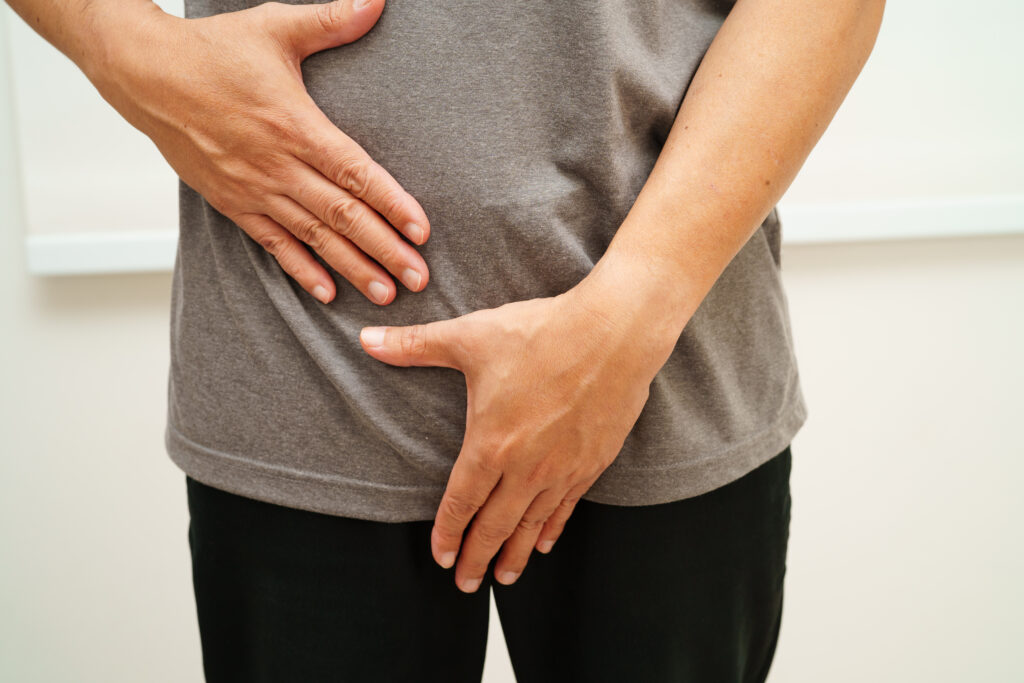
Prostate surgery can save your life, but recovering full control over your body afterward is its own challenge. If you’re dealing with leakage, weakness, or discomfort since your procedure, you may be wondering: does physical therapy help after prostatectomy? The short answer is yes — and understanding how it works can make the difference between a slow, frustrating recovery and one that moves forward with a clear plan.
The Real Impact of Prostatectomy on Pelvic Health
A prostatectomy changes more than just your prostate. The surgery sits close to muscles, nerves, and structures that control bladder function and sexual health, so it’s common for men to notice changes in those areas once they’re home and recovering. For many men across Bucks and Montgomery Counties, this is the part of recovery nobody fully prepared them for — the physical part is healing, but daily function doesn’t automatically bounce back with it.
This is exactly where physical therapy after prostatectomy becomes part of the conversation. The pelvic floor muscles, which support the bladder and play a role in sexual function, are directly affected by the surgery. Left untreated, weakness or dysfunction in these muscles can extend recovery timelines and make everyday activities — coughing, lifting, exercising, even laughing — feel unpredictable.
The good news is that pelvic health after prostate surgery responds well to targeted treatment. Your body isn’t broken; it’s adjusting to a significant surgical change, and that adjustment period is exactly what a structured recovery plan is designed to address.
What Happens to the Pelvic Floor After Prostate Surgery
During a prostatectomy, the prostate sits in close proximity to the pelvic floor muscles, the urinary sphincter, and the nerve bundles responsible for erectile function. Removing the prostate can temporarily disrupt all three, which is why the recovery period often looks different than patients expect — even when the surgery itself went well.
Urinary Incontinence
Incontinence is the most common issue men face after a prostatectomy. The urinary sphincter relies on pelvic floor muscle support to stay closed under pressure, and surgery can weaken that support system. According to research published in the National Library of Medicine’s PubMed Central database (2025), incidence rates of urinary incontinence after radical prostatectomy have been reported between 5% and 60%, depending on surgical technique, age, and individual anatomy. That wide range reflects how much recovery varies from person to person — which is exactly why a general timeline isn’t especially useful, but a personalized plan is.
Erectile Dysfunction
The nerve bundles that control erectile function run directly alongside the prostate. Even with a nerve-sparing surgical approach, these nerves can be stretched or temporarily impaired during the procedure, leading to erectile dysfunction in the months following surgery. Pelvic floor physical therapy for men doesn’t replace medical treatment for ED, but improving blood flow and muscle function in this region can support the broader recovery process.
Pelvic Pain
Less commonly discussed, but still relevant, is pelvic pain or tightness after prostatectomy. Scar tissue formation and muscle guarding — the body’s protective tensing response after surgery — can lead to discomfort that lingers well after the incision itself has healed. This is often overlooked because patients expect surgical pain to resolve on a set timeline, when muscular tension can persist independently of the surgical wound.
Does Physical Therapy Help After Prostatectomy?
Yes. pelvic floor physical therapy is considered a first-line, non-surgical treatment for post-prostatectomy urinary incontinence, and a growing body of research supports its role in recovery. Rather than relying on generic Kegel exercises alone, an individualized approach — one that assesses whether your pelvic floor muscles are underactive, overactive, or both — tends to produce better results than a one-size-fits-all strengthening program.
Beyond incontinence, physical therapy after prostatectomy can also address the muscle guarding and scar tissue tension discussed earlier, and support the blood flow and neuromuscular coordination involved in sexual function. The goal isn’t just to strengthen muscles — it’s to retrain how your pelvic floor works as a coordinated system again.
What Post-Prostatectomy Physical Therapy Involves
Once you’ve been evaluated, a post-prostatectomy physical therapy program typically combines a few core treatment approaches, layered together based on what your assessment reveals.
Pelvic Floor Muscle Training
This goes beyond basic Kegels. A physical therapist first determines whether your pelvic floor muscles are weak, overly tense, or both — since men are often surprised to learn that tight, guarded muscles can cause the same leakage symptoms as weak ones. From there, training is built around your specific pattern, targeting coordination and timing, not just raw strength.
Biofeedback
Biofeedback uses sensors to show you, in real time, how and when your pelvic floor muscles are contracting. Many men have never consciously engaged these muscles before, so this visual or auditory feedback helps you learn to isolate and control them accurately — something that’s difficult to do from verbal instruction alone.
Bladder Retraining
Bladder retraining focuses on the habits and timing around urination, not just the muscles themselves. This can include scheduled voiding, urge-suppression techniques, and gradually extending the time between bathroom trips to help the bladder and pelvic floor relearn how to work together.
Together, these approaches form the foundation of pelvic floor physical therapy for men recovering from prostate surgery. The specific combination and pacing depend on your evaluation findings, your surgical history, and how your body is responding to recovery so far.
What to Expect at CORE 3 Physical Therapy
If you’re considering pelvic floor physical therapy after prostatectomy, knowing what your care actually looks like can make the decision easier. At CORE 3 Physical Therapy, your treatment starts with a thorough one-on-one evaluation with a Doctor of Physical Therapy — not a rotating aide or a generic program pulled from a template.
Here’s what sets that experience apart:
- One-on-one care, every visit. You work directly with your physical therapist for the full session, not shared between multiple patients at once.
- Board-certified specialists. Our team holds advanced specialty certifications that fewer than 20% of physical therapists nationwide obtain, including training specific to pelvic health.
- No referral required. Pennsylvania is a Direct Access state, so you can schedule an evaluation with us directly, without waiting on a physician referral first.
- Privacy and comfort built in. We understand that pelvic floor care is a sensitive topic, and our clinics are set up to make these conversations and evaluations feel private and respectful.
- A privately owned clinic. As an independent practice — not part of a large regional chain — your care plan is built around your recovery, not a corporate quota.
This combination means your treatment plan is based on your actual evaluation findings, not a one-size-fits-all protocol. For a recovery process as personal as this one, that distinction matters.
Frequently Asked Questions
Do I need a referral for pelvic floor physical therapy in Pennsylvania?
No. Pennsylvania is a Direct Access state, which means you can schedule an evaluation with a physical therapist without a physician referral. This allows you to start pelvic floor physical therapy for men soon after surgery, rather than waiting on an additional appointment just to get a referral in hand.
When should I start physical therapy after prostatectomy?
Timing depends on your surgeon’s clearance and your individual recovery, but many men begin pelvic floor physical therapy within the first few weeks after surgery, once cleared for activity. Starting earlier, when appropriate, generally allows more time to build coordination and strength before symptoms have a chance to become long-standing habits.
Is pelvic floor therapy embarrassing or uncomfortable?
It’s a common concern, but sessions are conducted with the same clinical professionalism as any other physical therapy evaluation. Your therapist will explain each step before it happens, and treatment is tailored to your comfort level throughout — there’s no assumption that every technique applies to every patient.
How long does it take to see results?
Recovery timelines vary based on your surgical history, the severity of your symptoms, and how consistently you engage with your treatment plan. Some men notice improvements in bladder control within the first several weeks of therapy, while others require a longer, more gradual process — your therapist can give you a realistic sense of your timeline after your initial evaluation.
Can physical therapy help with erectile dysfunction after surgery?
Physical therapy isn’t a standalone treatment for erectile dysfunction, but improving pelvic floor muscle function and blood flow in the region can support the broader recovery process alongside any medical treatment your urologist recommends. It’s often most effective as one part of a coordinated recovery plan rather than a replacement for other ED treatments.
Moving Forward with Confidence
Recovering from a prostatectomy takes time, and the changes to your bladder control, pelvic muscles, and sexual function are a normal part of that process — not a sign that something went wrong. The question of does physical therapy help after prostatectomy has a clear answer: for most men, a structured, individualized program addressing the pelvic floor plays a meaningful role in getting back to daily life with more confidence and control.
If you’ve been managing incontinence, pelvic discomfort, or other changes since your surgery, our team at CORE 3 Physical Therapy is here to help you build a plan around your specific recovery. You don’t need a referral — Pennsylvania is a Direct Access state, and you can schedule directly at any of our clinics across Bucks and Montgomery Counties. Find the location nearest you below and take the next step in your recovery.
Prefer to reach out first? Contact us and our team will help you find the right next step.
CORE 3 Physical Therapy Locations
CORE 3 Limerick
536 N. Lewis Rd, Limerick, PA 19468
484-938-5403
CORE 3 Hatfield
1691 Bethlehem Pike, Hatfield, PA 19440
267-308-5330
CORE 3 East Norriton
325 W. Germantown Pike, Suite 105, East Norriton, PA 19403
267-534-7614
CORE 3 Chalfont
100 Stewart Lane, Chalfont, PA 18914
215-789-6543
CORE 3 Warrington
865 Easton Rd, Suite 190, Warrington, PA 18976
267-748-2081
All locations also offer Telehealth appointments via Doxy.me for eligible patients throughout Pennsylvania.
Disclaimer: The information provided in this article is for general informational purposes only and does not constitute medical advice. Physical therapy treatment plans, techniques, and outcomes vary by individual, condition, and clinical presentation. The exercises and information described here are intended as general education and are not a substitute for evaluation and treatment by a licensed physical therapist. If you are experiencing pain, injury, or any medical condition, consult with a licensed healthcare provider before beginning any exercise or treatment program.

Hatfield
1691 Bethlehem Pike
Hatfield, PA 19440
Phone: 267-308-5330
Fax: 267-308-5331
Chalfont
100 Stewart Ln,
Chalfont, PA 18914
Phone: 215-789-6543
Fax: 215-789-6544
East Norriton
325 West Germantown Pike, Suite 105
East Norriton, PA, 19403
Phone: 267-534-7614
Fax: 267-534-7615
Limerick
536 North Lewis Rd
Limerick, PA, 19468
Phone: 484-938-5403
Fax: 484-938-5164
Warrington
865 Easton Rd, Suite 190
Warrington, PA 18976
Phone: 267-748-2081
Fax: 267-748-2082