
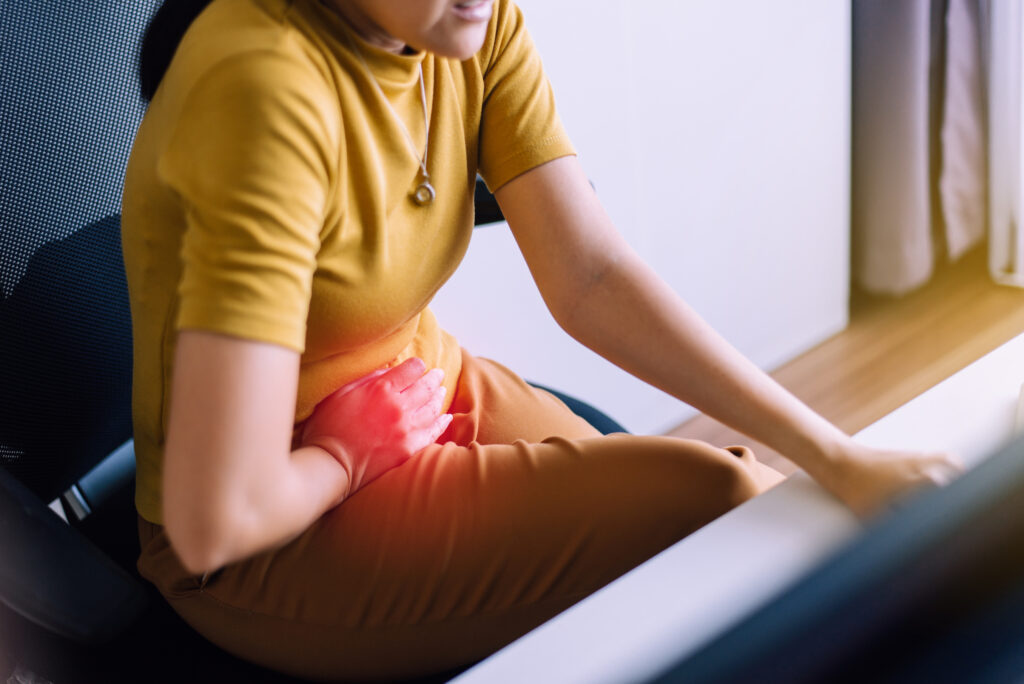
While many people are still unfamiliar with pelvic health physical therapy, this category is gaining traction in recent years. Physical therapy offices with an expertise in pelvic health services are beginning to emerge as a great option for those who experience issues housed in this area of the body. Pelvic health problems can be hard to treat because many people accept the pain as “just another part of life” – meaning that suffering individuals miss out on solutions that could bring them relief for years to come.
In this article, we’re addressing the six most common misconceptions held by many people about this essential area within physical therapy.
- The only people with pelvic health issues are those preparing for or recovering from childbirth. While the majority of pelvic health issues do result from the bodily changes that occur during pregnancy and childbirth, the idea that pelvic health is an exclusive concern to expectant mothers is false. Many pelvic health issues can occur regardless of whether or not one becomes a parent.
- Those in old age should just “suck it up” when it comes to pelvic floor dysfunction. It’s a common belief in society that we should just accept increased difficulty and pain as we get older. It’s true that some bodily functions can become problematic in old age, but pelvic floor dysfunction is not something a person needs to resign themselves to, whatever their age.
- Pelvic floor therapy is only for women. A person with a female anatomical structure houses more essential systems in their pelvic floor. However, pelvic floor pain is not exclusive to any sex. Physical therapists treat anyone who is suffering from incontinence, tailbone pain, bowel dysfunction, pain during sex, and other conditions.
- Kegels are enough – professional help with pelvic floor concerns is not necessary. While Kegels (a popular at-home exercise) may keep the pelvic floor muscles strong, they don’t render the field of pelvic health unnecessary. There are so many internal issues that cannot be helped using Kegels – but a proper physical therapy regimen could do the trick.
- Pelvic floor specialists aren’t “real” physical therapists. Pelvic health specialists require a doctoral/masters degree in physical therapy, along with years of additional experience in the field in order to claim the specialty.
- Pelvic floor issues are always genetic. There is a misconception that pelvic floor problems, like urinary incontinence, are largely genetic and therefore untreatable. Don’t let the fact that your parents or grandparents also suffered from a similar condition stop you from receiving professional help with your own pain and discomfort.
We hope that this article has helped you or a loved one with pelvic health issues get clear on why these concerns are so important to address.
For assistance with pelvic health issues, there is no better resource in Pennsylvania than Core 3 Physical Therapy. Our team of licensed professionals hold special expertise in this key area. Our methods distinguish us from other physical therapy options that may not offer the same resources. All three of our locations are walk-in facilities, so we can treat you without a referral. Set up a consultation with us today to learn more!
