
C-Section Recovery Physical Therapy in Warrington — Safe, Effective Postpartum Care
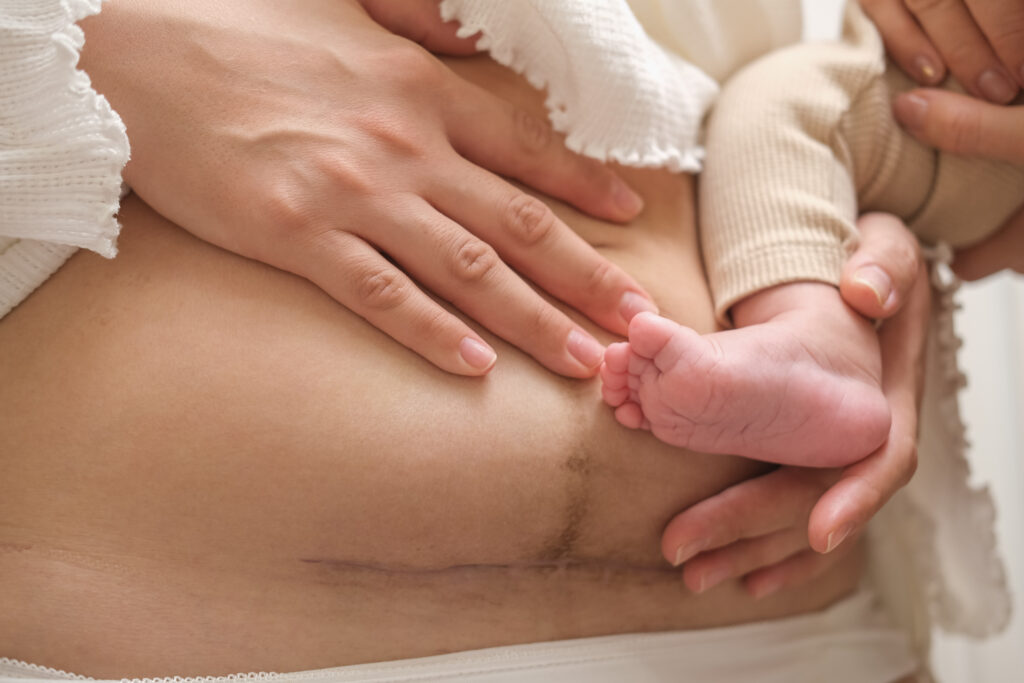
Recovering from a C-section is a unique journey—one that deserves compassionate guidance, expert support, and a plan that truly honors what your body has been through. At Core 3 Physical Therapy, we understand that healing after childbirth isn’t just about getting back to your routine; it’s about feeling strong, confident, and connected to your body again. That’s why many new mothers turn to c-section recovery physical therapy in Warrington to help them heal safely and effectively.
A C-section is major abdominal surgery, and it affects far more than the incision site. Your core, pelvic floor, posture, breathing mechanics, and overall movement patterns can all feel different in the weeks and months that follow. With the right postpartum physical therapy approach—one that includes focused support like pelvic floor therapy—you can reduce pain, rebuild strength, and return to daily activities without fear or discomfort.
Why Postpartum Physical Therapy Is Essential After a C-Section
A C-section brings your baby safely into the world, but it also places significant stress on your abdominal wall, pelvic floor, and overall core system. Even though the incision is on your abdomen, many new mothers are surprised to learn how much the surgery affects muscles, nerves, breathing patterns, and posture. This is why postpartum physical therapy plays such a vital role in helping you heal fully and comfortably.
Without guided recovery, it’s common to experience issues such as lingering core weakness, scar tenderness, back or hip pain, urinary leakage, and difficulty returning to exercise. These challenges are not “just part of having a baby”—they are signs that your body needs support and retraining. A skilled physical therapist can help you reconnect with your deep core muscles, improve circulation for better healing, and safely rebuild strength in the weeks and months after birth.
For mothers seeking c-section recovery physical therapy in Warrington, the goal isn’t simply to “bounce back.” Instead, the focus is on healing with intention—restoring strength gradually, improving mobility, and helping you feel confident in your body again. Treatments may include breathing coordination, gentle mobility work, early core activation, and eventually a personalized strengthening plan that works with your lifestyle.
Postpartum care is not one-size-fits-all. Your delivery experience, your symptoms, and even your daily responsibilities shape your recovery needs. At Core 3 Physical Therapy, we tailor your postpartum physical therapy plan to help you move well, feel supported, and prevent long-term complications. Whether this is your first baby or your third, your body deserves thoughtful, expert care during this important healing phase.
How Pelvic Floor Therapy Helps With C-Section Recovery
Many people assume that because a C-section bypasses the vaginal canal, the pelvic floor isn’t affected. In reality, pregnancy itself places a tremendous amount of pressure on the pelvic floor muscles, and the abdominal surgery can further disrupt how these muscles coordinate with your core. This is why pelvic floor therapy is an important part of healing after a C-section.
During pregnancy, the pelvic floor works harder to support the weight of your growing baby. Hormonal changes also increase ligament laxity, which can leave the pelvic floor feeling weak or unresponsive after delivery. Even without a vaginal birth, it’s common to experience issues such as urinary leakage, pelvic heaviness, pain with movement, or core instability. Pelvic floor therapy helps restore strength and function to these deep, supportive muscles so you can move comfortably and confidently.
For mothers seeking c-section recovery physical therapy in Warrington, pelvic floor therapy adds a powerful layer of healing. It helps reconnect your pelvic floor with your core muscles, improves breathing mechanics, and supports better posture—all essential pieces of your recovery puzzle. Pelvic floor therapy can also improve scar mobility, reduce pressure around the incision, and prevent symptoms from turning into long-term concerns.
The Timeline of Healing After a C-Section: What to Expect Week by Week
Every mother heals differently, but understanding what typically happens in the weeks and months after a C-section can help you feel more confident and prepared. Recovery is not linear, and it’s normal to experience good days and slower days. The goal is steady progress—not perfection. Below is a general timeline to help you know what to expect, as well as how c-section recovery physical therapy in Warrington can support you at each stage.
Week 1–2: Early Healing and Gentle Movement
In the first two weeks, your body is focused on closing the incision, reducing inflammation, and stabilizing your abdominal tissues. You may feel soreness, tightness, and fatigue, which is completely normal. During this stage:
- Walking short distances helps circulation and healing.
- Gentle breathing exercises can reduce tension around your incision.
- You should avoid lifting anything heavier than your baby.
Pelvic floor therapy and postpartum physical therapy are usually not started yet, but this is an ideal time to learn safe early movements, scar protection strategies, and positions that make feeding and daily activities more comfortable.
Week 3–6: Rebuilding Core Awareness
This stage often brings the most noticeable improvement. Pain typically decreases, and mobility slowly increases. You may still feel weak around your core or experience pulling sensations near the incision.
With guidance from a physical therapist:
- You may begin gentle core activation focused on deep muscles.
- Scar tissue mobility education usually starts—always safely and gently.
- Pelvic floor exercises may be introduced to improve awareness and coordination.
If you’re seeking structured support, this is often when mothers begin c-section recovery physical therapy in Warrington to make sure they’re healing correctly and not compensating with poor movement patterns.
Week 6–12: Strengthening and Functional Movement
By six weeks, most women are cleared by their medical provider to start more intentional movement. This doesn’t mean your body is fully healed, but it does mean you can begin rebuilding strength safely.
Physical therapy at this stage may include:
- Progressive core strengthening
- Pelvic floor therapy for improving stability and reducing symptoms
- Posture and alignment training
- Gentle return-to-exercise plans tailored to your goals
This is where postpartum physical therapy truly begins to create major changes in how your body feels and functions.
3–12 Months: Long-Term Recovery and Return to Exercise
Many mothers are surprised to learn that full recovery can take close to a year. Even if you feel “mostly normal,” deeper tissues and muscles are still gaining strength and coordination. This phase is about long-term restoration and building confidence in your body.
At this stage, physical therapy focuses on:
- Higher-level core and pelvic floor strengthening
- Preparing for running, weightlifting, or more intense exercise
- Resolving lingering symptoms such as scar tightness, back pain, or leakage
- Restoring full-body balance and coordination
With consistent care, you can return to your favorite activities safely and feel truly strong—not just functional.
When You Can Safely Start Physical Therapy After a C-Section
One of the most common questions new mothers ask is, “When can I start physical therapy after my C-section?” The good news is that healing support can begin sooner than many people realize—often long before your traditional six-week postpartum checkup. The key is knowing which types of movement and therapy are appropriate at each stage.
Early Support (Within the First 2 Weeks)
In the first days and weeks after surgery, the focus is on rest, gentle mobility, and protecting your incision. While you won’t begin hands-on treatment or targeted strengthening yet, a physical therapist can still help by guiding you through:
- Safe positions for feeding and sleeping
- Gentle breathing strategies to reduce abdominal tension
- Tips for protecting your scar and avoiding discomfort
- Gradual walking programs that support circulation
This early education can make a big difference in reducing pain and preventing poor movement habits later.
Starting Structured Physical Therapy (Around 3–6 Weeks)
Most mothers begin c-section recovery physical therapy in Warrington between three and six weeks postpartum, depending on how they’re healing and what their provider recommends. By this time, your tissues have had time to close and settle, and you may be ready for:
- Gentle core activation
- Pelvic floor awareness exercises
- Mobility work for your back, hips, and ribcage
- Scar tissue management education
If you’re experiencing symptoms like back pain, pelvic pressure, core weakness, or difficulty with daily activities, this window is an ideal time to get supportive care.
Beginning Pelvic Floor Therapy (Around 6–8 Weeks)
Internal pelvic floor therapy typically begins once you receive medical clearance, often around six to eight weeks postpartum. This ensures your tissues are healed enough for internal assessment if needed. Many mothers find that pelvic floor therapy helps improve issues like urinary leakage, pressure, or difficulty reconnecting with their core.
It’s Never Too Late to Start
Even if you’re months—or years—beyond childbirth, postpartum physical therapy can still help. Scar tightness, pelvic pain, diastasis recti, and core weakness often linger long-term without proper support. You deserve to feel strong, and it’s never too late to begin that healing process.
When in doubt, the safest option is to speak with a physical therapist who understands postpartum recovery. Our team in Warrington is always here to guide you confidently and safely forward.
What a C-Section Recovery Physical Therapy Session Looks Like
When you come in for c-section recovery physical therapy in Warrington, you’ll be welcomed into a calm, supportive environment where your comfort and safety come first. Every session is personalized, so you’ll never feel rushed or pressured. Instead, we work at your pace and build your confidence step by step.
Here’s what you can typically expect during a session at our Warrington clinic:
1. Gentle Assessment and Conversation
Your therapist begins by asking about your delivery, how you’re feeling physically and emotionally, and what goals you have—whether that’s returning to exercise, reducing pain, improving mobility, or simply feeling more connected to your core again.
We may assess:
- Posture and alignment
- Breathing mechanics
- Core engagement
- Pelvic floor muscle function
- Scar mobility and tenderness
This helps us understand exactly what your body needs so we can create a plan that feels right for you.
2. Hands-On Techniques and Scar Work
Many women experience tightness, pulling, or numbness around their C-section scar. Gentle scar massage and mobility techniques—done only when it’s safe to do so—can help:
- Reduce discomfort
- Improve circulation
- Restore movement in surrounding tissues
- Prevent long-term scar adhesions
These techniques are always performed with your full comfort and consent.
3. Guided Pelvic Floor and Core Retraining
Your core and pelvic floor work as a team, and after a C-section, that connection often needs to be re-established. Your session may include:
- Pelvic floor relaxation and activation
- Gentle core engagement (no crunches or strain)
- Posture coaching to relieve pressure on the incision
This is a major part of postpartum physical therapy and helps build a healthy foundation for more advanced movement later.
4 Exercises Commonly Used in C-Section Recovery Physical Therapy
Here are four safe, effective exercises that are often part of early postpartum rehab:
1. Diaphragmatic Breathing
This simple breathing exercise reduces abdominal tension, activates deep core muscles, and supports pelvic floor coordination.
You’ll learn how to breathe in a way that helps your core heal from the inside out.
2. Pelvic Tilts
While lying on your back or seated, pelvic tilts help restore mobility in your spine and reduce low back stiffness.
This also gently engages your lower abdominals without strain.
3. Heel Slides
A controlled leg movement that strengthens deep core muscles and improves coordination without putting pressure on your incision.
4. Modified Bridges
A supported bridge exercise activates your glutes, stabilizes your pelvis, and trains your core in a safe, progressive way. Your therapist will guide you on proper form to avoid discomfort.
Each exercise is tailored to your current stage of healing. As your strength improves, your therapist will safely progress you into more functional movements, such as squats, lifting mechanics, and low-impact cardio options.
Early physical therapy focused on breathing, gentle mobility, and core-pelvic floor coordination has been shown to reduce long-term dysfunction and improve abdominal strength. Many mothers report less pain, more confidence, and faster return to daily activities when they begin guided therapy during postpartum healing.
The combination of pelvic floor therapy, deep core retraining, and customized postpartum exercise programs creates a strong, healthy foundation for long-term recovery—one that helps you feel like yourself again.
Why Choose Our Clinic for C-Section Recovery Physical Therapy in Warrington
At Core 3 Physical Therapy, we know that your postpartum journey deserves kindness, expertise, and a truly personalized approach. When you choose our clinic for c-section recovery physical therapy in Warrington, you’re choosing a team that understands the unique needs of mothers healing after a C-section.
Here’s what makes our Warrington clinic the right choice:
- Certified & Specialized Physical Therapists
Our team is trained specifically in pelvic floor therapy, postpartum physical therapy, diastasis recti rehab, and C-section scar management.
- A Welcoming, Supportive Environment
You’ll feel heard, respected, and supported every step of the way—no judgment, no rush.
- Personalized Treatment Plans
Every recovery is different. Your plan is tailored to your body, your goals, and your stage of healing.
- Whole-Body, Holistic Care
We look at everything—your core, pelvic floor, posture, breathing, strength, mobility, and daily habits.
- Convenient Location in Warrington
You can find us at 865 Easton Rd, Suite 190, Warrington, PA 18976.
When you come to our clinic, you’ll receive one-on-one care, a gentle and effective recovery plan, and support that helps you feel strong and confident again. We’re here to walk this journey with you, at your pace, with a personalized approach that honors your body and your experience.