
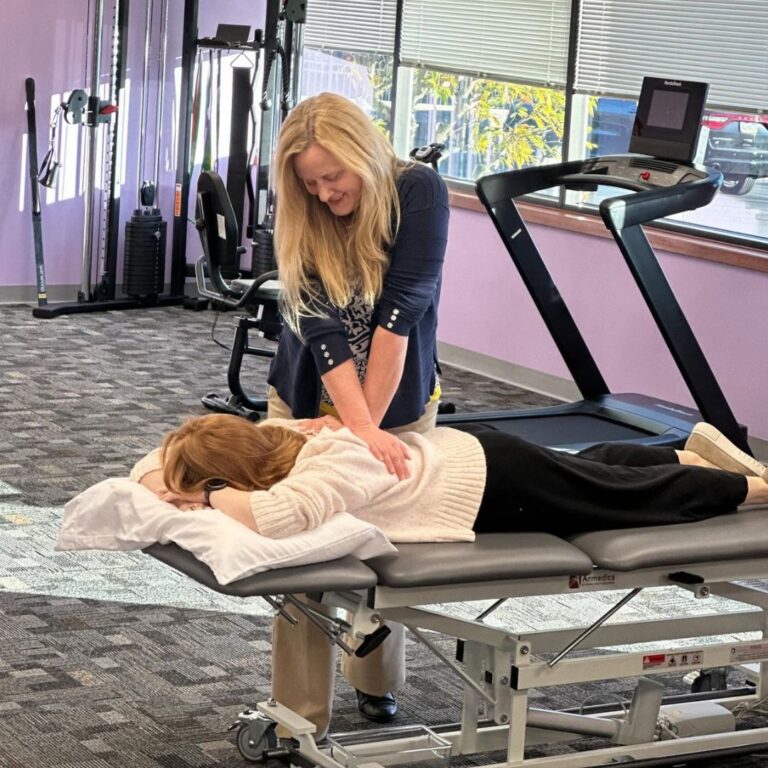
Physical therapy for mental health is more than a buzzy phrase — it’s a real, evidence-backed connection. Moving your body doesn’t just build strength and mobility; it changes brain chemistry, lowers stress hormones, and eases the physical pain that so often feeds anxiety and low mood. At CORE 3 Physical Therapy, we see this connection every day in the clinic, and it’s one of the reasons a personalized movement plan can be such a meaningful part of supporting your overall well-being.
This article isn’t a substitute for a diagnosis or a personalized treatment plan — if you’re managing depression, anxiety, or chronic pain, talk with your physician and a physical therapist about what’s right for you. But if you’re curious how physical therapy for mental health actually works, here’s what the research and our own clinical experience show.
Physical Therapy Exercises Can Help Reduce Symptoms of Depression
Regular exercise is one of the most well-supported non-drug tools for easing mild to moderate depression symptoms. Movement prompts the release of endorphins and other mood-regulating chemicals in the brain, and for many people, a consistent routine works alongside — not instead of — any treatment their physician has recommended.
A physical therapist’s role here is to build that routine around you, not hand you a generic worksheet. Our orthopedic physical therapy team takes into account your current fitness level, any injuries or limitations, and the health goals you actually care about, then builds a plan you can realistically stick with. Consistency matters more than intensity, and a plan that fits your life is one you’re far more likely to keep.
Less Stress Means Stronger Mental Health
Exercise gives your mind a genuine break from stress, not just a distraction from it. When you’re focused on engaging a specific muscle group or working through a guided movement, your attention shifts away from racing thoughts and onto your body — a shift that itself has a calming effect. Over time, regular movement also helps regulate the stress hormones your body produces under pressure.
This is one of the simplest, most consistent benefits our patients report: even a short, well-structured session can leave you feeling noticeably steadier by the end of it. If ongoing stress is part of what brought you in, ask your therapist to build stress-reducing movement into your plan — our related post on how physical therapy can help with stress reduction goes deeper into the mechanics of why this works.
Physical Therapy Can Improve Your Brain Power
Moving your body increases blood flow to the brain, and that extra circulation supports sharper focus, memory, and even creativity. This isn’t limited to high-intensity workouts — the guided, purposeful movement used in physical therapy sessions can produce the same circulatory benefits.
For patients recovering from an injury or managing a chronic condition, this cognitive lift is often an underappreciated bonus. Feeling foggy or mentally sluggish is common when pain or limited mobility has kept you from moving as much as usual, and a gradual return to activity — guided by a specialist who understands your specific limitations — can help that clarity come back.
Physical Therapy for Mental Health: Managing Chronic Pain
Chronic pain and mental health are closely linked. A 2025 systematic review from Johns Hopkins Medicine found that roughly 4 in 10 adults living with chronic pain also experience depression or anxiety — a reminder that pain and mood often move together, and each can make the other harder to manage.
Addressing the physical source of pain is often a meaningful step toward addressing how you feel day to day.
This is where individualized, hands-on physical therapy makes a real difference. Rather than a one-size-fits-all exercise sheet, a board-certified specialist evaluates what’s actually driving your pain and builds a targeted plan to improve flexibility, strength, and function around it. As pain becomes more manageable, many patients find the mental weight of it eases too — one more reason why physical therapy for mental health isn’t just about mood in isolation, but about how pain, movement, and mental well-being all connect.
Frequently Asked Questions
Can physical therapy really help with anxiety or depression?
Physical therapy for mental health isn’t a treatment for anxiety or depression on its own, but the movement, routine, and pain relief it provides can be a genuinely helpful part of supporting your overall mental well-being. It works best alongside — not in place of — care from your physician or a mental health professional.
How much exercise do I need to notice a mental health benefit?
It varies by person, but consistency matters more than intensity. A physical therapist can help you build a realistic routine around your current fitness level and schedule, since a plan you can actually stick with is more valuable than an ambitious one you abandon after a week.
Is there a connection between chronic pain and mood?
Yes — chronic pain is a well-documented risk factor for anxiety and depression, and the relationship often runs both ways. Treating the underlying physical source of pain can be a meaningful part of feeling better overall.
Do I need a referral to start physical therapy?
That depends on your insurance plan. Our team can help you figure out what your specific plan requires — reach out and we’ll walk you through the next steps.
Ready to Move Toward Feeling Better?
If stress, low mood, or chronic pain has been weighing on you, a personalized physical therapy plan may be a meaningful part of your path forward. Our board-certified specialists take the time to understand your specific situation before building a plan around it — because individualized care, not a rotating cast of clinicians, is what we believe gets real results.
We’d love to help. Reach out through our contact page or visit us at any of our five Bucks and Montgomery County locations:
- Hatfield — 1691 Bethlehem Pike, Hatfield, PA 19440 — 267-308-5330
- East Norriton — 325 W. Germantown Pike, Ste. 105, East Norriton, PA 19403— 267-534-7614
- Chalfont — 100 Stewart Lane, Ste. 100, Chalfont, PA 18914 — 215-789-6543
- Limerick — 536 North Lewis Rd, Limerick, PA 19468 — 484-938-5403
- Warrington — 865 Easton Rd, Suite 190, Warrington, PA 18976 — 267-748-2081
We’d be glad to schedule a visit and talk through what a plan built around you could look like. This general information isn’t a substitute for seeing a physician or physical therapist for an individual diagnosis or treatment plan.
