
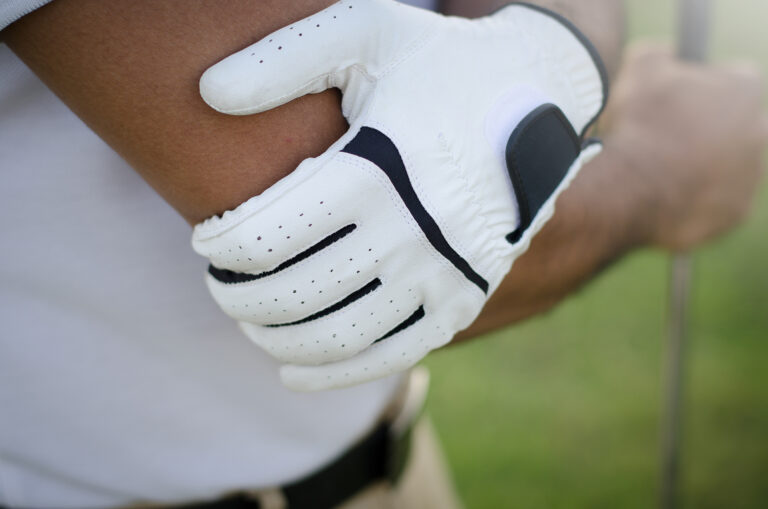
If you’re dealing with a nagging ache on the inside of your elbow, physical therapy for golfer’s elbow is one of the most effective ways to relieve pain and rebuild strength without surgery. Also known as medial epicondylitis, this condition affects the tendons on the inner elbow and can make everyday tasks like gripping, lifting, or shaking hands surprisingly painful. The good news is that with the right treatment plan, most people recover fully and get back to the activities they enjoy.
This article breaks down what golfer’s elbow is, what causes it, and how a physical therapist can help you heal. As always, general information like this isn’t a substitute for a personalized evaluation — if you’re experiencing ongoing elbow pain, it’s worth seeing a physician or physical therapist to confirm what’s going on.
What Is Golfer’s Elbow (Medial Epicondylitis)?
Golfer’s elbow is an overuse injury affecting the tendons that attach to the medial epicondyle, the bony bump on the inside of your elbow. These tendons connect to the muscles that flex your wrist and fingers, and repeated strain causes small tears and inflammation where the tendon meets the bone.
Despite the name, golfer’s elbow isn’t limited to golfers. Anyone who repeatedly bends the wrist or grips forcefully — from weightlifters to carpenters to parents lifting young children — can develop this condition. It’s also known clinically as medial epicondylitis or flexor-pronator tendinopathy.
What Causes Golfer’s Elbow?
Golfer’s elbow develops from repetitive stress on the forearm tendons rather than a single injury. Common contributing activities include:
- Golf swings, where repeated wrist flexion and impact place strain on the inner elbow
- Throwing sports, such as baseball pitching or javelin
- Racquet sports, especially with heavy topspin strokes
- Manual labor or repetitive gripping, like carpentry, plumbing, or typing
- Weightlifting, particularly exercises involving wrist curls or heavy gripping
Age, poor technique, inadequate warm-up, and sudden increases in activity intensity can all raise the risk of developing symptoms.
Common Symptoms of Golfer’s Elbow
Golfer’s elbow usually develops gradually, and symptoms tend to worsen with continued activity. Look out for:
- Pain and tenderness on the inside of the elbow, sometimes radiating into the forearm
- Weakness in the hand or wrist, especially when gripping or making a fist
- Stiffness in the elbow, particularly after periods of rest
- Numbness or tingling that can extend into the ring and little fingers
If these symptoms sound familiar, a physical therapist can perform a hands-on evaluation to confirm the diagnosis and rule out other causes of elbow pain, such as nerve compression or ligament injury.
How Physical Therapy for Golfer’s Elbow Works
Physical therapy for golfer’s elbow starts with a thorough evaluation to understand what’s driving your specific symptoms — not just the elbow itself, but also wrist mechanics, grip strength, and any repetitive movement patterns from work, sport, or daily activity. At Core 3 Physical Therapy, our board-certified specialists build individualized treatment plans, a level of one-on-one, specialized care that fewer than 20% of PTs nationwide are trained to provide.
Treatment for golfer’s elbow typically combines hands-on manual therapy with progressive exercise, guided by our broader focus in orthopedic physical therapy. The goal isn’t just short-term pain relief — it’s addressing the underlying strain pattern so the injury doesn’t return once you’re back to full activity.
Manual Therapy Techniques
Hands-on medial epicondylitis treatment often includes soft tissue mobilization and joint mobilization at the elbow. These techniques help reduce muscle tension, improve blood flow to the healing tendon, and can ease pain and stiffness more effectively than rest alone.
Targeted Stretching and Strengthening Exercises
A structured exercise program is central to golfer’s elbow pain relief and long-term recovery. Your physical therapist will typically guide you through gentle forearm stretches, followed by progressive strengthening — often starting with eccentric loading exercises for the wrist flexors, which have strong support for improving tendon resilience over time. As symptoms improve, grip strengthening and functional exercises are added to prepare you for a full return to your sport or activity.
Preventing Golfer’s Elbow From Coming Back
Once symptoms improve, prevention becomes the focus. A few strategies your physical therapist may recommend:
- Correcting technique in your golf swing, throwing motion, or lifting mechanics to reduce repetitive strain
- Building a gradual return-to-activity plan rather than jumping back in at full intensity
- Continuing strengthening exercises for the forearm and grip even after pain resolves
- Warming up properly before activity and allowing adequate recovery time between sessions
Many patients also benefit from an ergonomic review of their workstation or sport-specific equipment, especially if repetitive strain at work is a contributing factor.
Frequently Asked Questions
Can golfer’s elbow heal without surgery?
Yes. Most cases of golfer’s elbow improve significantly with physical therapy, rest from aggravating activities, and a progressive strengthening program. Surgery is typically only considered for severe cases that don’t respond to several months of conservative treatment.
How long does physical therapy take to relieve golfer’s elbow?
Recovery timelines vary depending on the severity and how long symptoms have been present, but many patients notice meaningful improvement within a few weeks of starting a consistent treatment plan. Your physical therapist can give you a more specific timeline after your initial evaluation.
Is golfer’s elbow the same as tennis elbow?
No — they’re related but distinct conditions. Golfer’s elbow affects the tendons on the inside of the elbow, while tennis elbow affects the tendons on the outside. You can read more about the outer-elbow version in our guide to physical therapy for tennis elbow.
Can I still golf while in treatment?
It depends on your symptoms and how far along you are in treatment. Your physical therapist will help you determine when it’s safe to modify or resume play, often starting with reduced swing intensity before returning to your normal game.
Schedule Golfer’s Elbow Treatment at Core 3 Physical Therapy
You don’t have to keep pushing through elbow pain to stay active. The board-certified specialists at Core 3 Physical Therapy are ready to build a treatment plan that gets you back to the activities you love — reach out through our contact page or call the location nearest you:
- Hatfield: 1691 Bethlehem Pike, Hatfield, PA 19440 — 267-308-5330
- East Norriton: 325 W. Germantown Pike, Ste. 105, East Norriton, PA 19403 — 267-534-7614
- Chalfont: 100 Stewart Lane, Ste. 100, Chalfont, PA 18914 — 215-789-6543
- Limerick: 536 North Lewis Rd, Limerick, PA 19468 — 484-938-5403
- Warrington: 865 Easton Rd, Suite 190, Warrington, PA 18976 — 267-748-2081
