
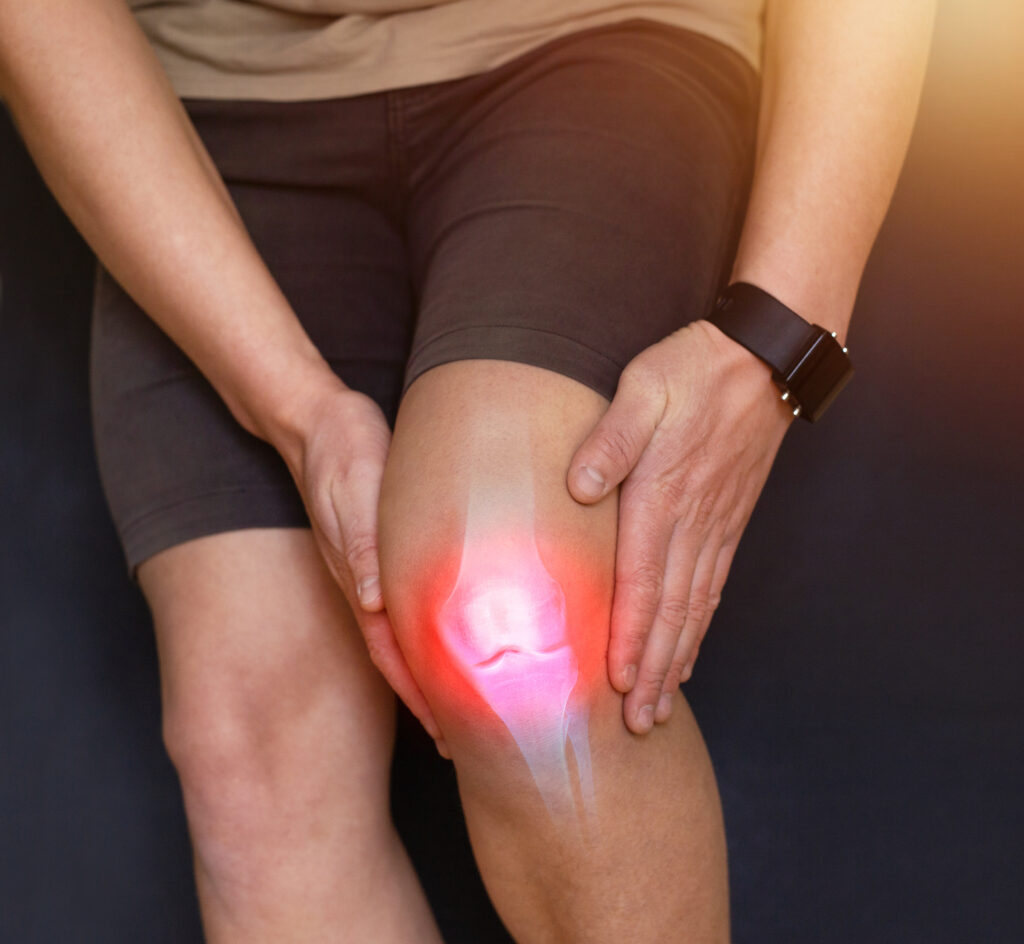
Facing a total knee replacement can feel overwhelming, but preparing your body ahead of time makes a big difference. Many patients come to us asking: “What can I do now to improve my surgery outcome later?” The good news is, focusing on exercises prior to total knee replacement is one of the best steps you can take.
In this article, we’ll walk through common questions and practical advice on how physical therapy and targeted movement can help you before surgery. Whether you’re managing knee pain now or getting ready for your procedure, we’ve got you covered.
Should You Exercise While Waiting For A Knee Replacement?
Absolutely! Many people are hesitant, thinking they might make the knee worse—but staying active (in a safe and guided way) is one of the most important things you can do.
When you move regularly, you help maintain strength in the muscles surrounding your knee, like the quadriceps and hamstrings. These muscles are essential for supporting your joint both before and after surgery. Plus, gentle exercise helps reduce stiffness, keeps your circulation flowing, and can even help improve your mental outlook as you prepare for your knee replacement.
That being said, not every movement is ideal. The key is sticking with low-impact exercises and working with a physical therapist who can tailor a plan to your specific condition.
Ready for some examples? Let’s dive into specific exercises prior to total knee replacement next.
Exercises Prior to Total Knee Replacement
When we talk about exercises prior to total knee replacement, we’re really talking about setting you up for a smoother recovery. Think of these exercises as pre-hab (pre-surgery rehab) that strengthens and conditions your knee and the surrounding muscles.
Here are some of the most recommended exercises:
1. Quad Sets
Quad sets help wake up your quadriceps. While sitting or lying down with your leg straight, tighten the muscles on the front of your thigh and hold for 5-10 seconds. Repeat 10-15 times.
2. Straight Leg Raises
Lie on your back with one leg bent and the other straight. Lift the straight leg a few inches off the ground, hold briefly, then lower it. This helps strengthen both the quadriceps and hip muscles.
3. Heel Slides
Lie on your back and gently slide your heel toward your buttocks, bending the knee as much as comfortably possible, then slide it back out. Heel slides improve flexibility and range of motion.
4. Seated Knee Extensions
While seated, straighten your leg fully and hold it straight for a few seconds before slowly lowering it. This improves strength and stability.
Remember, these exercises prior to total knee replacement should be performed with care. Don’t push through sharp pain. A physical therapist can help you adjust based on your comfort and needs.
Is Riding a Stationary Bike Good Before Knee Replacement?
Definitely—and here’s why. Riding a stationary bike is often recommended as part of pre total knee replacement physical therapy because it checks several important boxes: it’s low-impact, it strengthens key muscle groups, and it improves joint mobility.
Pedaling helps engage your quadriceps, hamstrings, glutes, and even your calves. Strengthening these muscles prior to surgery can make a real difference in your post-surgery recovery. A stronger leg will support your new knee better and help you regain mobility faster.
Additionally, the cycling motion helps keep the knee joint lubricated and promotes blood flow, which can ease stiffness and reduce swelling. For many patients, it’s also a safer cardio option compared to walking longer distances on hard surfaces.
Pro tip:
- Start with little to no resistance and short durations, such as 5-10 minutes.
- Keep your pedal strokes smooth and stop if you feel sharp pain.
- As you get more comfortable, you can gradually increase the time or resistance under the guidance of your physical therapist.
Incorporating a stationary bike into your exercises prior to total knee replacement can help you stay active while protecting your knee, which is exactly the balance you want before surgery.
What Helps Knee Pain Before Knee Replacement?
Managing knee pain before surgery can be challenging, but there are several effective strategies to help ease discomfort and keep you as mobile as possible.
1. Targeted Exercises
Consistent movement is key. The exercises prior to total knee replacement that we mentioned earlier—like quad sets, heel slides, and stationary biking—can reduce stiffness and build strength, which in turn helps minimize pain. Strengthening the muscles around the knee helps support the joint and absorb more of the impact.
2. Manual Therapy
Working with a physical therapist who provides hands-on techniques such as soft tissue massage or gentle joint mobilizations can reduce tension and improve range of motion. This can bring relief to areas that feel tight or inflamed.
3. Ice and Heat Therapy
Applying ice packs after activity helps reduce swelling, while heat therapy before exercise can loosen up stiff muscles and joints, making movement easier and less painful.
4. Assistive Devices
Using walking aids, like a cane or walker, can reduce the load on your knee. A therapist can assess your gait and recommend the best option for you to stay active and safe.
5. Education
Sometimes the biggest relief comes from understanding your condition and learning what movements or activities to avoid. A physical therapist can teach you joint protection techniques to help you stay active without aggravating your knee.
Combining these techniques with pre total knee replacement physical therapy can make your journey to surgery smoother and more comfortable.
Pre-Total Knee Replacement Surgery Therapy in Limerick and More
At Core 3 Physical Therapy, we believe that pre total knee replacement physical therapy can make a world of difference. Our experienced team works with you to create a personalized plan that builds strength, eases pain, and helps prepare you mentally and physically for surgery.
We proudly serve patients at our welcoming clinics in Limerick, Chalfont, East Norriton, and Hatfield. Whether you need guidance on safe exercises, manual therapy, or pre-surgical education, we’re here to support you every step of the way.
Preparing well now means a smoother recovery later—and we’re here to help make that happen. Contact us today to schedule your visit.