
When people think about pelvic floor therapy, it’s often associated with women—especially after childbirth. However, men have pelvic floor muscles too, and their health is just as important. Unfortunately, many men overlook this vital aspect of their well-being until they experience issues like incontinence, erectile dysfunction, or chronic pelvic pain.
This article will explore what male pelvic floor muscles are, what to expect from male pelvic floor therapy, and how to strengthen male pelvic floor muscles with targeted exercises.
What Are Pelvic Floor Muscles in Men?
The pelvic floor muscles are a group of tissues that form a supportive sling at the bottom of the pelvis. These muscles play a crucial role in bladder control, bowel function, and sexual health. They support vital organs, including the bladder and rectum, while contributing to sexual satisfaction by aiding in erectile and ejaculatory functions.
Weak pelvic floor muscles in men can lead to challenges such as urinary leakage, fecal incontinence, or even erectile dysfunction. Causes of weakness may include aging, surgery (like prostate removal), or chronic conditions such as obesity. Strengthening these muscles can significantly enhance quality of life and address such concerns.
Male Pelvic Floor Therapy: What to Expect
Male pelvic floor therapy is a targeted approach to restoring strength and functionality to the pelvic floor muscles. If you’re considering male pelvic floor therapy, here’s what you can expect:
- Initial Assessment: A physical therapist will evaluate your symptoms, medical history, and lifestyle factors contributing to your condition. This assessment helps in tailoring a personalized therapy plan.
- Muscle Education: Learning to locate and activate the correct muscles is crucial. Your therapist will guide you in identifying the pelvic floor muscles, often through visual aids or gentle techniques.
- Tailored Exercises: Your therapy may include exercises designed to strengthen the pelvic floor and improve coordination with other muscles.
- Manual Techniques: If necessary, therapists may use hands-on techniques to release tension or improve mobility in the pelvic region.
- Guidance on Lifestyle Changes: Your therapist might suggest adjustments to posture, diet, and daily habits to support your progress.
Remember, male pelvic floor therapy is a safe, non-invasive option that provides long-term benefits for managing and preventing pelvic floor dysfunction.
How to Strengthen Male Pelvic Floor Muscles
Strengthening male pelvic floor muscles involves consistent practice of specific exercises. Here’s a step-by-step guide:
- Locate the Pelvic Floor Muscles: The easiest way to identify these muscles is to try stopping the flow of urine mid-stream. The muscles you engage during this action are your pelvic floor muscles. However, this technique is for identification purposes only and should not be practiced frequently.
- Start with Basic Kegels: Contract the pelvic floor muscles, hold for 5 seconds, and then relax for 5 seconds. Repeat this process 10-15 times, aiming for three sets daily. As you progress, increase the hold time gradually.
- Incorporate Breathing: Practice diaphragmatic breathing while performing pelvic floor exercises. Inhale deeply, allowing your belly to rise, and exhale slowly as you engage the pelvic floor.
- Add Functional Movements: Strengthen the pelvic floor during activities like squats or while lifting light weights. Engage the muscles before and during the movement to build endurance.
- Stay Consistent: Daily practice is key. Set reminders to perform exercises and incorporate them into your routine.
How to Do Pelvic Floor Exercises for Men
Understanding how to do pelvic floor exercises for men correctly ensures maximum benefits. Follow these detailed instructions:
Basic Pelvic Floor Contractions:
- Sit or lie down in a comfortable position.
- Contract your pelvic floor muscles, hold for a few seconds, and then relax.
- Repeat 10-15 times, gradually increasing the duration of the hold.
Quick Flicks:
- Perform rapid contractions of the pelvic floor muscles.
- Hold for 1 second, then release.
- Aim for 20-30 repetitions.
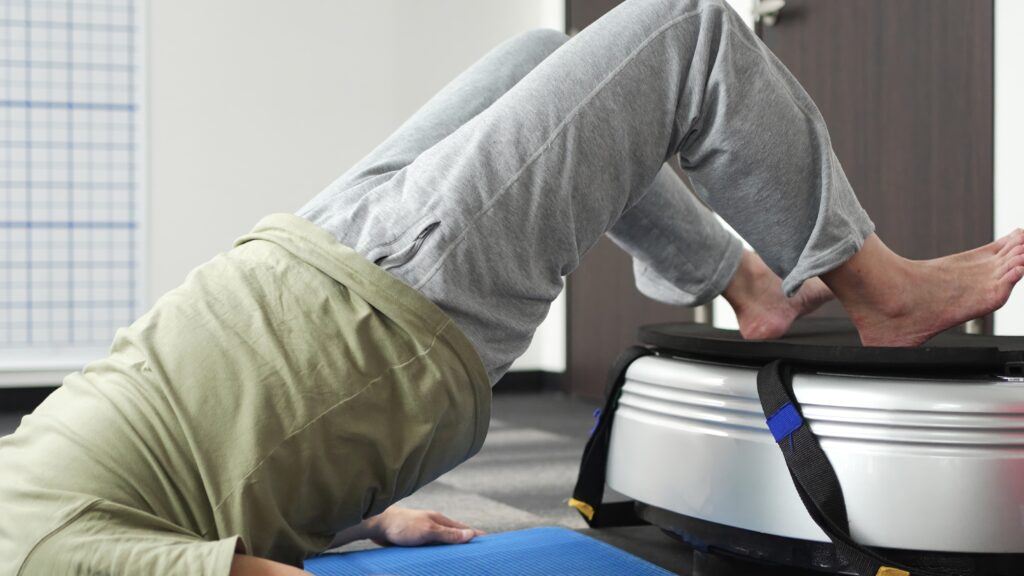
Bridge Pose:
- Lie on your back with knees bent and feet flat on the ground.
- Lift your hips while engaging the pelvic floor muscles.
- Hold for 5-10 seconds, then lower.
- Perform 10-15 repetitions.
Deep Breathing with Engagement:
- Practice slow, deep breaths while contracting your pelvic floor on the exhale.
- Focus on controlled, deliberate movements.
Integration into Daily Life:
- Practice engaging your pelvic floor during everyday activities, like walking, lifting, or standing.
Strengthening male pelvic floor muscles can transform your physical health, addressing issues like incontinence, chronic pain, and sexual performance challenges. With a little effort and the right guidance, you can make a lasting difference in your quality of life.
At Core 3 Physical Therapy, we specialize in pelvic floor therapy, offering personalized assessments and targeted treatment plans to help you regain control and confidence. Ready to take the next step? Contact us today to learn how we can support your journey to better pelvic health!
