
How Long Is Rehab After Knee Replacement Surgery? A Complete Recovery Timeline
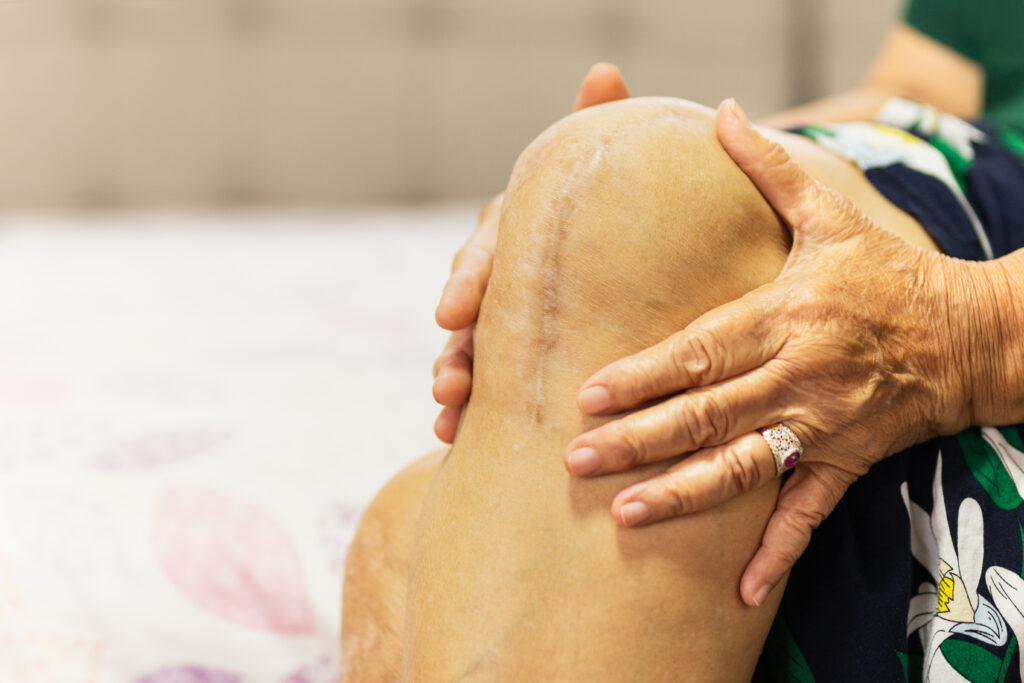
If you’re preparing for or recovering from knee replacement surgery, it’s natural to wonder how long is rehab after knee replacement surgery and what the recovery process will look like. Knee replacement can dramatically improve mobility and reduce chronic joint pain, but the surgery is only the first step. Rehabilitation plays a critical role in helping your knee regain strength, flexibility, and stability so you can safely return to everyday activities.
Many patients are surprised to learn that recovery involves a structured process that unfolds over several weeks or months. With the right plan and guidance from a physical therapist, most people make steady progress as their knee heals and their strength improves. Physical therapy after knee replacement helps restore movement, reduce swelling, and rebuild the muscles that support the joint.
Understanding how long is rehab after knee replacement surgery can help set realistic expectations and motivate you to stay consistent with your recovery program. While each patient’s timeline is slightly different, most rehabilitation plans follow a similar progression designed to help you regain confidence in your knee step by step.
Why Rehabilitation Is Important After Knee Replacement Surgery
Rehabilitation is a key part of the recovery process after knee replacement surgery. While the procedure replaces the damaged joint and relieves pain, the surrounding muscles, ligaments, and tissues still need time and guidance to regain their strength in the knee, plus flexibility too. This is why many patients ask how long is rehab after knee replacement surgery, since proper rehabilitation plays a major role in how well and how quickly the knee recovers.
A structured rehabilitation program helps patients safely rebuild mobility, improve joint stability, and reduce stiffness after surgery. Physical therapy after knee replacement focuses on restoring range of motion, strengthening the muscles that support the knee, and helping patients gradually return to daily activities. With consistent care and professional guidance, many individuals are able to improve their comfort, movement, and confidence throughout the recovery process.
Typical Rehab Timeline After Knee Replacement Surgery
Understanding the typical recovery timeline can help answer one of the most common questions patients have: how long is rehab after knee replacement surgery. While every recovery is unique, most patients follow a similar progression as their strength, mobility, and confidence gradually improve. A structured rehabilitation plan and consistent physical therapy after knee replacement play a key role in helping patients safely regain movement and return to everyday activities.
Weeks 1–3: Early Recovery Phase
The first few weeks after surgery focus on protecting the new joint while gently restoring movement. During this stage, reducing pain and swelling is a priority while patients begin basic exercises to improve flexibility and circulation.
Common elements of early recovery include:
- Pain and swelling management through rest, elevation, and ice when recommended
- Gentle range-of-motion exercises to help the knee bend and straighten gradually
- Walking with assistance, often using a walker or crutches for stability
- Early physical therapy sessions to guide safe movement and monitor progress
During this phase, physical therapy after knee replacement helps patients begin moving the knee safely while preventing stiffness. Even small improvements in mobility during these early weeks can make a significant difference in long-term recovery.
Weeks 4–6: Building Strength and Mobility
By the fourth week, many patients begin to feel more comfortable putting weight on their knee and increasing their activity levels. Rehabilitation now focuses more on strengthening the muscles that support the knee and improving balance and coordination.
Patients may begin working on:
- Increased exercise intensity as strength gradually improves
- Balance and strength exercises that target the quadriceps, hamstrings, and surrounding muscles
- Gradual improvement in walking and daily tasks, such as climbing stairs or standing for longer periods
Consistent therapy during this stage helps build the foundation needed for long-term knee stability. Patients who stay engaged with their recovery plan often notice steady improvements in their ability to move more comfortably.
Weeks 7–12: Advanced Rehabilitation
As recovery progresses, exercises typically become more challenging and focus on restoring functional movement. Patients often begin returning to more normal daily activities while continuing to strengthen the knee and surrounding muscles.
Advanced rehabilitation may include:
- Strength training to rebuild muscle support around the joint
- Improved mobility with increased range of motion and flexibility
- Returning to many normal activities, such as walking longer distances or performing light recreational activities
This stage is often when patients start to feel significant improvements in their overall movement. However, continuing therapy and exercises is still essential for maintaining progress.
3–6 Months: Full Recovery Progress
For many patients, the majority of recovery occurs within the first few months after surgery. By this point, the knee is typically stronger and more stable, allowing patients to return to many of their normal routines.
During this phase, patients often experience:
- Most patients regain normal function and can comfortably perform everyday activities
- Continued strengthening and flexibility work to maintain mobility and protect the joint
Even as recovery improves, many people still ask how long is rehab after knee replacement surgery because progress can vary based on factors like age, overall health, and commitment to rehabilitation. Continuing exercises and following professional guidance remain important for long-term success.
How Long is Rehab After Knee Replacement Surgery?
One of the most common questions patients ask during recovery is how long is rehab after knee replacement surgery and how long they should expect to participate in therapy. While the exact timeline varies from person to person, most patients follow a structured rehabilitation plan designed to gradually restore strength, flexibility, and mobility. Physical therapy after knee replacement plays a central role in helping patients recover safely and regain confidence in their new joint.
Typical Duration of Physical Therapy
Most patients participate in 6–12 weeks of structured physical therapy after knee replacement surgery. During this time, therapy sessions focus on improving range of motion, strengthening the muscles that support the knee, and helping patients move more comfortably during everyday activities.
Early therapy often begins shortly after surgery, sometimes even while the patient is still in the hospital. As recovery continues, therapy sessions may take place several times per week and gradually transition to a combination of in-clinic visits and guided home exercises. This structured approach helps patients steadily rebuild strength and mobility while reducing stiffness and discomfort.
When Rehab May Take Longer
Although many patients complete the main phase of therapy within a few months, some individuals may need a longer recovery period. Factors such as age, overall health, physical condition before knee surgery, and the complexity of the procedure can all influence how long rehab after knee replacement surgery may take.
For example, patients who had limited mobility before surgery or who experience more swelling and stiffness during recovery may benefit from additional therapy sessions. In these cases, continuing physical therapy after knee replacement can help improve strength, restore movement, and support long-term joint health.
Why Consistency Matters
Consistency is one of the most important factors in a successful recovery. Attending therapy sessions regularly and performing recommended exercises at home helps the knee regain strength and flexibility over time.
Patients who stay committed to their rehabilitation plan often experience better outcomes, including improved mobility, reduced pain, and a smoother return to normal activities. Even though patients may still wonder how long is rehab after knee replacement surgery, staying consistent with therapy and home exercises helps ensure steady progress and a stronger recovery overall.
Tips for a Successful Knee Replacement Recovery
Recovering from knee replacement surgery takes time, patience, and consistency. While many patients ask how long is rehab after knee replacement surgery, the quality of your rehabilitation efforts can play a big role in how smoothly your recovery progresses. Following healthy habits and staying committed to your recovery plan can help you regain strength, mobility, and confidence in your knee.
Follow Your Physical Therapist’s Plan
One of the most important steps in recovery is following the guidance of your physical therapist. Your therapy program is designed specifically for your stage of healing and your individual needs. By following your therapist’s recommendations closely, you can safely progress through exercises that help strengthen the knee and improve mobility.
Patients who stay consistent with physical therapy after knee replacement often experience better outcomes and a smoother recovery process.
Stay Active Without Overdoing It
Movement is essential for recovery, but it’s important to find the right balance. Gentle activities and exercises help improve circulation, prevent stiffness, and strengthen the muscles that support your new knee joint.
At the same time, overexertion can lead to increased swelling or discomfort. Gradually increasing your activity level under the guidance of your therapist allows your body to heal while continuing to build strength.
Manage Swelling and Pain
Swelling and mild discomfort are normal parts of the healing process. Proper pain management can make rehabilitation more comfortable and help you stay consistent with your exercises.
Simple strategies such as rest, elevation, and applying ice when recommended can help reduce swelling. Managing these symptoms effectively allows patients to stay focused on their recovery and progress through their rehabilitation program.
Keep Up With Home Exercises
Your therapy sessions are only one part of the recovery process. Performing your home exercise program regularly is just as important for improving strength and mobility.
These exercises are designed to support the progress made during therapy visits and help your knee continue to improve between sessions. Over time, consistent effort with home exercises can make a noticeable difference in how quickly and comfortably you regain movement.
Attend All Therapy Sessions
Regular therapy appointments help ensure your recovery stays on track. Your therapist can monitor your progress, adjust exercises as needed, and guide you through movements that may be difficult to perform on your own.
Many patients asking how long is rehab after knee replacement surgery find that attending therapy consistently helps them achieve better results. With professional guidance and a personalized plan, physical therapy after knee replacement can help support a safe and effective recovery.
Get Expert Physical Therapy in Warrington
Recovering from knee replacement surgery is a journey, and having the right support can make a meaningful difference in your results. If you’re wondering how long is rehab after knee replacement surgery, working with experienced professionals can help ensure your recovery stays on the right path.
At Core 3 Physical Therapy, patients receive personalized treatment plans designed to improve mobility, restore strength, and support a safe return to daily activities. Our experienced team understands the challenges of recovery and provides compassionate care to guide you through every stage of rehabilitation. Whether you are beginning physical therapy after knee replacement or continuing your recovery, our team is here to help you move forward with confidence.
If you are looking for trusted physical therapy in Warrington, our clinic is ready to support your recovery and help you achieve your mobility goals.
CORE 3 Warrington
865 Easton Road, Suite 190
Warrington, PA 18976
Contact Core 3 Physical Therapy today to schedule your appointment and take the next step toward a stronger, healthier recovery.

Hatfield
1691 Bethlehem Pike
Hatfield, PA 19440
Phone: 267-308-5330
Fax: 267-308-5331
Chalfont
100 Stewart Ln,
Chalfont, PA 18914
Phone: 215-789-6543
Fax: 215-789-6544
East Norriton
325 West Germantown Pike, Suite 105
East Norriton, PA, 19403
Phone: 267-534-7614
Fax: 267-534-7615
Limerick
536 North Lewis Rd
Limerick, PA, 19468
Phone: 484-938-5403
Fax: 484-938-5164
Warrington
865 Easton Rd, Suite 190
Warrington, PA 18976
Phone: 267-748-2081
Fax: 267-748-2082