
Postpartum Pelvic Floor Therapy Program: Supporting Safe Recovery After Childbirth
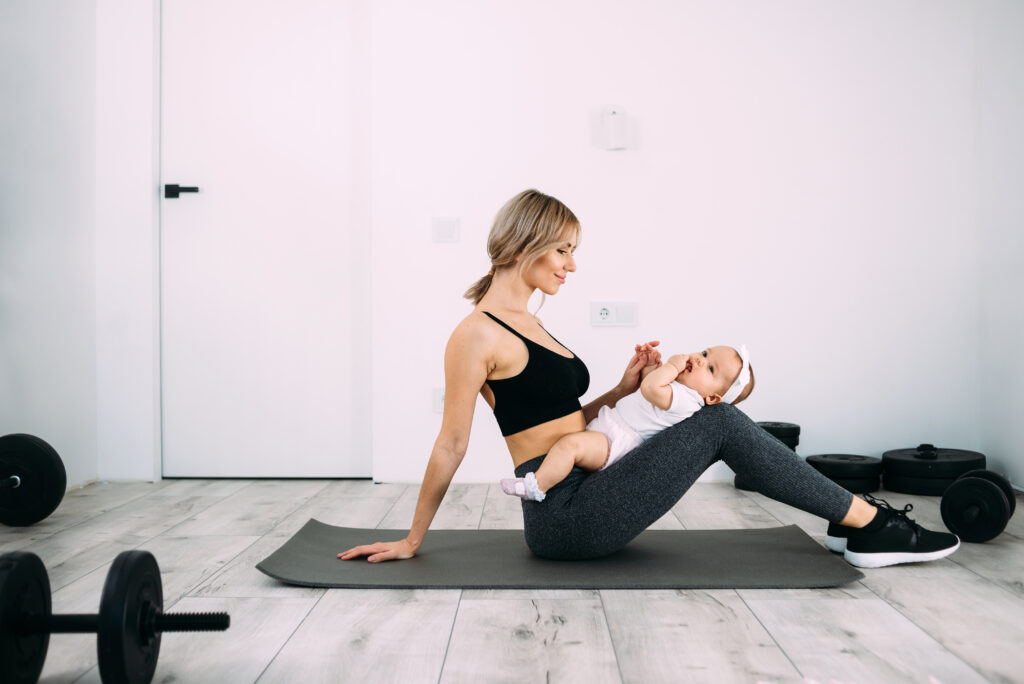
Bringing a baby into the world is one of life’s most incredible experiences — but it also places significant physical demands on your body. Many new moms find that recovery after childbirth isn’t always as simple as “rest and time.” The muscles that support your bladder, uterus, and core system go through a lot during pregnancy and delivery, and without proper care, lingering discomfort or dysfunction can stick around far longer than you’d hoped. That’s where a postpartum pelvic floor therapy program can make all the difference.
At CORE 3 Physical Therapy, we understand that every woman’s journey through pregnancy and postpartum recovery is unique. A postpartum pelvic floor therapy program helps your body rebuild strength, restore confidence, and support your overall well-being in a way that’s safe, personalized, and guided by experienced physical therapists. Whether you’re just a few weeks postpartum or months into recovery, compassionate support can help you feel more like yourself again.
Why a Professional Postpartum Pelvic Floor Therapy Program Is Essential After Childbirth
After childbirth, your body begins an important healing process, but many women are surprised by how much recovery involves more than just rest. Pregnancy and delivery place significant pressure on the pelvic floor muscles, which support your bladder, core, and overall stability. Even with an uncomplicated birth, these muscles can become weakened, overstretched, or uncoordinated, leading to symptoms that may not go away on their own. This is why a postpartum pelvic floor therapy program can be such a valuable part of recovery.
A professional postpartum pelvic floor therapy program provides expert guidance during a time when your body needs safe, personalized care. Rather than guessing what exercises to do or waiting for symptoms to improve, working with a trained pelvic floor physical therapist helps ensure that healing happens correctly. With the right support, women can rebuild strength, reduce discomfort, and return to daily life feeling more confident and supported.
The Benefits of Pelvic Floor Therapy for Postpartum Recovery
Every woman’s postpartum journey looks different. Some experience mild weakness, while others notice more persistent symptoms that affect daily life. The good news is that pelvic floor therapy for postpartum recovery is designed to address both prevention and treatment. Through a structured postpartum pelvic floor therapy program, women receive individualized care that targets their specific needs and goals.
Here are some of the most important benefits:
Improves Bladder Control
Pelvic floor therapy helps reduce or eliminate urinary leakage, a common condition after childbirth known as postpartum urinary incontinence. Many women assume this is something they simply have to live with after having a baby. In reality, strengthening and retraining the pelvic floor muscles can significantly improve bladder control and restore confidence.
Supports Core Strength and Stability
Rehabilitating the deep core muscles improves posture, stability, and recovery from diastasis recti (abdominal separation). The pelvic floor works closely with the abdominal muscles, diaphragm, and lower back. When these muscles are properly coordinated, your body feels stronger and more supported during everyday movements like lifting your baby or returning to exercise.
Reduces Pelvic Pain and Pressure
Therapy can address pelvic pain, perineal discomfort, and symptoms related to mild pelvic organ prolapse. Feelings of heaviness, pressure, or pain in the pelvic area are not uncommon after childbirth — but they are not something you have to ignore. Guided rehabilitation helps reduce irritation and restore proper muscle function.
Enhances Healing After C-Section or Tearing
Scar tissue mobility work and guided strengthening improve healing and reduce long-term discomfort. Whether you experienced a vaginal tear or delivered via C-section, tissue healing can impact how your muscles function. A structured postpartum pelvic floor therapy program helps ensure that recovery progresses safely and efficiently.
Restores Confidence in Daily Activities and Exercise
With proper rehabilitation, women feel stronger and more confident returning to lifting, running, or simply caring for their baby without fear of leakage or pain. One of the most powerful outcomes of pelvic floor therapy for postpartum recovery is the renewed sense of control and comfort in your body.
Can You Start a Pelvic Floor Therapy Program Before Childbirth?
Yes.
In fact, beginning pelvic floor therapy during pregnancy can be a proactive and beneficial step. According to the American College of Obstetricians and Gynecologists (ACOG), pelvic floor muscle training during pregnancy is safe for most women and may help reduce urinary incontinence both during and after pregnancy. Learning how to properly activate and relax the pelvic floor before delivery can also improve body awareness and support more effective pushing strategies during labor.
Starting early does not replace postpartum care, but it can make recovery smoother. When women enter the postpartum phase already familiar with proper breathing mechanics and muscle coordination, transitioning into a postpartum pelvic floor therapy program often feels more natural and efficient. Under professional guidance, prenatal pelvic floor therapy can help prepare your body for delivery and set a strong foundation for healing afterward.
When Should You Start a Postpartum Pelvic Floor Therapy Program?
The right time to begin a postpartum pelvic floor therapy program can vary depending on your delivery, symptoms, and overall recovery. Every woman’s body heals at its own pace, which is why personalized guidance is so important. Here are three common timeframes to consider:
Within 2–3 Weeks Postpartum (Gentle Early Support)
Some women benefit from very early intervention, especially if they are experiencing discomfort, difficulty with bladder control, or significant core weakness. In these early weeks, therapy focuses on gentle breathing techniques, light muscle activation, and education to support safe healing. This stage is not about intense exercise — it’s about reconnecting with your body in a controlled and guided way.
Around 6 Weeks Postpartum (After Medical Clearance)
For many women, the six-week postpartum checkup is the most common starting point. Once cleared by their OB provider, beginning a structured postpartum pelvic floor therapy program can help address lingering symptoms and rebuild strength safely. This is often when women start thinking about returning to exercise, work, or more demanding daily activities.
Months or Even Years Later
It’s never too late to seek help. Some women do not notice symptoms until months after childbirth, while others may have been managing issues like leakage or pelvic pressure for years. Pelvic floor therapy for postpartum recovery can still be highly effective long after delivery. The body is capable of change and improvement at any stage with the right professional guidance.
3 Foundational Exercises Used in Postpartum Pelvic Floor Therapy
Every postpartum pelvic floor therapy program at CORE 3 begins with a thorough evaluation. That’s because not all pelvic floor muscles are simply “weak.” Some may be tight, overactive, or poorly coordinated. The right treatment depends on understanding exactly what your body needs.
While your plan will always be personalized, here are three foundational movements commonly used in pelvic floor therapy for postpartum recovery:
Diaphragmatic Breathing
This may sound simple, but breathing is powerful. The diaphragm and pelvic floor work together as part of your core system. Learning how to breathe deeply and properly helps restore coordination, reduce pressure on healing tissues, and gently activate the pelvic floor without strain. Many women are surprised at how much improvement starts with correct breathing mechanics.
Gentle Pelvic Floor Activation
Often referred to as Kegels, pelvic floor contractions must be done correctly to be effective. During therapy, we assess whether the muscles need strengthening, relaxation, or coordination work. Proper activation improves bladder control and supports the organs of the pelvis — but doing them incorrectly can actually worsen symptoms. That’s why guided instruction is so important.
Transverse Abdominis Engagement
The transverse abdominis is your deepest abdominal muscle and a key stabilizer of the core. Rebuilding this muscle helps support recovery from diastasis recti and improves overall stability. When paired with pelvic floor activation and breathing techniques, it forms the foundation of a comprehensive postpartum pelvic floor therapy program.
It’s important to remember that this is not a DIY recovery plan. Online exercises cannot replace a professional evaluation. At CORE 3, our licensed physical therapists assess your strength, coordination, tissue healing, and movement patterns to design a program that is safe and specific to you.
Begin Your Recovery with Expert Physical Therapy in Limerick
If you’re searching for compassionate, expert-led care, our team provides trusted physical therapy in Limerick designed specifically for women in every stage of recovery. At CORE 3, we take the time to listen, evaluate thoroughly, and create a personalized postpartum pelvic floor therapy program that supports your body safely and effectively.
Our approach to pelvic floor therapy for postpartum recovery focuses on education, hands-on treatment when appropriate, and progressive strengthening that aligns with your goals — whether that’s returning to exercise, managing symptoms, or simply feeling confident in daily life again. We understand how vulnerable this stage can feel, and our goal is to create a supportive environment where you feel heard and empowered.
You can visit us at:
CORE 3 Limerick
536 N Lewis Rd Limerick, PA 19468
Our licensed physical therapists are experienced in women’s health rehabilitation and are here to guide you through every step of your recovery journey.
Whether you are looking for pelvic floor therapy for postpartum recovery soon after delivery or support months later, our experienced therapists are ready to meet you where you are.
Ready to Start Your Postpartum Pelvic Floor Therapy Program?
Your body has done something incredible — and you deserve the right support as you heal. Whether you’re dealing with bladder leakage, pelvic discomfort, core weakness, or simply want guidance during recovery, a professional postpartum pelvic floor therapy program can help you feel stronger, more comfortable, and confident again.
At CORE 3 Physical Therapy, we provide compassionate, expert-led pelvic floor therapy for postpartum recovery that is personalized to your needs and goals. You don’t have to wait until symptoms worsen, and you don’t have to navigate postpartum healing alone. With the right care team, recovery can feel empowering and achievable.
If you’re ready to take the next step, our specialists are here to help you begin your postpartum pelvic floor therapy program with trusted care and guidance.
Schedule an evaluation today at CORE 3 and start your recovery journey with confidence.

Hatfield
1691 Bethlehem Pike
Hatfield, PA 19440
Phone: 267-308-5330
Fax: 267-308-5331
Chalfont
100 Stewart Ln,
Chalfont, PA 18914
Phone: 215-789-6543
Fax: 215-789-6544
East Norriton
325 West Germantown Pike, Suite 105
East Norriton, PA, 19403
Phone: 267-534-7614
Fax: 267-534-7615
Limerick
536 North Lewis Rd
Limerick, PA, 19468
Phone: 484-938-5403
Fax: 484-938-5164
Warrington
865 Easton Rd, Suite 190
Warrington, PA 18976
Phone: 267-748-2081
Fax: 267-748-2082