
Pelvic Pain Therapy Near Horsham | Core 3 Physical Therapy Specialists
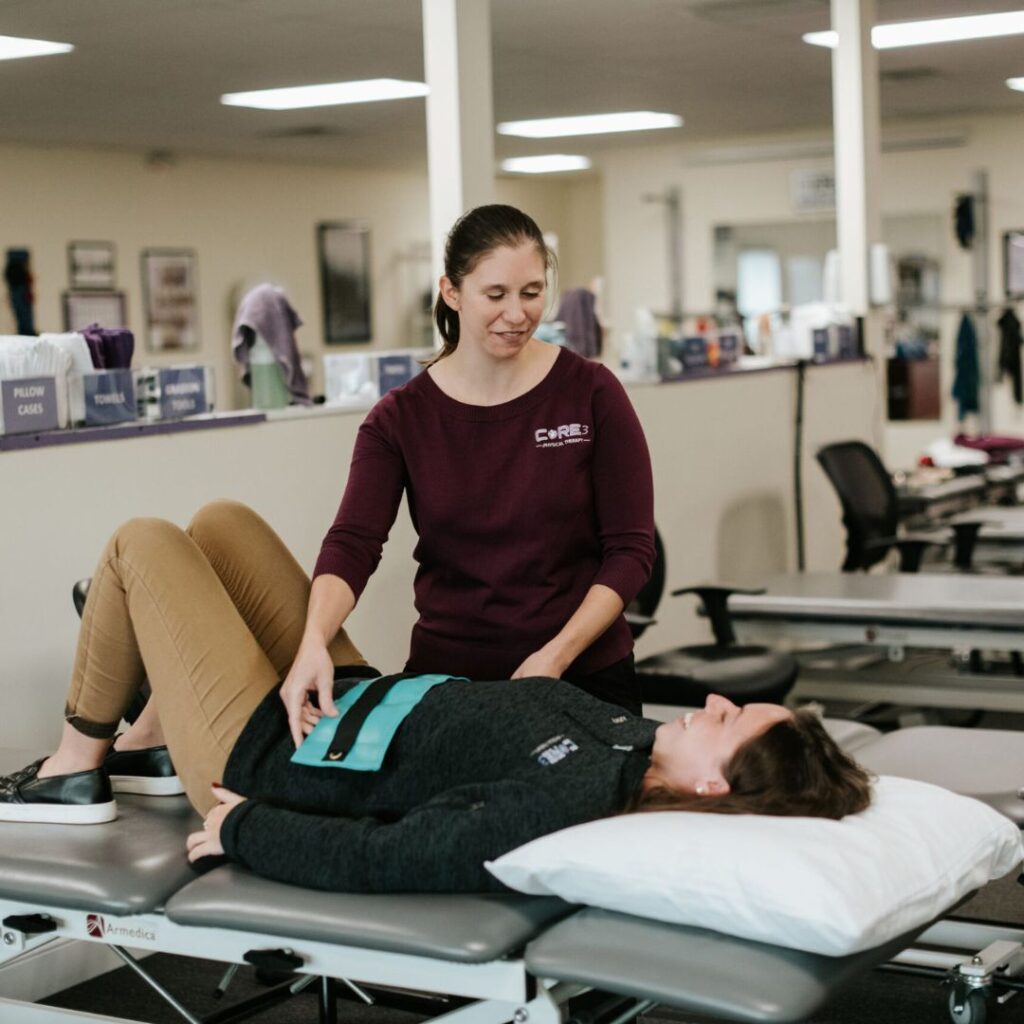
Living with pelvic pain can feel confusing, frustrating, and even isolating — especially when it begins to affect your daily activities, exercise routine, or intimate relationships. At Core 3 Physical Therapy, we understand how deeply pelvic discomfort can impact your life, and we’re here to help you find answers, clarity, and relief. If you’ve been searching for pelvic pain therapy near Horsham, you’re already taking an important first step toward feeling better.
Pelvic pain is more common than many people realize, but that doesn’t mean you should ignore it or assume it will go away on its own. Whether your symptoms started gradually, appeared after childbirth, developed following prostate surgery, or came on without a clear cause, the right evaluation and treatment plan can make a life-changing difference. Our skilled therapists take the time to listen to your concerns, understand your history, and create a plan that supports healing at your pace.
Is Pelvic Pain Normal? What Your Symptoms May Be Telling You
Pelvic pain is something many people quietly live with, but it’s important to understand that ongoing or recurring discomfort is not something you need to accept as “normal.” Your pelvis supports your core, bladder, bowel, reproductive organs, and major muscles — so when something isn’t functioning well, it often shows up as pain, pressure, or tension in this area. These symptoms are your body’s way of communicating that something needs attention.
Some people experience pelvic pain gradually, while others feel sudden sharp or burning sensations that interrupt daily routines. No matter how your symptoms began, they deserve to be taken seriously. If you’ve been searching for answers or exploring pelvic pain therapy near Horsham, understanding the signs of pelvic dysfunction can help you know when it’s time to seek care.
Symptoms You Shouldn’t Ignore
These are signs that pelvic pain is not normal and may indicate pelvic floor dysfunction or another underlying issue:
- Pain that lasts more than a few days or keeps returning
- Sharp, burning, or pulling pain in the lower abdomen or pelvis
- Pain during sitting, standing, or certain movements
- Pain with bladder or bowel movements
- Pain during or after intimacy
- Pressure or heaviness in the pelvic area
- Tension or spasms in the pelvic floor muscles
- Pain after childbirth or during postpartum recovery
Every person’s experience is unique. Even if your symptoms don’t appear on this list, it’s still important to talk with a specialist who understands pelvic health. Early evaluation can prevent symptoms from getting worse and make your recovery smoother.
What Causes Pelvic Pain and When to Seek Therapy
Pelvic pain can develop for many different reasons, and it often takes a specialist to pinpoint the exact cause. The pelvis is supported by a complex network of muscles, nerves, and connective tissues, all of which work together to help you move comfortably, support your core, and manage bladder and bowel function. When even one part of this system isn’t working properly, discomfort can follow.
If you’ve been looking for pelvic pain therapy near Horsham, understanding the most common causes can help you recognize when it’s time to seek care. Some people notice pain only during certain activities, while others feel a constant ache, heaviness, or sharp tension that comes and goes. Regardless of how it shows up, pelvic pain is often treatable — especially when addressed early.
Here are some of the most common contributors to pelvic discomfort:
Muscular Tension & Pelvic Floor Dysfunction
One of the most frequent causes of pelvic pain is pelvic floor dysfunction. This occurs when the pelvic floor muscles become too tight, weak, or uncoordinated. Tightness can lead to sharp, burning, or pulling pain, while weakness can create pressure, heaviness, or difficulty controlling bladder and bowel movements. This is where targeted pelvic floor therapy makes a meaningful difference by restoring balance, strength, and mobility.
Pregnancy, Postpartum, and Hormonal Changes
Pregnancy and childbirth place significant strain on the pelvis. The added weight, postural changes, and hormonal shifts can lead to muscle tension, scar tissue sensitivity, and joint instability. Postpartum individuals may notice new or lingering pain months or even years after giving birth. Therapy can help the body recover, rebuild support, and reduce discomfort.
Post-Surgical Pain (Including Post-Prostatectomy)
Surgery in the abdominal or pelvic region — especially prostate surgery — can affect nerves, muscles, and connective tissue. Many men experience pelvic tension, pain, or urinary changes after prostatectomy. Specialized therapy helps restore strength, improve control, and reduce discomfort during recovery.
Who Can Benefit From Pelvic Pain Therapy
Pelvic pain can affect anyone — regardless of age, gender, or life stage. While the causes may differ from person to person, the impact is often similar: discomfort that disrupts daily routines, exercise, intimacy, or overall confidence. The good news is that pelvic pain therapy is highly personalized, and the right treatment plan can help you feel more comfortable, stronger, and more in control of your body.
At Core 3 Physical Therapy, we see a wide range of patients looking for pelvic pain therapy near Horsham, and each person brings a unique story and set of goals. Whether your symptoms are new, long-lasting, or unexplained, specialized care can help you uncover the root cause and move toward relief.
Women Experiencing Pelvic, Abdominal, or Postpartum Pain
Women often experience pelvic pain related to childbirth, hormonal changes, muscle imbalances, or conditions like pelvic floor dysfunction. Many women also struggle with discomfort during movement, daily activities, or intimacy. Our specialists provide gentle, evidence-based pelvic floor therapy to support healing, reduce pain, and restore comfort at every stage of life.
Men Dealing With Pelvic Tension or Post-Prostatectomy Recovery
Pelvic pain in men is more common than many realize. Tension, nerve irritation, or post-surgical changes — especially after prostatectomy — can all contribute to discomfort. Pelvic therapy helps retrain the muscles, reduce tightness, and improve bladder and bowel control. Men who receive targeted treatment often experience significant improvements in mobility and confidence.
Seniors With Mobility-Related Pelvic Discomfort
As we age, decreased mobility, arthritis, or core weakness can create strain in the pelvic region. Gentle therapy helps seniors improve movement, reduce pressure, and restore comfort, making daily tasks easier and safer.
Anyone With Chronic or Unexplained Pelvic Pain
Even when no clear cause is found, pelvic therapy is often highly effective. Persistent pain — even when mild — is still your body’s way of signaling that something needs care. Addressing the underlying muscle and movement patterns can bring meaningful relief.
Realistic Recovery Timeline: How Long Does Pelvic Pain Therapy Take?
Every person’s healing journey looks a little different, but one thing is consistent: pelvic pain improves most effectively when you have a personalized plan and steady guidance along the way. If you’re seeking pelvic pain therapy near Horsham, it’s completely natural to wonder how long it will take to feel better. While there’s no one-size-fits-all answer, understanding the factors that influence recovery can help you set realistic expectations and stay encouraged throughout the process.
What Affects Your Recovery Time
Several factors play a role in how quickly your body responds to treatment:
- How long you’ve had symptoms — long-standing pain may take more time to resolve.
- Underlying causes — tension, weakness, post-surgical changes, childbirth, or nerve involvement all affect healing differently.
- Daily habits and movement patterns — certain activities may aggravate symptoms, while others support progress.
- Your body’s tissue healing rate — everyone responds uniquely based on age, lifestyle, and overall health.
Your therapist will help identify what’s contributing to your pain so your treatment plan is both efficient and effective.
How Consistency Improves Outcomes
The most important part of successful pelvic therapy is consistency. Many patients begin to notice meaningful improvement within a few weeks when they:
- Attend sessions regularly
- Follow a personalized home program
- Make small adjustments to daily movement or posture
- Communicate openly about what feels better or worse
Consistency helps retrain the pelvic floor muscles, calm irritated tissues, and build strength and coordination over time.
Typical Treatment Plan at Core 3 Physical Therapy
At Core 3, we take a thorough and compassionate approach to help you make steady progress. A typical plan may include:
- A detailed pelvic evaluation to understand the root cause of your symptoms
- Gentle hands-on therapy to reduce tension and improve mobility
- Targeted pelvic floor therapy exercises to strengthen and support the pelvic region
- Nervous system calming techniques to reduce pain and improve function
- Guidance for posture, movement, lifting, and daily habits
- Ongoing adjustments to your plan based on how your body responds
Most patients complete treatment within several weeks to a few months, depending on their goals and symptom history. Your therapist will walk with you every step of the way, ensuring you feel supported, informed, and encouraged throughout your journey.
Why Choose Core 3 Physical Therapy for Pelvic Pain Treatment Near Horsham
When you’re searching for pelvic pain therapy near Horsham, you deserve a clinic that understands how deeply pelvic pain can affect your daily life. At Core 3 Physical Therapy, we’re committed to providing skilled, compassionate care that focuses on long-lasting relief — not temporary fixes.
Our clinic is conveniently located in Warrington, just minutes from Horsham, making it easy for patients throughout the area to access specialized pelvic health care. You can find us at 865 Easton Rd, Suite 190, Warrington, PA 18976, with plenty of parking and a comfortable, private environment designed to help you feel at ease from the moment you walk in.
At Core 3, your care is always led by certified and highly trained pelvic health specialists who understand the complexity of pelvic floor dysfunction. Whether you’re recovering from childbirth, experiencing chronic pelvic tension, or healing after prostate surgery, our team uses evidence-based techniques to help you make steady, meaningful progress. Every treatment plan is personalized, hands-on, and focused on addressing the root cause of your symptoms.
We take pride in offering a warm, supportive, and patient-first experience. You’ll never feel rushed, unheard, or unsure of what comes next. Instead, you’ll receive expert guidance, clear explanations, and ongoing support throughout your healing journey. From targeted pelvic floor therapy to whole-body movement retraining, our approach is designed to help you move, feel, and live better.
If you’re ready to start your recovery, we’re here to help. Call us today at +1 (267) 748-2081 to schedule your appointment or learn more about how we can support your pelvic health.