
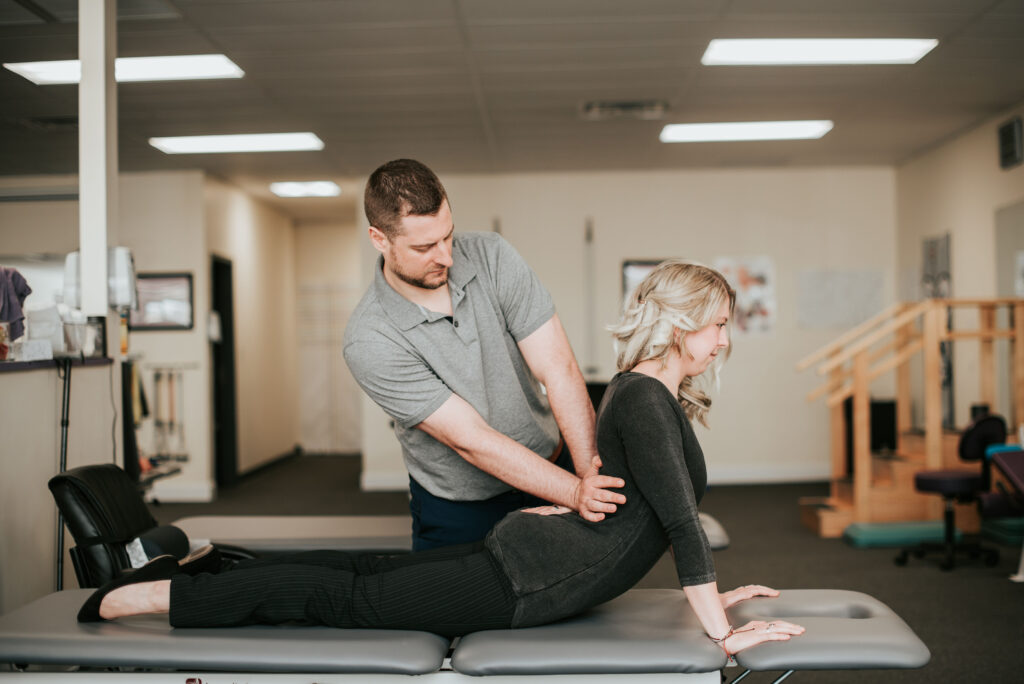
Physical Therapy Myths That Are Holding You Back
Pain that lingers. A knee that never quite feels right. A shoulder that’s been “almost fine” for months. For many people in Bucks and Montgomery Counties, the path to relief runs directly through physical therapy — yet a handful of persistent misconceptions keep them from ever making that first appointment. Understanding why people avoid physical therapy is the first step toward making a better-informed decision about your health.
Why People Avoid Physical Therapy: The Most Common Misconceptions
From assuming you need a referral to believing PT is just glorified exercise, physical therapy misconceptions are surprisingly common — and surprisingly persistent. These are the ones we hear most often at CORE 3, and what the reality actually looks like.
“I Need a Doctor’s Referral First”
This is one of the most common reasons people delay physical therapy — and one of the easiest to clear up. If you live in Pennsylvania, you do not need a physician’s referral to begin physical therapy. Pennsylvania is a Direct Access state, which means you can schedule an appointment with a licensed physical therapist and start treatment without waiting for a doctor to send you first.
That distinction matters more than it might seem. Waiting for a referral can mean weeks of unnecessary pain, limited mobility, or a condition that becomes harder to treat the longer it goes unaddressed. Direct Access removes that barrier entirely.
At CORE 3 Physical Therapy, patients come to us directly every day — no referral, no waiting room detours, no delays. You identify the problem, you call us, and we get to work. If there is something during your evaluation that requires a physician’s input, our team will communicate that clearly and help coordinate your care. But in most cases, physical therapy without a referral is not just possible in PA — it is the straightforward, efficient path forward.
“Physical Therapy Is Just Exercise”
If your mental image of physical therapy is someone counting reps while you do squats, it’s worth adjusting that picture. Exercise is one component of physical therapy — but it’s far from the whole story.
When you come to CORE 3, your first appointment isn’t a workout. It’s a thorough clinical evaluation conducted by a Doctor of Physical Therapy who is assessing your movement patterns, strength, range of motion, pain triggers, and functional limitations. From that assessment, your therapist builds a customized care plan designed specifically around your condition, your goals, and your daily life.
That plan may include therapeutic manual techniques, dry needling, ultrasound therapy, electrical stimulation, moist heat, ice therapy, or targeted neuromuscular re-education — alongside exercise. At CORE 3, you work one-on-one with your Doctor of PT throughout every session, not handed off to an aide or left to figure out a machine on your own. The difference between physical therapy and a gym session is the same difference between a tailored treatment plan and a general fitness routine — one is built for your specific body and what it needs to recover.
“It’s Going to Be Painful”
This one is understandable. If you’re already dealing with pain, the idea of someone moving, stretching, or applying pressure to the affected area can feel counterintuitive. But the assumption that physical therapy means pushing through more pain is one of the most persistent physical therapy misconceptions out there — and it keeps a lot of people from getting help they genuinely need.
A skilled physical therapist works within your current tolerance, not against it. Your first visit at CORE 3 is focused on understanding your body — where the pain is, what triggers it, what movements feel limited, and what your baseline looks like. Treatment is progressive, meaning it builds gradually as your body responds and adapts. Discomfort during certain techniques is normal and expected at times, but pain that worsens or feels wrong is always a signal your therapist takes seriously and adjusts for.
The goal at CORE 3 has always been straightforward: you should feel better on your first visit. That doesn’t mean pain-free overnight — recovery is a process — but it does mean you leave your first appointment with a clearer picture of what’s happening, a plan to address it, and real confidence that you’re moving in the right direction.
“Physical Therapy Is Only for Serious Injuries”
It’s easy to assume physical therapy is reserved for post-surgical recovery or major trauma — a torn ACL, a spinal injury, a serious accident. And while PT is absolutely essential in those situations, limiting it to that category leaves out a significant portion of who physical therapy is actually designed to help.
According to the Burden of Musculoskeletal Diseases in the United States, musculoskeletal conditions — including chronic pain, joint stiffness, and movement limitations — affect nearly 1 in 2 adults in the United States, many of whom would benefit from physical therapy long before their condition reaches a critical point. Preventive and early-intervention PT can address issues while they are still manageable, reducing the likelihood of surgery, long-term medication dependence, or worsening function over time.
At CORE 3, we treat patients across the full spectrum of need — from newborns with developmental movement concerns to geriatric patients managing age-related changes in balance and mobility. Chronic pain, postural issues, sports performance, pelvic floor dysfunction, workplace injuries, and general wellness all fall within the scope of what our board-certified specialists address every day. You do not need to be in a crisis to benefit from physical therapy. In many cases, the patients who see the most meaningful long-term outcomes are the ones who came in early.
“It Takes Too Long to See Results”
Time is a real concern. Between work, family, and everything else pulling at your schedule, committing to a treatment plan can feel like one more thing you don’t have room for. And if results feel uncertain or distant, it’s easy to put it off indefinitely.
The reality is that how quickly you see progress depends on several factors — the nature of your condition, how long it’s been present, your overall health, and how consistently you engage with your plan. There is no honest way to promise a specific timeline, and any clinic that does should raise a flag. What we can tell you is that the quality of your care directly influences how efficiently you move through recovery.
At CORE 3, every patient works directly with a board-certified specialist — a credential that fewer than 20% of physical therapists nationwide obtain. That level of clinical expertise means your evaluation is precise, your treatment plan is targeted, and adjustments are made based on how your body is actually responding rather than a generic protocol. One-on-one care with a Doctor of PT at every session also means nothing gets missed and no time is wasted. For many patients across Bucks and Montgomery Counties, that difference in care quality translates directly into a more efficient path to feeling better.
What to Expect at CORE 3 Physical Therapy
Choosing the right clinic matters. Physical therapy is only as effective as the quality of care behind it, and not all practices are structured the same way.
CORE 3 Physical Therapy is a privately owned clinic serving Bucks and Montgomery Counties since 2015. That means you get individualized attention and a treatment plan built around your specific needs — not a protocol designed for volume. At larger PT chains, it’s common to rotate between aides, share session time with multiple patients, or follow a one-size-fits-all program. At CORE 3, every session is one-on-one with your Doctor of Physical Therapy, from your first evaluation through your last visit.
Our therapists hold board-certified specialist certifications — an advanced credential that fewer than 20% of physical therapists nationwide obtain. That expertise shapes everything from how your condition is assessed to how your plan evolves as you progress. We treat patients of all ages, from newborns through geriatrics, across a wide range of conditions including orthopedic injuries, chronic pain, sports rehabilitation, pelvic floor dysfunction, post-surgical recovery, and balance and mobility issues.
Pennsylvania’s Direct Access law means you can schedule directly with our team without a physician referral — no extra steps, no unnecessary delays. If your evaluation reveals something that requires coordination with your doctor, we handle that communication as part of your care. Otherwise, you call, you come in, and we get to work.
All five CORE 3 locations also offer Telehealth appointments via Doxy.me for eligible patients throughout Pennsylvania, giving you flexibility when in-person visits aren’t possible.
Questions We Hear Every Day
Is Physical Therapy Covered by Insurance in PA?
Most major insurance plans cover physical therapy, including many Medicare and Medicaid plans. Coverage details — including copays, visit limits, and authorization requirements — vary by plan. The best way to confirm your specific benefits is to call your insurance provider directly or reach out to our team and we can help guide you through the process.
How Long Does a Typical PT Session Last?
Most physical therapy sessions at CORE 3 run between 45 and 60 minutes. Your initial evaluation may take slightly longer as your therapist conducts a thorough assessment and builds your care plan. From there, session length is structured around what your treatment plan requires — not a arbitrary time slot.
Can I Do Physical Therapy While Still in Pain?
Yes — and in most cases, that is exactly the right time to start. Physical therapy is designed to work with your current condition, not wait for it to resolve on its own. Your therapist will assess your pain levels, identify what is driving them, and build a plan that addresses the root cause while working within your current tolerance. Waiting for pain to go away on its own often allows the underlying issue to progress.
What’s the Difference Between Physical Therapy and a Chiropractor?
Both disciplines address musculoskeletal pain and movement, but the approach differs significantly. Chiropractic care focuses primarily on spinal manipulation and joint adjustments. Physical therapy takes a broader clinical approach — evaluating the full picture of how your body moves, identifying contributing factors, and using a range of treatments including manual therapy, therapeutic exercise, neuromuscular re-education, and modalities like ultrasound and electrical stimulation to address the root cause and build long-term function.
How Do I Know If I Need Physical Therapy?
If you are dealing with persistent pain, limited range of motion, recurring injuries, post-surgical recovery, balance issues, or a condition that is affecting your ability to move and function the way you want to — physical therapy is worth exploring. Because Pennsylvania is a Direct Access state, you don’t need a referral to find out. You can schedule directly with a CORE 3 specialist, get a thorough evaluation, and have a clear answer based on clinical assessment rather than guesswork.
Start Your Recovery at CORE 3 Physical Therapy
If this article has cleared up any hesitation about physical therapy, that’s a good starting point — but clarity only goes so far without action. The misconceptions that keep people away from PT are understandable, but they shouldn’t be the reason you continue managing pain, limited mobility, or a condition that has the potential to get worse over time.
Our team at CORE 3 Physical Therapy is made up of board-certified specialists who provide one-on-one care tailored to your specific situation. You don’t need a referral to get started — Pennsylvania’s Direct Access law means you can schedule directly at any of our locations across Bucks and Montgomery Counties and begin your evaluation without any additional steps.
If you have any questions, you can contact us through our Contact page.
Find the clinic nearest to you and take the first step toward feeling better.
Location | Address | Phone |
CORE 3 Hatfield | 267-308-5330 | |
CORE 3 Chalfont | 215-789-6543 | |
CORE 3 East Norriton | 267-534-7614 | |
CORE 3 Limerick | 484-938-5403 | |
CORE 3 Warrington | 267-748-2081 |
Disclaimer: The information provided in this article is for general informational purposes only and does not constitute medical advice. Physical therapy treatment plans, techniques, and outcomes vary by individual, condition, and clinical presentation. The exercises and information described here are intended as general education and are not a substitute for evaluation and treatment by a licensed physical therapist. If you are experiencing pain, injury, or any medical condition, consult with a licensed healthcare provider before beginning any exercise or treatment program.
